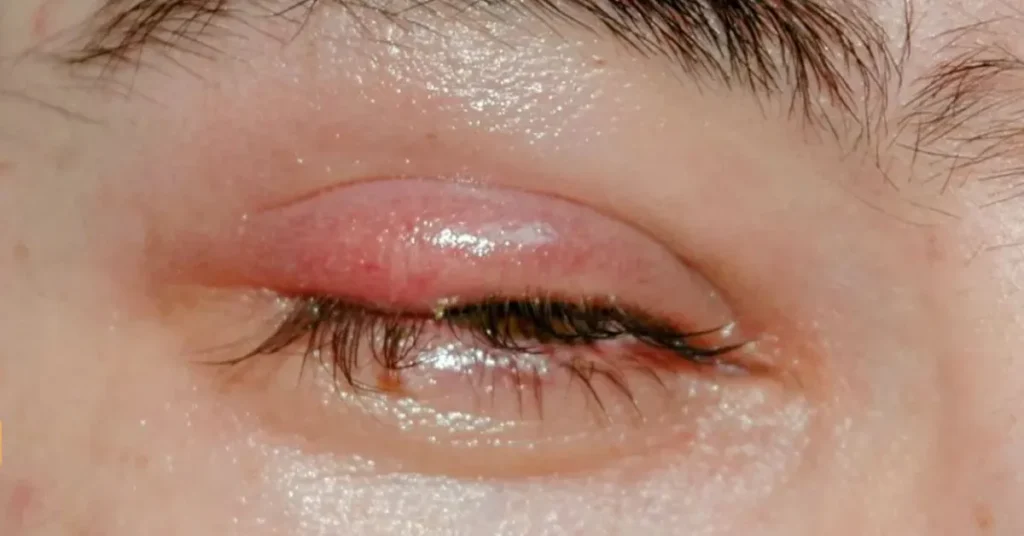
A stye, medically known as a hordeolum, is a common eyelid infection that can cause discomfort, swelling, and redness.
Many people experience them at least once in their lifetime, but not everyone can easily identify one.
Recognizing a stye early is important because it helps you manage the condition effectively and avoid potential complications.
Typically appearing as a small, painful bump near the edge of the eyelid, a stye often resembles a pimple or boil and may contain a yellow or white pus-filled center.
While they are generally harmless, styes can be irritating and affect your daily activities, especially if located on the upper eyelid.
Understanding what a stye looks like, along with its symptoms, causes, and treatment options, can empower you to take proper care of your eyes.
In this guide, we will explore everything you need to know to identify and manage a stye confidently.
What a Stye Looks Like
A stye is most easily recognized by its distinct appearance on the eyelid. Typically, it presents as a small, red bump that can be tender or painful to touch. The bump often develops near the edge of the eyelid, where the eyelashes grow, although it can sometimes appear on the inner surface of the eyelid as well. External styes usually look like tiny pimples with a white or yellow pus-filled tip, while internal styes, which form deeper inside the eyelid, may cause more swelling and discomfort without an obvious visible center.
In addition to the bump itself, a stye may cause the surrounding eyelid tissue to become swollen, red, and inflamed. The eyelid can feel heavy, and in some cases, the affected eye may water more than usual. Crusting along the eyelid margin or eyelash roots is another common visual cue, especially in the morning.
Styes are usually small—about the size of a pea—but the swelling around them can make the eyelid appear larger than it actually is. They are often painful, particularly when blinking or rubbing the eye. While styes are usually isolated, sometimes multiple styes can occur simultaneously, creating a more noticeable cluster.
Recognizing a stye early is key, as it helps differentiate it from other eyelid conditions like chalazion, cysts, or allergic reactions. By paying attention to these visual signs—redness, swelling, and a pus-filled tip—you can identify a stye and take the appropriate steps to treat and prevent it.
Symptoms of a Stye
Recognizing a stye isn’t just about identifying the visible bump—it also involves understanding the symptoms that accompany it. The most common symptom is pain or tenderness in the affected area. Even a gentle touch or blinking can cause discomfort. Alongside pain, swelling and redness of the eyelid are typical, making the affected eye look puffier than usual.
A stye may also produce a small yellow or white pus-filled center, which is often the first sign that the bump is a bacterial infection rather than a harmless irritation. In addition, many people notice increased tearing or watery eyes due to irritation. Some styes cause the eyelid to feel itchy or sore, making it tempting to rub the eye—though this can worsen the infection.
Other noticeable signs include crusting along the eyelid edges or eyelashes, particularly after sleep. This is caused by dried discharge from the stye. In certain cases, the eyelid may feel heavy, and blinking can be uncomfortable. Though less common, some people experience mild blurred vision if the swelling presses on the eye.
Styes can develop suddenly and typically worsen over a day or two before gradually improving. While most styes are isolated and resolve within a week or two, recurring or particularly large styes may indicate an underlying issue such as blepharitis or immune system weakness. Recognizing these symptoms early allows for proper home care or medical treatment, helping prevent complications and ensuring faster healing.
Types of Styes
Styes can appear in different forms depending on their location on or inside the eyelid. Understanding the type of stye can help determine the best approach for treatment and care. There are two main types: external styes and internal styes.
External styes are the most common. They form on the outer edge of the eyelid, usually near the base of an eyelash. These styes occur when bacteria infect an eyelash follicle or the oil glands along the eyelid margin. Externally, they appear as small, red, and painful bumps with a visible white or yellow pus-filled tip. Swelling and tenderness are common, and they may cause mild irritation while blinking. External styes often resolve on their own within a few days to a week with proper care.
Internal styes develop deeper inside the eyelid, affecting the meibomian glands. These are less visible initially but can cause significant swelling, redness, and discomfort. Unlike external styes, internal styes may not have a visible white tip, making them harder to identify. They can create a firmer, larger lump and sometimes press against the eye, causing blurred vision or increased discomfort. Internal styes tend to take longer to heal and occasionally require medical intervention if they do not improve with home care.
Both types share similar causes, including bacterial infection, poor eyelid hygiene, and stress, but the location and severity differ. Knowing whether a stye is external or internal can guide effective treatment and help prevent further irritation or complications.
Causes and Risk Factors
Styes develop when the oil glands or hair follicles along the eyelid become infected, usually by bacteria such as Staphylococcus aureus. These infections trigger redness, swelling, and the formation of a painful bump. While anyone can develop a stye, certain behaviors and conditions increase the likelihood.
One of the main causes is poor eyelid hygiene. Failing to clean the eyelids regularly or touching the eyes with unwashed hands can transfer bacteria directly to the sensitive eyelid area. Using expired or contaminated eye makeup and not removing makeup before sleeping can also block oil glands, creating an environment where bacteria thrive.
Stress and hormonal changes are additional factors that can make the eyelids more susceptible to infection. People who rub their eyes frequently or wear contact lenses without proper cleaning are at higher risk as well. Chronic conditions like blepharitis, which causes eyelid inflammation, or diabetes, which affects immunity, can also make styes more likely to appear.
Environmental factors, such as dust, pollution, or allergens, can irritate the eyelid and trigger stye formation. Finally, recurring styes can indicate underlying health issues or repeated bacterial exposure. Recognizing these causes and risk factors is important not only for treating a stye but also for preventing future occurrences. Maintaining proper eyelid hygiene, handling makeup and contacts safely, and managing stress can significantly reduce the risk of developing styes.
Complications and When to See a Doctor
While most styes are harmless and resolve on their own, certain situations require medical attention to prevent complications. A stye can become problematic if it persists for more than a week, continues to enlarge, or causes significant pain. Ignoring a stye can sometimes lead to the infection spreading to other parts of the eyelid or even deeper into the eye, which may result in a condition called preseptal or orbital cellulitis, a serious bacterial infection that requires prompt treatment.
Recurring styes are another sign that medical evaluation is necessary. Multiple styes in a short period may indicate an underlying condition such as blepharitis, diabetes, or a weakened immune system. Additionally, if a stye affects vision by pressing on the eye or causing excessive swelling, it’s important to see a healthcare professional.
Other warning signs include fever, extreme redness spreading beyond the eyelid, severe pain, or discharge that doesn’t improve with home care. In these cases, a doctor may prescribe antibiotic ointments, oral antibiotics, or in rare cases, perform a minor procedure to drain the stye safely.
It’s also essential to differentiate a stye from other eyelid conditions. Large, painless lumps could be a chalazion, while allergic reactions or cysts require different treatments. Seeking professional advice ensures proper diagnosis and care, preventing unnecessary discomfort and reducing the risk of long-term eyelid complications.
Recognizing when a stye is more than a minor irritation is crucial for maintaining eye health and avoiding more serious infections.
Treatment Options
Most styes heal on their own within a week or two, but proper care can speed up recovery and reduce discomfort. Home remedies are often the first line of treatment. Applying a warm compress for 10–15 minutes, three to four times a day, helps to soften the stye, promote drainage, and relieve pain. Gently massaging the eyelid with clean hands can also encourage the pus to drain naturally. It’s important not to squeeze or pop the stye, as this can spread the infection and worsen inflammation.
Maintaining eyelid hygiene is crucial during this period. Cleaning the eyelid with mild soap or specialized eyelid wipes helps remove bacteria and prevents further irritation. Avoid wearing eye makeup or contact lenses until the stye has fully healed to reduce the risk of re-infection.
If a stye does not improve with home care, or if it becomes particularly large or painful, medical treatments may be necessary. Doctors may prescribe antibiotic ointments or eye drops to treat the bacterial infection. In rare cases, especially with large internal styes, a minor incision and drainage procedure may be performed to remove the pus safely.
Pain relief can also be managed with over-the-counter medications like acetaminophen or ibuprofen. With proper care, most styes resolve without lasting effects. However, combining early treatment, good hygiene, and careful observation ensures faster healing, reduces discomfort, and helps prevent future styes.
Prevention Tips
Preventing styes is often easier than treating them, and adopting a few simple habits can significantly reduce the risk of developing them. Maintaining proper eyelid hygiene is one of the most effective measures. Regularly washing your hands before touching your eyes, gently cleaning your eyelids with mild soap or specialized eyelid wipes, and removing makeup before bed can help keep bacteria at bay.
Be mindful of eye makeup and cosmetics. Avoid using expired products, and never share eye makeup with others. Brushes and applicators should be cleaned regularly to prevent bacterial buildup. Similarly, contact lens users should follow proper hygiene practices, including washing hands before handling lenses and disinfecting lenses as recommended.
Avoid rubbing or touching your eyes unnecessarily, as this can transfer bacteria from your hands to the sensitive eyelid area. Stress management, proper sleep, and a healthy diet can also strengthen your immune system, reducing susceptibility to infections.
For those prone to recurrent styes, adding a warm compress routine once or twice a week may help keep the eyelid oil glands clear, preventing blockages that lead to stye formation. People with chronic conditions like blepharitis or diabetes should work with their healthcare provider to manage these issues, as they increase the likelihood of styes.
By following these prevention strategies—good hygiene, careful makeup and contact lens habits, avoiding eye rubbing, and maintaining overall health—you can greatly reduce the chances of developing a stye while promoting healthier eyes overall.
How to Differentiate a Stye from Other Eyelid Conditions
While styes are common, it’s important to distinguish them from other eyelid conditions that may appear similar but require different care. One of the most frequently confused conditions is a chalazion. Unlike a stye, a chalazion is typically painless, develops slowly, and forms a firm lump inside the eyelid. Chalazions are caused by blocked oil glands rather than bacterial infection, which is why they usually do not have redness or pus.
Another condition that can resemble a stye is an eyelid cyst. Cysts are generally smooth, round, and painless, with no visible pus. They may persist for weeks or months without causing significant discomfort. Unlike styes, cysts rarely respond to warm compresses or antibiotic treatments and may require minor medical procedures if they grow large.
Allergic reactions or irritations can also cause eyelid swelling and redness but differ in appearance and symptoms. Swelling from allergies is often bilateral (affecting both eyes), accompanied by itching, watery eyes, and no pus-filled bump.
A helpful way to differentiate these conditions is to focus on pain, speed of onset, and the presence of pus. Styes are usually painful, appear suddenly, and may have a white or yellow tip. Chalazions and cysts are slower-growing, painless, and do not contain pus, while allergic reactions involve widespread redness and itching rather than a single localized bump.
Understanding these distinctions ensures proper treatment, prevents unnecessary interventions, and helps maintain overall eye health. When in doubt, consulting an eye care professional is always recommended.
FAQs: What Does a Stye Look Like
1. What does a stye look like on the eyelid?
A stye usually appears as a small, red, tender bump near the edge of the eyelid, often with a white or yellow pus-filled tip. Swelling, redness, and irritation around the eyelid are common.
2. How can I tell the difference between a stye and a chalazion?
A stye is typically painful, appears suddenly, and may have pus. A chalazion is usually painless, grows slowly, and forms a firm lump inside the eyelid without redness or pus.
3. Are styes contagious?
Styes are caused by bacterial infection, usually Staphylococcus aureus, but they are not highly contagious. Avoid sharing towels or touching others’ eyes to reduce risk.
4. How long does a stye take to heal?
Most styes heal naturally within 7 to 10 days. Applying warm compresses and maintaining eyelid hygiene can speed up recovery.
5. Can a stye affect vision?
Usually, styes do not affect vision. However, larger internal styes may press on the eye and cause temporary blurred vision. Persistent vision problems should be evaluated by a doctor.
6. When should I see a doctor for a stye?
Seek medical attention if a stye lasts longer than a week, recurs frequently, causes severe pain, spreads redness beyond the eyelid, or affects your vision.
7. How can I prevent styes?
Maintain good eyelid hygiene, remove makeup before bed, clean contact lenses properly, avoid rubbing your eyes, and manage stress to reduce the risk of styes.
Conclusion
A stye is a common and often painful eyelid condition that can affect anyone, but recognizing it early can make a significant difference in managing symptoms and preventing complications.
Visually, a stye typically appears as a small, red bump near the eyelid margin, sometimes with a white or yellow pus-filled tip.
It can cause swelling, tenderness, and irritation, making blinking uncomfortable.
While most styes are harmless and resolve on their own, understanding the symptoms, types, and causes is essential for proper care.
There are two main types of styes: external styes, which form near the eyelash follicle, and internal styes, which develop deeper inside the eyelid.
Both types result from bacterial infection, poor hygiene, stress, or blocked oil glands.
Although styes usually heal naturally, persistent, recurrent, or unusually large styes may require medical attention, including antibiotic treatment or minor drainage procedures.
Prevention is equally important. Maintaining good eyelid hygiene, avoiding eye rubbing, managing stress, and practicing safe contact lens and makeup habits can greatly reduce the risk of developing styes.
Additionally, distinguishing styes from similar conditions, such as chalazions, cysts, or allergic reactions, ensures proper treatment and avoids unnecessary complications.
In summary, recognizing what a stye looks like, understanding its symptoms and causes, and taking preventive measures can help manage this common eye condition effectively.
With the right care and attention, most styes resolve quickly, leaving your eyes healthy and comfortable.
Early identification and proper treatment are the keys to preventing discomfort and promoting eye health.

Jordon Fox is an emerging artist and creative from Philadelphia, Pennsylvania, known for blending music, fashion, and fitness into his personal brand and artistic identity. He’s built a reputation as a multi-talented creator with a strong focus on authenticity and inspiring others.