Have you ever noticed a small, often bright-colored box mounted on a wall in airports, gyms, or offices labeled AED, and wondered what it does?
AED stands for Automated External Defibrillator, a device designed to save lives during sudden cardiac arrest.
Every year, thousands of people suffer from heart-related emergencies, and immediate intervention can make the difference between life and death.
An AED is not just a medical tool it’s a lifeline that can be used safely by ordinary people with little or no medical training.
Understanding what an AED is, how it works, and where to find it could empower you to act quickly in a critical moment.
In this article, we will explore the meaning of AED, its functions, its importance in public safety, and practical tips on how anyone can use it to help save a life.
What Does AED Stand For?
AED stands for Automated External Defibrillator, a portable medical device designed to help people experiencing sudden cardiac arrest (SCA). Breaking down the acronym helps to understand its purpose:
- Automated – The device is designed to guide the user automatically. It analyzes the heart’s rhythm and determines whether a shock is needed, removing the guesswork that might intimidate someone in an emergency.
- External – The device works on the outside of the body, using electrode pads placed on the chest, which deliver the shock to the heart without invasive procedures.
- Defibrillator – Its main function is to restore a normal heart rhythm by sending an electric pulse or shock to the heart when it detects life-threatening arrhythmias like ventricular fibrillation or ventricular tachycardia.
In simpler terms, an AED is a life-saving device that anyone can use to restart the heart or correct abnormal rhythms during a cardiac emergency. Unlike other medical equipment, it’s designed for laypeople, meaning you don’t have to be a doctor, nurse, or first responder to operate it safely. Most AEDs come with voice instructions and visual prompts, making them extremely user-friendly.
The importance of AEDs cannot be overstated. When someone suffers sudden cardiac arrest, every minute without defibrillation reduces the chance of survival by about 10%. Having quick access to an AED and knowing how to use it can literally save a life, which is why public spaces around the world are increasingly equipped with these devices.
How Does an AED Work?
An AED, or Automated External Defibrillator, is designed to be simple and safe, even for people without medical training. Its primary purpose is to restore a normal heart rhythm during sudden cardiac arrest, which occurs when the heart stops beating effectively. The device works in several straightforward steps:
- Power On the Device – Modern AEDs are often battery-operated and start with a single button press. Some devices even turn on automatically when opened. Voice prompts guide the user through the process.
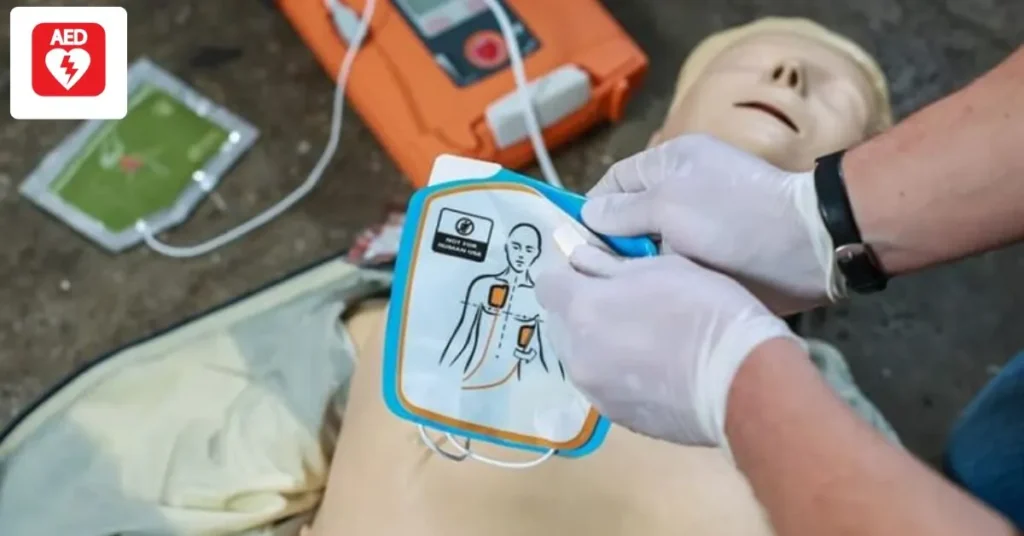
- Attach Electrode Pads – The AED comes with adhesive pads that must be placed on the patient’s bare chest. Correct placement is usually indicated on the pads themselves, making it easy to follow.
- Analyze Heart Rhythm – Once the pads are in place, the AED automatically checks the heart’s electrical activity. It determines whether a shock is necessary to correct life-threatening arrhythmias like ventricular fibrillation.
- Deliver the Shock (if needed) – If the AED detects an abnormal rhythm, it instructs the user to ensure no one is touching the patient and delivers an electric shock to reset the heart. Some AEDs are fully automatic, while others require the user to press a button.
- Follow Additional Prompts – After the shock, the AED continues to guide the user. It may advise starting CPR, monitoring the patient, or preparing for another shock if necessary.
The simplicity of AEDs makes them powerful life-saving tools. By following the device’s instructions carefully, anyone can provide immediate help and dramatically improve the victim’s chance of survival until professional medical help arrives.
Why AEDs Are Important
Sudden cardiac arrest (SCA) is one of the leading causes of death worldwide, affecting hundreds of thousands of people each year. In these situations, every second counts. The human heart can stop beating effectively in an instant, and without immediate intervention, the chances of survival drop dramatically by about 10% for every minute without defibrillation. This is where an AED (Automated External Defibrillator) becomes crucial.
AEDs are designed to provide immediate life-saving intervention before emergency medical services arrive. Unlike traditional medical equipment, AEDs are portable, easy to use, and safe for laypeople. With clear voice instructions and visual prompts, even someone with no medical background can operate the device confidently. This accessibility makes AEDs invaluable in public spaces, offices, schools, gyms, and airports.
Early defibrillation significantly improves survival rates. Studies show that if an AED is used within the first 3–5 minutes of cardiac arrest, the chance of survival can be as high as 50–70%, compared to only 5–10% when defibrillation is delayed.
Beyond saving lives, AEDs also promote awareness about heart health and emergency preparedness. They empower individuals to act quickly in critical moments, bridging the gap until professional help arrives. In essence, an AED is more than a device it is a lifeline, providing hope and a second chance when seconds truly matter.
Types of AEDs
Not all AEDs are the same. Understanding the different types of AEDs can help you know which device is best suited for various environments, from homes and offices to public spaces and ambulances.
- Fully Automated AEDs – These devices are designed to do almost everything on their own. Once the electrode pads are attached, the AED analyzes the heart rhythm and delivers a shock automatically if needed. Users don’t need to press any buttons to deliver the shock, making it ideal for people who may feel nervous during an emergency.
- Semi-Automated AEDs – Semi-automated AEDs require the user to press a button to deliver the shock after the device analyzes the heart rhythm. While they still provide voice prompts and step-by-step instructions, this type gives the user a sense of control while ensuring safety. Semi-automated AEDs are common in workplaces and schools.
- Public-Access AEDs – These devices are specifically installed in public spaces like airports, malls, gyms, and stadiums. They are designed to be extremely user-friendly so that anyone, regardless of training, can operate them in an emergency. Public-access AEDs often include features like clear signage, pediatric modes for children, and connectivity to alert emergency services.
Some AEDs also come with special features, such as real-time CPR feedback, voice guidance in multiple languages, or data storage for medical responders. Knowing the types of AEDs ensures that communities and workplaces can choose the right device for maximum safety and accessibility.
Where AEDs Are Found
AEDs are becoming increasingly common in public and private spaces because rapid access is critical during sudden cardiac arrest. These devices are strategically placed where large groups of people gather or where emergencies are more likely to occur.
Public Spaces: Airports, shopping malls, stadiums, and train stations often have AEDs installed in easily visible locations. Clear signage, sometimes accompanied by wall-mounted boxes or cabinets, ensures that anyone can find and use the device quickly.
Workplaces: Offices, factories, and corporate buildings are also equipping themselves with AEDs to protect employees. Many organizations combine AED installation with CPR training to ensure staff are prepared for emergencies.
Schools and Universities: Educational institutions recognize the importance of AEDs in protecting students, staff, and visitors. From athletic fields to cafeterias, having AEDs nearby can save lives during sports-related or medical emergencies.
Fitness Centers and Gyms: Exercise puts temporary stress on the heart, increasing the risk of sudden cardiac events. Gyms and fitness centers often keep AEDs on-site, sometimes near cardio areas, to respond immediately if someone collapses.
Emergency Vehicles: Many ambulances, fire trucks, and police vehicles carry AEDs to provide life-saving intervention before reaching a hospital.
Visibility and Accessibility Matter: It’s not enough to have an AED; it must be easy to locate. Signs, maps, or apps that indicate AED locations can make a critical difference. Quick access and awareness can mean the difference between life and death, highlighting why knowing where AEDs are found is as important as knowing how to use them.
Who Can Use an AED
One of the most important features of an AED (Automated External Defibrillator) is that it can be used by almost anyone, regardless of medical training. AEDs are specifically designed for laypeople, making it possible for ordinary individuals to provide life-saving assistance during sudden cardiac arrest.
Modern AEDs include voice prompts, visual instructions, and safety mechanisms, ensuring that users are guided step by step. The device automatically analyzes the heart’s rhythm and only delivers a shock if it is necessary, preventing accidental shocks and ensuring safe use. This design makes AEDs accessible even in high-stress situations where every second counts.
First responders like paramedics, firefighters, and police officers are trained to use AEDs as part of their emergency toolkit. However, the growing trend of public-access AEDs means that anyone in the vicinity can intervene before professional help arrives. Combining AED use with CPR is especially effective, as chest compressions help maintain blood flow until defibrillation occurs.
Legal protections also support public use. Many countries have Good Samaritan laws that protect individuals from legal liability when using an AED in good faith to help someone in need.
In short, AEDs empower communities to act in emergencies. Knowing how to use an AED, even minimally, can save lives. The message is clear: you don’t have to be a medical professional to make a difference just be ready, stay calm, and follow the AED’s instructions.
AED Maintenance and Safety
Owning or having access to an AED is only part of ensuring it can save a life regular maintenance and safety checks are essential. AEDs are designed to be reliable in emergencies, but like any electronic device, they require periodic care to function correctly.
Regular Checks: Most AEDs have built-in self-tests that alert users when the device needs attention, such as a low battery or expired electrode pads. It’s recommended to check the AED weekly or monthly to confirm it’s operational and fully charged.
Electrode Pads: These adhesive pads have expiration dates and must be replaced once they expire or after use. Proper pad placement during an emergency is crucial, so keeping pads fresh and ready is a safety priority. Some AEDs also have pediatric pads for children, which should be checked separately.
Battery Maintenance: Batteries typically last several years, but they should be replaced according to manufacturer instructions. Carrying spare batteries in facilities with AEDs ensures no delay during emergencies.
Safety Precautions:
- Place the AED on a dry surface and keep it away from water.
- Avoid contact with metal surfaces during a shock.
- Never touch the patient when the AED is delivering a shock.
Accessibility: The device should be mounted in a visible, easy-to-reach location. Emergency responders and bystanders should be able to locate it quickly.
By following these maintenance tips and safety guidelines, an AED remains reliable, safe, and ready to save lives whenever a sudden cardiac arrest occurs.
Training and Education
While AEDs are designed to be user-friendly, training and education significantly increase their effectiveness in emergencies. Understanding how to operate the device and combining it with CPR skills can dramatically improve survival rates for someone experiencing sudden cardiac arrest.
Many organizations, including the American Heart Association (AHA) and the Red Cross, offer CPR and AED training courses. These courses teach participants how to recognize cardiac arrest, perform effective chest compressions, and use an AED confidently. Hands-on practice with real or training AED devices helps reduce hesitation and builds confidence for real-life situations.
Workplace and community programs increasingly encourage AED training for employees, volunteers, and the general public. Schools, gyms, offices, and community centers often host workshops to familiarize people with AED locations, operation, and emergency response procedures.
Even brief training can make a life-saving difference. Participants learn to remain calm under pressure, follow AED voice prompts, and provide CPR effectively while waiting for emergency responders to arrive. Combining AED use with CPR can double or triple survival chances in critical moments.
Public awareness campaigns also promote knowledge about AED locations and encourage individuals to take proactive steps, such as mapping nearby AEDs and educating friends and family. By investing a few hours in training, anyone can become a capable responder, turning an ordinary bystander into a potential lifesaver.
Misconceptions About AEDs
Despite their life-saving potential, AEDs (Automated External Defibrillators) are often misunderstood. These misconceptions can prevent people from using them in critical moments. Addressing these myths is key to promoting awareness and confidence in AED use.
1. “Only medical professionals can use AEDs.”
This is false. AEDs are specifically designed for laypeople. With voice prompts, visual guides, and automatic shock delivery, anyone even without medical training can operate an AED safely.
2. “Using an AED is dangerous.”
Many worry about harming the patient. In reality, the device only delivers a shock if it detects a life-threatening heart rhythm. Following the AED’s instructions ensures safe and controlled use.
3. “AEDs are hard to operate.”
Modern AEDs are extremely user-friendly. Steps are simplified into powering on, attaching pads, and following voice instructions. The device does the complex analysis automatically, so the user doesn’t need medical expertise.
4. “AEDs can be used on anyone without caution.”
While safe, there are guidelines: avoid water, metal surfaces, and direct contact during a shock. Pediatric pads should be used for children under a certain age or weight.
5. “AEDs are rare and inaccessible.”
Public awareness and accessibility have grown tremendously. Airports, schools, gyms, offices, and emergency vehicles are increasingly equipped with AEDs for easy access.
Understanding the truth about AEDs removes hesitation, promotes action, and empowers people to respond confidently during emergencies. Dispelling these misconceptions can literally save lives, turning fear into effective intervention.
Real-Life Stories / Case Studies
Nothing highlights the importance of AEDs better than real-life examples. Across the world, countless lives have been saved thanks to quick access to these life-saving devices.
One notable case involved a teenager playing basketball who suddenly collapsed on the court due to sudden cardiac arrest. Fortunately, a nearby AED was available, and a coach quickly followed the device’s voice instructions. Within minutes, the AED delivered a shock, restoring the teenager’s heartbeat until paramedics arrived. The teenager made a full recovery, highlighting how rapid AED use can make the difference between life and death.
In another instance, an office worker in a corporate building suffered cardiac arrest during a meeting. Colleagues immediately retrieved the building’s AED and followed the step-by-step instructions. The combination of CPR and AED use kept the person alive until emergency responders arrived. This case demonstrates that AEDs are not limited to medical settings they are equally crucial in workplaces and public spaces.
Statistical data reinforces these stories. Studies show that when an AED is used within the first 3–5 minutes of cardiac arrest, survival rates can exceed 50–70%, compared to only 5–10% without immediate intervention.
These real-life examples underscore the critical role of AEDs in emergencies. They demonstrate that anyone, anywhere, at any time can save a life if an AED is available and used correctly. By increasing awareness, training, and accessibility, communities can transform bystanders into heroes.
Actionable Tips for Readers
Knowing about AEDs is important, but taking practical action can make the difference between life and death. Here are some steps readers can follow to be prepared in case of a cardiac emergency.
1. Locate AEDs in Your Community: Start by identifying where AEDs are installed in your workplace, school, gym, or public spaces. Many facilities display clear signage, but some also offer maps or mobile apps to help locate nearby devices quickly.
2. Take CPR and AED Training: Even a short course can teach you the skills needed to operate an AED confidently. Combining CPR with AED use doubles or triples survival chances during cardiac arrest. Many local organizations and Red Cross chapters offer affordable, hands-on training sessions.
3. Encourage Workplace and Community Preparedness: Advocate for AED availability in offices, schools, and recreational facilities. Encourage your community to host awareness campaigns or training events so more people are ready to respond in emergencies.
4. Maintain Familiarity: Regularly check the AEDs in your environment to ensure they are operational and accessible. Knowing the steps, pad placement, and safety procedures ahead of time can prevent hesitation in a real emergency.
5. Educate Friends and Family: Share your knowledge about AEDs, their locations, and how to use them. Empowering others creates a network of potential lifesavers around you.
By taking these steps, readers can move beyond awareness and become active participants in saving lives. AEDs are powerful tools, but preparation, knowledge, and action are what truly make a difference.
Conclusion
Understanding what AED stands for Automated External Defibrillator is just the first step toward saving lives during sudden cardiac arrest.
AEDs are powerful, portable devices designed to restore a normal heart rhythm when someone’s heart stops effectively.
With clear voice instructions, automatic analysis, and safety features, these devices are accessible to anyone, not just medical professionals.
The importance of AEDs cannot be overstated. Every minute without defibrillation reduces the chance of survival by about 10%, which means having quick access to an AED can be the difference between life and death.
From airports and gyms to schools and offices, AEDs are increasingly available in public spaces, and proper placement, visibility, and maintenance are critical for effectiveness.
Equally important is education and preparedness. CPR and AED training empower individuals to respond confidently in emergencies.
Dispelling misconceptions, understanding device operation, and advocating for AED accessibility can turn bystanders into lifesavers.
Real-life stories show that timely AED use has saved countless lives, proving that preparation and action matter more than fear or hesitation.
In short, AEDs are more than medical devices they are lifelines. Knowing what they are, how they work, and where to find them, combined with training and awareness, equips you to make a life-saving difference.
Whether at home, work, or in public spaces, being ready to use an AED means you could be the person who saves a life when every second counts.

Nikki Jorton is a Norwegian-born transgender woman and content creator who became publicly known through her relationship and marriage to American comedian and radio personality Jim Norton. The two met online and developed a long-distance relationship that faced significant immigration and legal challenges before Nikki was able to move to the United States. Their journey, marked by persistence and openness, attracted media attention for its honesty and unconventional nature. The couple married in October 2023 and now live together in New York City.