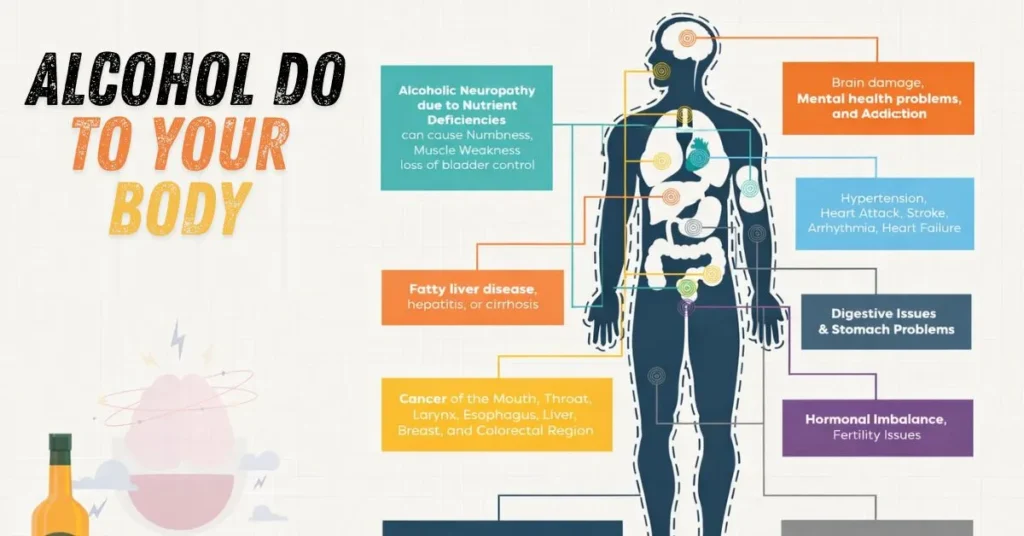
Alcohol is one of the most widely consumed substances in the world, from casual social drinks to regular nightly habits. While many people enjoy it for relaxation or social reasons, few fully understand how alcohol affects the body.
Its impact goes far beyond feeling “tipsy” alcohol touches nearly every organ and system, influencing physical, mental, and emotional health.
Short-term effects may include impaired judgment, slowed reflexes, and mood changes, while long-term consumption can lead to serious complications such as liver disease, heart problems, brain damage, and weakened immunity.
Understanding how alcohol interacts with your body is crucial for making informed health decisions, whether you drink occasionally or regularly.
In this article, we will explore the short-term and long-term effects of alcohol, how it affects different systems like the brain, heart, liver, and digestive tract, and practical tips for safe consumption to protect your health.
How Alcohol Affects the Brain
Alcohol has a profound impact on the brain, affecting both short-term function and long-term health. In the short term, drinking can impair judgment, slow reaction times, and reduce coordination, making even simple tasks like driving or walking potentially dangerous. Many people also experience memory lapses or “blackouts” after consuming large amounts of alcohol in a short period. These effects occur because alcohol disrupts communication between neurons, primarily by altering the balance of neurotransmitters such as GABA and dopamine.
Long-term alcohol consumption can lead to more serious and lasting changes in brain structure and function. Chronic drinking is associated with brain shrinkage, cognitive decline, and memory problems. Research shows that prolonged alcohol use can damage areas responsible for learning, decision-making, and emotional regulation, increasing the risk of mental health disorders such as anxiety and depression.
Alcohol also affects sleep patterns, reducing the quality of REM sleep and leaving the brain less rested and alert. Additionally, heavy drinking can increase the likelihood of neurological conditions like Wernicke-Korsakoff syndrome, caused by thiamine deficiency. Even moderate drinking over many years can subtly impair cognitive function. Understanding these effects highlights why alcohol isn’t just a temporary indulgence it directly influences brain health in both the short and long term.
Alcohol and the Heart
Alcohol affects the heart in both immediate and long-term ways, and understanding these effects is essential for cardiovascular health. In the short term, drinking alcohol can cause a temporary increase in heart rate and blood pressure. Some people may experience irregular heartbeats or palpitations even after moderate consumption. These acute effects are usually mild but can become dangerous for individuals with pre-existing heart conditions.
Long-term alcohol consumption poses more serious risks. Chronic drinking can lead to cardiomyopathy, a condition where the heart muscle weakens and cannot pump blood effectively. This increases the risk of heart failure. Alcohol also contributes to arrhythmias, or irregular heart rhythms, and can raise the likelihood of stroke and high blood pressure over time. While some studies suggest moderate alcohol intake might offer minor cardiovascular benefits, such as slightly increased “good” HDL cholesterol, these benefits are often outweighed by the long-term risks, especially if drinking patterns are inconsistent or excessive.
Alcohol’s impact on the heart is compounded when combined with unhealthy lifestyle habits like poor diet, smoking, or lack of exercise. Even socially moderate drinkers should monitor their intake and consider heart health when choosing to drink. Ultimately, alcohol is not a harmless indulgence for the heart; awareness and moderation are key to reducing cardiovascular risk.
Impact on the Liver
The liver is the primary organ responsible for metabolizing alcohol, making it particularly vulnerable to damage. When alcohol is consumed, the liver breaks it down using enzymes such as alcohol dehydrogenase (ADH) and aldehyde dehydrogenase (ALDH). While the liver can handle small amounts of alcohol, excessive or prolonged drinking overwhelms this process, leading to a buildup of toxic byproducts like acetaldehyde, which can damage liver cells over time.
Short-term effects of alcohol on the liver may include temporary fat accumulation, known as fatty liver, which is reversible with abstinence. However, chronic alcohol consumption can cause more serious conditions. Alcoholic hepatitis is a type of liver inflammation that can result in liver pain, jaundice, and fatigue. Over time, repeated liver injury can progress to cirrhosis, a condition where healthy liver tissue is replaced with scar tissue, severely impairing liver function. In advanced cases, cirrhosis can lead to liver failure, which is life-threatening and may require a transplant.
Alcohol-related liver damage is often silent in the early stages, meaning many people do not realize the harm until significant damage has occurred. Risk factors such as genetics, gender, and overall health can influence how quickly alcohol affects the liver. Avoiding excessive alcohol, eating a balanced diet, and regular medical check-ups are crucial steps to protect liver health. Understanding how alcohol interacts with the liver highlights why this organ is so critical in maintaining overall bodily health.
Digestive System Effects
Alcohol affects the digestive system in several ways, ranging from mild irritation to serious long-term complications. In the short term, drinking alcohol can irritate the lining of the stomach, leading to nausea, heartburn, or acid reflux. Some individuals may experience stomach cramps or vomiting after consuming large amounts of alcohol, as the body attempts to rid itself of the irritant. Alcohol also stimulates the production of stomach acid, which can worsen conditions like gastritis or ulcers.
The pancreas, another critical digestive organ, is also affected. Heavy alcohol use can trigger pancreatitis, an inflammation of the pancreas that causes severe abdominal pain and can disrupt digestion. Over time, chronic pancreatitis can lead to malnutrition, as the pancreas fails to produce sufficient digestive enzymes.
Alcohol interferes with nutrient absorption in the small intestine, particularly vitamins like B1 (thiamine), B12, and folate, as well as minerals such as magnesium and zinc. This can result in deficiencies that affect energy levels, nerve function, and overall health. Additionally, alcohol disrupts the gut microbiome, reducing the population of beneficial bacteria and increasing harmful bacteria, which may contribute to inflammation and digestive disorders.
Even moderate drinking can have subtle effects on digestion, while heavy or chronic use can cause significant, long-lasting damage. Maintaining digestive health while drinking requires moderation, a balanced diet, and awareness of warning signs such as persistent stomach pain or unexplained digestive issues.
Alcohol and the Immune System
Alcohol has a significant impact on the immune system, weakening the body’s ability to fight off infections and recover from illness. Even moderate drinking can temporarily suppress immune responses, while chronic alcohol consumption can lead to long-term immune system dysfunction. This makes the body more susceptible to common infections such as colds, flu, and pneumonia.
One of the ways alcohol affects immunity is by impairing the function of white blood cells, which are responsible for identifying and destroying harmful pathogens. Alcohol also reduces the effectiveness of cytokines, signaling molecules that help coordinate the body’s immune response. As a result, the body becomes less capable of responding to infections quickly and efficiently.
Chronic alcohol use can trigger a state of persistent inflammation, which damages tissues and organs over time. This can further weaken the immune system, creating a cycle of increased vulnerability to illness. Additionally, alcohol can slow the healing process, making injuries or surgeries take longer to recover.
Individuals who consume alcohol heavily are also at higher risk of developing serious infections like tuberculosis and liver infections, and they may experience more severe symptoms when infected. Protecting the immune system requires moderation, a healthy diet, proper sleep, and minimizing alcohol intake. Understanding alcohol’s impact on immunity highlights how even social drinking can compromise long-term health if not approached carefully.
Effects on Weight and Metabolism
Alcohol can significantly impact weight and metabolism, often in ways people don’t immediately recognize. One of the primary reasons is its high caloric content. Alcohol contains seven calories per gram, which is nearly as calorie-dense as fat. Cocktails, beers, and sugary mixed drinks often add even more calories, contributing to weight gain over time. Unlike other calories, alcohol provides little nutritional value, meaning these are “empty calories” that the body cannot use for energy.
Alcohol also affects metabolism by slowing down the body’s ability to burn fat. When alcohol is present in the system, the liver prioritizes metabolizing alcohol over breaking down fats and sugars. This can lead to increased fat storage, particularly around the abdomen, and make it harder to lose weight even with diet and exercise.
Moreover, alcohol can influence blood sugar levels and insulin sensitivity. Drinking, especially in excess, can cause spikes in blood sugar, followed by drops that may trigger cravings for high-calorie foods. Over time, this can increase the risk of insulin resistance and type 2 diabetes.
Finally, alcohol can indirectly affect weight through lifestyle factors. People may make poor food choices while drinking or experience disrupted sleep, which is linked to weight gain. Understanding alcohol’s effect on metabolism and body composition underscores why regular drinking can contribute to obesity, fat accumulation, and long-term metabolic issues.
Alcohol and Mental Health
Alcohol has a complex relationship with mental health, affecting mood, emotions, and cognitive function both in the short and long term. In the short term, alcohol may produce feelings of euphoria, relaxation, or reduced anxiety. Many people drink socially to unwind or cope with stress. However, these effects are temporary, and alcohol can quickly turn into a depressant, slowing down brain activity and altering neurotransmitter balance. This can lead to irritability, mood swings, and emotional instability.
Chronic alcohol use has more serious mental health consequences. Long-term drinking is strongly linked to depression, anxiety, and other mood disorders. Alcohol can worsen existing mental health conditions, interfere with therapy, and reduce the effectiveness of psychiatric medications. The brain’s reward system becomes dependent on alcohol, increasing the risk of addiction or alcohol use disorder. Withdrawal symptoms such as anxiety, insomnia, and agitation further highlight the mental strain caused by prolonged alcohol use.
Alcohol also disrupts sleep patterns, reducing REM sleep and causing fatigue, poor concentration, and memory issues. These effects contribute to impaired decision-making and reduced emotional resilience. Even moderate drinking over time can subtly affect mood and mental clarity.
Understanding the connection between alcohol and mental health emphasizes the importance of moderation and self-awareness. Seeking support, limiting intake, and addressing underlying stressors or mental health conditions are crucial for preventing long-term emotional and cognitive damage caused by alcohol.
Risks During Pregnancy and Special Populations
Alcohol can have serious consequences for certain populations, particularly pregnant individuals and people with existing health conditions. During pregnancy, alcohol consumption poses significant risks to fetal development. Drinking at any stage of pregnancy can lead to Fetal Alcohol Spectrum Disorders (FASD), which may cause physical abnormalities, developmental delays, learning difficulties, and behavioral problems. Even small amounts of alcohol can impact the developing brain, making abstinence the safest choice during pregnancy.
Older adults are another group that may be more vulnerable to alcohol’s effects. As the body ages, the liver and kidneys become less efficient at metabolizing alcohol, increasing the risk of intoxication and organ damage. Alcohol can also interact with medications commonly used by older adults, such as blood thinners, sedatives, or diabetes medications, leading to dangerous side effects. Additionally, alcohol increases the risk of falls, fractures, and cognitive decline in the mature.
Individuals with pre-existing medical conditions, including liver disease, heart problems, diabetes, or mental health disorders, must be especially cautious. Alcohol can worsen these conditions, interfere with treatment, and accelerate organ damage.
Even socially moderate drinking may carry risks for these populations, highlighting the importance of awareness and caution. Consulting healthcare providers, monitoring intake, and prioritizing overall health are essential strategies for minimizing alcohol-related harm in pregnancy, older adults, and those with chronic medical conditions.
Social and Behavioral Effects
Alcohol doesn’t just affect the body it also influences behavior, decision-making, and social interactions. One of the most immediate effects of drinking is impaired judgment. Even small amounts of alcohol can reduce inhibitions, leading individuals to make risky choices they might otherwise avoid. This can include unsafe driving, reckless behavior, or poor financial and social decisions.
Relationships can also be affected by alcohol use. Excessive drinking may contribute to conflicts with family, friends, or colleagues, and can strain personal and professional relationships. Social drinking, when moderate, is often harmless, but habitual overconsumption can create tension, misunderstandings, and emotional distance between loved ones.
Alcohol use is also associated with increased risk-taking behavior. People under the influence may engage in unsafe sexual activity, get involved in accidents, or even confront legal issues such as DUIs or public intoxication. Chronic alcohol use can exacerbate aggressive tendencies and lead to behavioral problems, including verbal or physical altercations.
Additionally, alcohol can have a compounding effect on mental health, as poor decision-making and strained relationships often increase stress, anxiety, and feelings of isolation. Recognizing the social and behavioral consequences of drinking is as important as understanding its physical effects. Awareness, moderation, and responsible drinking habits are key to minimizing harm, maintaining healthy relationships, and preserving overall well-being.
Tips for Safe Alcohol Consumption
Drinking alcohol responsibly is essential for protecting both physical and mental health. The first step is understanding moderation guidelines. According to health authorities like the World Health Organization and the National Institute on Alcohol Abuse and Alcoholism, moderate drinking is typically defined as up to one standard drink per day for women and up to two for men. A standard drink usually contains about 14 grams of pure alcohol, which equates to roughly 5 ounces of wine, 12 ounces of beer, or 1.5 ounces of distilled spirits.
Hydration and nutrition are also important. Drinking water alongside alcoholic beverages helps prevent dehydration, while eating before or during drinking slows the absorption of alcohol and reduces its impact on the body. Choosing lower-alcohol beverages or limiting sugary mixers can also minimize calorie intake and reduce strain on the liver.
It’s crucial to be aware of personal risk factors, such as age, medical conditions, or medications, which can increase alcohol’s effects. Avoiding binge drinking, spacing drinks over time, and keeping track of intake can help maintain control and reduce harm.
Finally, seeking support is key if alcohol use begins to feel uncontrollable. Counseling, support groups, or medical guidance can provide strategies for cutting back or quitting altogether. By drinking mindfully, following guidelines, and paying attention to your body’s responses, you can enjoy social occasions without jeopardizing long-term health or well-being.
Conclusion:
Alcohol affects nearly every system in the body, from the brain and heart to the liver, digestive system, and immune system.
Short-term effects, such as impaired judgment, slowed reflexes, and mood changes, may seem harmless, but repeated or excessive drinking can lead to serious long-term consequences. Chronic alcohol consumption increases the risk of liver disease, heart problems, cognitive decline, weight gain, and mental health disorders.
It can also weaken immunity, disrupt sleep, and interfere with nutrient absorption, affecting overall well-being.
Certain populations, including pregnant individuals, older adults, and those with medical conditions, are particularly vulnerable to alcohol’s harmful effects.
Additionally, alcohol can influence behavior, relationships, and social interactions, emphasizing the importance of awareness and responsible use.
Understanding how alcohol interacts with your body empowers you to make informed decisions.
By practicing moderation, prioritizing health, and seeking support when needed, it’s possible to enjoy alcohol safely while minimizing its risks and protecting long-term physical and mental health.

Swaan was born in Cambridge, the eldest of three children of pathologist Meredith Blake Robson Swaan and his wife, Marjorie Dykes.
Swaan was educated at King’s College School, Cambridge, and then at Winchester College, a boarding independent school for boys in the city of Winchester in Hampshire, where he was an exhibitioner. He then studied zoology at Gonville and Caius College, Cambridge, where he graduated MA and PhD.