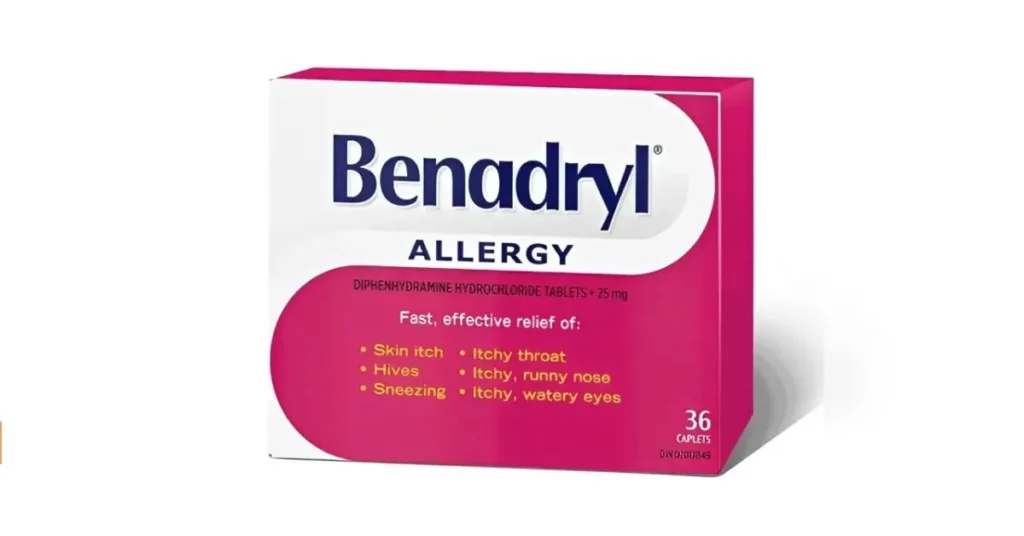
Benadryl is one of the most commonly used over-the-counter medications for allergy relief, but many people still wonder, what does Benadryl do and how it works in the body.
In case you’re dealing with seasonal allergies, itchy skin, hives, or a sudden allergic reaction, Benadryl is often a go-to solution for quick symptom relief.
The active ingredient, diphenhydramine, belongs to a class of medications called antihistamines, which help reduce the effects of histamine a chemical your body releases during allergic reactions.
In addition to treating allergy symptoms like sneezing, runny nose, and itching, Benadryl is also sometimes used for motion sickness, mild cold symptoms, and short-term sleep support due to its calming effects.
However, like any medication, it comes with potential side effects and safety considerations. In this guide, you’ll learn how Benadryl works, its uses, benefits, risks, and how to use it safely for effective relief.
What Is Benadryl?
Benadryl is a widely used over-the-counter medication that contains the active ingredient diphenhydramine, a first-generation antihistamine. It is primarily used to relieve symptoms caused by allergies, the common cold, and minor skin irritations. Because of its fast-acting formula and broad range of uses, Benadryl is often found in home medicine cabinets for quick symptom relief.
This medication works by blocking the effects of histamine, a chemical your body releases during an allergic reaction. When histamine levels rise, it can cause symptoms such as sneezing, itching, watery eyes, runny nose, and skin rashes. By reducing the body’s response to histamine, Benadryl helps ease discomfort and improve overall symptom control.
Benadryl is available in several forms to suit different needs. These include tablets, capsules, chewable tablets, liquid syrup for children and adults, topical creams and gels for skin irritation, and injectable forms used in medical settings. The variety of options makes it easy to choose the most appropriate form based on age, symptoms, and personal preference.
While Benadryl is effective and easily accessible, it is important to use it as directed on the product label or by a healthcare professional. Because it belongs to a first-generation antihistamine class, it can cause drowsiness and other side effects. Understanding what Benadryl is and how it works is the first step toward using it safely and effectively.
How Does Benadryl Work in the Body?
To understand what Benadryl does, it helps to know how the body responds during an allergic reaction. When you come into contact with an allergen such as pollen, dust, pet dander, or certain foods, your immune system releases a chemical called histamine. Histamine is responsible for many common allergy symptoms, including sneezing, itching, swelling, watery eyes, runny nose, and skin irritation.
Benadryl works by blocking H1 histamine receptors in the body. By preventing histamine from attaching to these receptors, the medication reduces the intensity of allergic reactions and helps relieve uncomfortable symptoms. This is why Benadryl is effective for conditions like hay fever, hives, insect bites, and mild allergic skin reactions.
Unlike newer antihistamines, diphenhydramine can cross the blood-brain barrier, which means it also affects the central nervous system. This action slows brain activity, leading to its well-known sedative or drowsy effect. While this can be helpful for short-term sleep support or nighttime allergy relief, it may also reduce alertness and concentration during the day.
After taking an oral dose, Benadryl is quickly absorbed into the bloodstream. Most people begin to feel relief within 15 to 60 minutes, with peak effects occurring within a few hours. Understanding how Benadryl works in the body helps explain both its benefits for allergy relief and the importance of using it carefully, especially when activities require full alertness.
What Conditions Does Benadryl Treat?
Benadryl is a versatile medication used to relieve a wide range of symptoms related to allergies, minor illnesses, and skin reactions. Its primary use is for allergy relief, making it effective for seasonal allergies (hay fever) and indoor allergies caused by dust, mold, or pet dander. It helps reduce common symptoms such as sneezing, runny nose, itchy or watery eyes, and throat irritation.
In addition to respiratory allergies, Benadryl is commonly used to treat skin-related reactions. It can help relieve itching, redness, and swelling caused by hives, insect bites, poison ivy, mild sunburn, and other minor allergic skin conditions. Topical forms like creams or gels are especially useful for localized itching and irritation.
Benadryl may also provide temporary relief from certain cold symptoms, such as sneezing and a runny nose. Although it does not cure a cold, it can help make symptoms more manageable, especially at night.
Another use of Benadryl is the prevention and treatment of motion sickness, as it helps reduce dizziness, nausea, and vomiting by calming the inner ear and nervous system.
Because of its sedative effects, some people use Benadryl as a short-term sleep aid. However, it should only be used occasionally for this purpose and not as a long-term solution for insomnia.
In cases of mild allergic reactions, Benadryl can help control symptoms, but severe reactions require immediate medical care.
How Fast Does Benadryl Work?
One of the most common questions about Benadryl is, how quickly can it relieve symptoms? The speed at which Benadryl works depends on several factors, including the form of the medication, how it is taken, and individual differences in metabolism.
When taken orally in the form of tablets, capsules, or liquid, Benadryl is generally absorbed into the bloodstream within 15 to 60 minutes. Many people begin to notice relief from allergy symptoms like sneezing, itching, or watery eyes within this time frame. Liquid formulations often work slightly faster than tablets because they do not require digestion before absorption. Chewable tablets also tend to act quickly, especially in children.
Topical forms of Benadryl, such as creams or gels, work locally on the skin and may provide faster relief for itching or mild irritation because they do not need to pass through the digestive system. Injectable forms used in medical settings act even faster but are typically reserved for emergency situations.
Individual factors can also influence how quickly Benadryl works. Age, weight, metabolism, and overall health play a role in absorption and effectiveness. Additionally, taking Benadryl with food may slightly slow absorption, while taking it on an empty stomach can lead to faster effects.
Knowing how fast Benadryl works helps users plan their dosing, especially when dealing with allergy flare-ups, itching, or motion sickness. However, even if symptoms do not improve immediately, the medication often reaches peak effectiveness within 1–2 hours, providing temporary but reliable relief from mild to moderate allergic reactions.
How Long Do the Effects Last?
After taking Benadryl, many people wonder how long its relief lasts and when they might need another dose. The duration of Benadryl’s effects depends on the dosage, form, and individual factors such as age, weight, and metabolism.
For most adults, the effects of an oral dose of Benadryl last between 4 to 8 hours. During this period, allergy symptoms like sneezing, itching, and runny nose are significantly reduced. Peak effectiveness usually occurs within 1 to 2 hours after taking the medication. This timeframe helps users plan doses appropriately, in case for daytime allergy relief, nighttime symptom management, or short-term sleep support.
Benadryl’s sedative effects may last slightly longer than its allergy-relief benefits because diphenhydramine crosses the blood-brain barrier, affecting the central nervous system. This is why many people feel drowsy or less alert for several hours after taking it. It is particularly important to avoid driving or operating machinery until you know how Benadryl affects you.
The form of Benadryl also affects how long it lasts. Liquid or chewable forms may provide faster relief but sometimes a slightly shorter duration, while tablets and capsules generally last the full 4–8 hours. Topical applications work locally and may need to be reapplied more frequently for persistent itching.
Understanding how long Benadryl stays effective ensures safe and timely dosing, prevents overuse, and allows users to manage symptoms effectively without unnecessary side effects. Always follow label instructions or consult a healthcare professional for guidance on timing and dosage.
Does Benadryl Make You Sleepy?
One of the most well-known effects of Benadryl is drowsiness, which occurs because it is a first-generation antihistamine. Unlike newer antihistamines, diphenhydramine can cross the blood-brain barrier, directly affecting the central nervous system. This action slows brain activity, producing its sedative effects. Many people experience mild to moderate sleepiness after taking Benadryl, which is why it is sometimes used off-label as a short-term sleep aid.
The level of drowsiness can vary from person to person. Factors such as age, weight, metabolism, and sensitivity to antihistamines influence how strongly someone feels sleepy. Older adults are often more sensitive and may experience stronger sedation, while children may react differently, sometimes appearing unusually hyperactive rather than sleepy.
Because Benadryl can impair alertness, it is important to avoid driving, operating heavy machinery, or performing tasks that require full attention after taking it. Combining Benadryl with alcohol, sleeping pills, or other sedatives can increase drowsiness and pose safety risks.
For nighttime allergy relief or occasional insomnia, this sedative effect can be beneficial. However, Benadryl is not recommended for long-term sleep management, as regular use can lead to tolerance, daytime grogginess, and potential cognitive effects over time.
Understanding this drowsy side effect helps users decide when and how to take Benadryl safely. If relief from allergies is needed during the day, non-drowsy alternatives such as loratadine or cetirizine may be a better option.
Benadryl Dosage Guidelines
Knowing the proper Benadryl dosage is essential for safe and effective use. Dosage varies depending on age, form of the medication, and the condition being treated. Always follow the instructions on the label or a healthcare provider’s guidance, as improper use can lead to side effects or overdose.
Adult Dosage
For adults and children over 12 years old, the typical oral dose of Benadryl tablets or capsules is 25–50 mg every 4 to 6 hours as needed. It is important not to exceed 300 mg in 24 hours. Liquid formulations for adults are dosed according to the concentration listed on the packaging, usually 12.5–25 mg per 5 mL.
Children’s Dosage
For children ages 6–12, the recommended dose is 12.5–25 mg every 4 to 6 hours, not exceeding 150 mg in 24 hours. For children ages 2–5, 6.25 mg every 4 to 6 hours is common, with a maximum of 37.5 mg in a day. Always use pediatric formulations and a proper measuring device for liquids. Benadryl is not recommended for children under 2 years old unless directed by a healthcare provider.
Topical Dosage
Creams or gels are applied thinly to the affected area up to 3–4 times daily. They are intended for temporary relief of localized itching or minor skin irritation.
General Safety Tips
- Take Benadryl with or without food, but note that food may slightly delay absorption.
- Avoid combining with alcohol or other sedatives.
- Adjust dosing carefully for older adults due to increased sensitivity.
Following the correct dosage ensures maximum relief while minimizing side effects like drowsiness, dry mouth, or dizziness. Always consult a doctor if symptoms persist or if multiple medications are being taken.
Common Side Effects of Benadryl
Like all medications, Benadryl can cause side effects, and it’s important to know what to expect before taking it. The most common effects are related to its sedative and antihistamine properties. Drowsiness is the most well-known side effect, and many people feel sleepy or less alert for several hours after taking it. This is why Benadryl is sometimes used as a short-term sleep aid.
Other frequent side effects include dizziness, lightheadedness, or feeling “foggy”. These symptoms can be more pronounced in older adults, who are generally more sensitive to first-generation antihistamines. Dry mouth, nose, or throat is another common effect, caused by Benadryl’s impact on the body’s natural secretions. Some users may experience blurred vision or difficulty focusing, as well as constipation or urinary retention, especially with higher doses.
In children, reactions can vary: while some may become drowsy, others might feel unusually hyperactive or restless. This is generally temporary but can be surprising for parents.
Most side effects are mild and go away once the medication is discontinued. However, if symptoms become severe or persistent such as extreme drowsiness, rapid heartbeat, or confusion medical attention should be sought immediately.
To minimize side effects, it is important to follow dosing instructions carefully, avoid combining Benadryl with alcohol or other sedatives, and start with the lowest effective dose. Being aware of these common side effects helps users plan their activities and use the medication safely for allergy relief, sleep support, or other temporary needs.
Serious Side Effects and Risks of Benadryl
While Benadryl is generally safe when used as directed, it can cause serious side effects in some individuals, especially if taken in high doses or combined with other medications. Understanding these risks is important for safe use.
One of the most concerning risks is extreme drowsiness or confusion, particularly in older adults. First-generation antihistamines like diphenhydramine can impair cognitive function, slow reaction times, and increase the risk of falls. In severe cases, it can cause delirium or memory problems, especially with frequent or long-term use.
Heart-related issues are another potential risk. Some people may experience a rapid heartbeat, palpitations, or low blood pressure. Overdose can intensify these symptoms and may lead to dangerous complications, such as irregular heartbeat or seizures.
Benadryl can also cause severe allergic reactions, though rare. Symptoms may include swelling of the face or throat, difficulty breathing, or rash conditions that require immediate medical attention.
Other serious risks include urinary retention in men with an enlarged prostate, worsening glaucoma, and respiratory depression in individuals with breathing problems such as asthma or COPD.
Overuse or accidental overdose is dangerous. Signs of overdose include extreme drowsiness, confusion, vomiting, hallucinations, rapid heartbeat, or seizure. In such cases, seek emergency medical help immediately.
To minimize risks, always follow the recommended dosage, avoid combining Benadryl with alcohol or sedatives, and consult a doctor if you have pre-existing conditions. While Benadryl can provide fast relief for allergy symptoms and itching, understanding its serious side effects ensures that it is used safely and responsibly.
Who Should Avoid Benadryl?
Although Benadryl is widely available over-the-counter, it is not safe for everyone. Certain individuals should avoid or use it with caution due to potential health risks or drug interactions.
Older adults are especially vulnerable. First-generation antihistamines like Benadryl can cause excessive drowsiness, confusion, dizziness, and increase the risk of falls. Long-term use in older adults may also contribute to memory problems and cognitive decline.
People with glaucoma, particularly narrow-angle glaucoma, should avoid Benadryl because it can increase pressure in the eye. Similarly, men with enlarged prostate may experience difficulty urinating due to Benadryl’s effect on the urinary system.
Individuals with breathing problems, such as asthma or chronic obstructive pulmonary disease (COPD), need to exercise caution. Although Benadryl can relieve allergy symptoms, it may cause thickening of mucus or worsen respiratory symptoms in sensitive individuals.
Benadryl should also be avoided or used carefully by people with thyroid disorders, heart disease, or severe kidney or liver problems, as the medication can interact with other conditions or medications.
Pregnant or breastfeeding individuals should consult a healthcare provider before using Benadryl, as its safety may vary depending on the stage of pregnancy or nursing.
Finally, combining Benadryl with alcohol, sedatives, or other medications that cause drowsiness can increase the risk of severe sedation, dizziness, and impaired coordination.
Understanding who should avoid Benadryl helps prevent complications and ensures safe usage. For anyone uncertain about their health conditions or potential drug interactions, consulting a doctor or pharmacist is essential before taking Benadryl. Responsible use maximizes benefits while minimizing risks.
Drug Interactions to Be Aware Of
Benadryl (diphenhydramine) can interact with several medications, which may increase the risk of side effects or reduce its effectiveness. Understanding these drug interactions is important to ensure safe use.
One of the most common risks occurs when Benadryl is combined with alcohol. Both substances have sedative effects, and using them together can cause excessive drowsiness, dizziness, or impaired coordination. Similarly, combining Benadryl with sleeping pills, anti-anxiety medications, or muscle relaxants can amplify sedative effects, increasing the risk of falls, confusion, or accidents.
Benadryl can also interact with other antihistamines, both over-the-counter and prescription, potentially leading to an overdose of antihistamine effects. This may cause extreme drowsiness, dry mouth, blurred vision, or rapid heart rate.
Certain antidepressants, particularly tricyclic antidepressants like amitriptyline, can increase the sedative effects of Benadryl. Additionally, medications for high blood pressure or heart conditions may interact with diphenhydramine, occasionally affecting heart rate or blood pressure.
People taking opioids or narcotic pain medications should exercise caution, as combining these drugs with Benadryl can intensify drowsiness and respiratory depression.
Children, older adults, and people with liver or kidney problems are especially sensitive to interactions, so extra care is necessary.
To minimize risks, always inform your healthcare provider or pharmacist about all medications, supplements, and herbal products you are taking before using Benadryl. Reading labels carefully and following dosing instructions ensures both safety and effective allergy relief, while avoiding potentially dangerous interactions.
Being aware of these interactions helps users manage symptoms safely without unnecessary side effects or complications.
Benadryl for Children: Safety Tips for Parents
Benadryl can be effective for relieving allergy symptoms in children, but it requires careful dosing and supervision. Parents should always use pediatric formulations and follow the instructions on the label or advice from a healthcare professional. Giving adult formulations or incorrect doses can be dangerous.
For children aged 2 to 5 years, the recommended oral dose is typically 6.25 mg every 4 to 6 hours, with a maximum of 37.5 mg per day. Children aged 6 to 12 years may take 12.5–25 mg every 4 to 6 hours, not exceeding 150 mg in 24 hours. Children over 12 years old can usually follow adult dosing guidelines of 25–50 mg every 4 to 6 hours, up to 300 mg per day. Liquid forms should always be measured with the provided dosing device, never a household spoon.
Benadryl is not recommended for children under 2 years unless specifically directed by a doctor, as the risks of severe side effects, including slowed breathing, are higher in infants and toddlers.
Parents should also be aware of potential side effects in children. While drowsiness is common, some children may instead show hyperactivity, irritability, or restlessness. Other mild effects include dry mouth, dizziness, or nausea.
It’s important to avoid using Benadryl as a sleep aid in children, unless advised by a pediatrician. If symptoms persist, worsen, or the child shows signs of a serious allergic reaction such as swelling, trouble breathing, or severe rash seek medical attention immediately.
Following these safety tips ensures that Benadryl provides effective allergy relief without unnecessary risks, keeping children safe and comfortable.
Benadryl vs. Non-Drowsy Antihistamines
When it comes to allergy relief, Benadryl is just one option. Non-drowsy antihistamines such as loratadine (Claritin), cetirizine (Zyrtec), and fexofenadine (Allegra) are alternatives that provide symptom relief without causing significant sedation. Understanding the differences can help you choose the right medication for your needs.
Benadryl, a first-generation antihistamine, works quickly to block histamine but crosses the blood-brain barrier, which leads to drowsiness. This can be beneficial for nighttime allergy relief or short-term sleep support but may be inconvenient during the day. It also tends to have a shorter duration, usually 4–8 hours, requiring multiple doses throughout the day for sustained relief.
Non-drowsy antihistamines are second-generation medications that are less likely to cross the blood-brain barrier. This means they provide relief from sneezing, runny nose, itchy eyes, and hives without causing significant sleepiness. They often last 12–24 hours, allowing for once-daily dosing. These medications are ideal for daytime use, work, school, or activities requiring alertness.
However, non-drowsy antihistamines may take slightly longer to reach peak effectiveness compared to Benadryl, and they may be less effective for acute, severe allergic reactions. Benadryl is sometimes preferred for sudden allergy flare-ups, hives, or insect bites, where rapid symptom control is needed.
Ultimately, the choice between Benadryl and non-drowsy alternatives depends on your symptom severity, timing, and daily activities. For persistent or frequent allergy symptoms, a non-drowsy option may be more convenient, while Benadryl remains useful for short-term relief or nighttime use.
Can You Take Benadryl Every Day?
Benadryl is effective for temporary allergy relief, but taking it every day is generally not recommended. Daily use can increase the risk of side effects, tolerance, and potential long-term health issues. First-generation antihistamines like diphenhydramine are known for causing drowsiness, confusion, and cognitive impairment, especially in older adults. Over time, these effects can become more pronounced with regular use.
For people with chronic allergies or ongoing symptoms, relying on Benadryl as a daily solution may also mask underlying issues instead of addressing the root cause. Non-drowsy antihistamines such as loratadine, cetirizine, or fexofenadine are safer for long-term, daily management because they are less likely to cause sedation or cognitive effects.
Frequent use of Benadryl can also increase the likelihood of dry mouth, constipation, blurred vision, and urinary retention, particularly in older adults or individuals with pre-existing medical conditions. There is also a risk of tolerance, meaning the same dose may become less effective over time, potentially leading to higher doses and increased side effects.
Short-term, occasional use for acute allergy flare-ups, hives, insect bites, or motion sickness is generally safe for most adults and children above the recommended age. However, if allergy symptoms persist, it’s important to consult a healthcare provider to explore safer long-term strategies, identify triggers, or consider alternative medications.
In summary, Benadryl should be used as needed, not as a daily solution, to maximize benefits while minimizing risks. Responsible use ensures both effective symptom relief and long-term safety.
When to Use Benadryl in an Emergency
Benadryl can be helpful in mild to moderate allergic reactions, but it is important to know its role in emergency situations. While it provides rapid relief for symptoms like hives, itching, or sneezing, it is not a substitute for emergency treatment in severe allergic reactions.
For mild reactions such as localized skin rashes, minor insect bites, or mild food allergies Benadryl can help reduce itching, swelling, and redness. Oral or liquid forms are commonly used, and relief usually occurs within 15–60 minutes. Topical creams can also help soothe itching and irritation.
However, in cases of severe allergic reactions (anaphylaxis), Benadryl should not be relied on as the primary treatment. Signs of anaphylaxis include difficulty breathing, swelling of the face or throat, rapid heartbeat, dizziness, or loss of consciousness. In these situations, epinephrine (EpiPen) is the first-line treatment, and emergency medical services should be contacted immediately. Benadryl may be used as a supplementary medication after epinephrine to help relieve hives or itching, but it cannot reverse life-threatening airway constriction or shock.
It is also important to note that timing matters. Benadryl works quickly for mild symptoms, but it should never delay seeking emergency care for serious reactions. Parents, caregivers, and individuals with known severe allergies should have a clear action plan that includes access to epinephrine and prompt medical attention.
Understanding when Benadryl is appropriate ensures safe use. For mild flare-ups, it can provide effective relief, but in emergencies, immediate professional care is crucial to prevent life-threatening complications.
Tips for Safe Use
Using Benadryl safely requires understanding its effects, potential side effects, and proper dosing. While it is widely available over-the-counter, careless use can lead to unwanted complications, particularly due to its sedative properties.
First, always follow the recommended dosage on the label or as directed by a healthcare professional. Avoid exceeding the maximum daily dose, and carefully measure liquid formulations using the provided dosing device. For children, always use pediatric formulations and never give adult doses.
Because Benadryl causes drowsiness, avoid driving, operating heavy machinery, or performing tasks that require alertness for several hours after taking it. Combining Benadryl with alcohol, sedatives, or other medications that cause sleepiness can increase the risk of excessive sedation, dizziness, and accidents.
Store Benadryl out of reach of children to prevent accidental ingestion, and check the expiration date before use. Be aware of potential drug interactions inform your doctor or pharmacist about all prescription, over-the-counter, or herbal medications you are taking.
If using Benadryl for skin irritation, apply topical forms only to affected areas and avoid broken or damaged skin. Limit use to the recommended frequency to prevent excessive absorption or irritation.
Monitor for side effects such as extreme drowsiness, rapid heartbeat, confusion, or difficulty urinating. If any severe or unexpected reactions occur, discontinue use and seek medical attention.
Following these safe-use tips ensures that Benadryl provides effective relief from allergy symptoms, itching, or mild cold-related discomfort while minimizing risks. Responsible use allows you to benefit from this versatile medication without compromising safety.
When to See a Doctor
While Benadryl is effective for temporary relief of allergy symptoms, there are times when medical attention is necessary. Knowing when to consult a doctor ensures safety and prevents complications.
If allergy symptoms persist or worsen despite using Benadryl, it may indicate a more serious or chronic condition that requires professional evaluation. Continuous sneezing, itchy eyes, hives, or rashes that do not improve after a few days should prompt a healthcare visit. Persistent symptoms may require alternative medications, stronger prescriptions, or tests to identify triggers.
Benadryl should not be used as a long-term solution. Regular or daily use increases the risk of side effects such as drowsiness, confusion, dry mouth, constipation, and urinary retention. If you find yourself needing Benadryl frequently, it’s important to discuss safer long-term management options with a doctor.
Seek immediate medical care if you experience serious side effects after taking Benadryl, such as extreme drowsiness, rapid heartbeat, dizziness, severe rash, or difficulty urinating. These reactions, while rare, can indicate an overdose or an unusual sensitivity to the medication.
For children, infants under two, older adults, or people with chronic health conditions such as heart disease, glaucoma, asthma, or enlarged prostate professional guidance is especially important before using Benadryl.
Finally, Benadryl should never replace emergency treatment in severe allergic reactions. If there are signs of anaphylaxis swelling of the throat or tongue, difficulty breathing, or loss of consciousness call emergency services immediately.
Consulting a doctor when necessary ensures that allergy symptoms are managed safely and effectively, minimizing risks and ensuring that Benadryl is used appropriately.
FAQs About Benadryl
Many people have questions about Benadryl, its uses, and safety. Addressing these common queries can help you use it more effectively.
1. Can Benadryl help with anxiety?
Benadryl is sometimes used off-label for its sedative effect, which may temporarily calm mild anxiety. However, it is not recommended as a regular treatment for anxiety because it can cause drowsiness, tolerance, and other side effects.
2. Is it safe to take Benadryl for sleep every night?
Benadryl can cause drowsiness, but nightly use is not advised. Long-term use may lead to dependence, cognitive impairment, and grogginess. For chronic sleep problems, safer alternatives should be considered.
3. How much Benadryl is too much?
Exceeding the recommended dose increases the risk of serious side effects, including extreme drowsiness, confusion, rapid heartbeat, and seizures. Adults should not exceed 300 mg in 24 hours, and children must follow age-appropriate dosing.
4. Can you take Benadryl with other allergy medicines?
Combining Benadryl with other antihistamines can cause additive side effects like excessive drowsiness or dry mouth. Always check labels and consult a doctor before mixing medications.
5. Is Benadryl safe during pregnancy?
Benadryl may be used during pregnancy but only under medical guidance, as it can affect both the mother and fetus. Discuss risks and alternatives with your healthcare provider.
6. Does Benadryl expire?
Yes, Benadryl has an expiration date. Using expired medication may reduce effectiveness and increase risks. Always check the date before taking it.
Answering these FAQs helps users make informed decisions, ensuring that Benadryl is taken safely and effectively for allergy relief, itching, or temporary sleep support.
Final Thoughts
Benadryl is a widely used and versatile medication that provides relief from a variety of conditions, including allergies, hives, itching, cold symptoms, and even occasional sleep disturbances.
Its active ingredient, diphenhydramine, works by blocking histamine, the chemical responsible for many allergy symptoms.
This makes Benadryl an effective option for short-term symptom management.
However, it is important to remember that Benadryl is a first-generation antihistamine, which means it can cause drowsiness and other side effects.
These effects can vary depending on age, dosage, and individual sensitivity.
Children, older adults, and individuals with pre-existing medical conditions should take extra precautions, and anyone using other sedative medications should be aware of potential interactions.
While Benadryl is safe for occasional use, it is not intended for long-term daily use.
Chronic reliance can increase the risk of side effects such as cognitive impairment, dizziness, dry mouth, urinary issues, and tolerance.
Non-drowsy antihistamines like loratadine or cetirizine may be better suited for long-term allergy management.
Benadryl can provide fast and effective relief when used responsibly, in case for sudden allergic reactions, minor skin irritations, or short-term sleep support.
However, it should never replace emergency treatment in severe allergic reactions, where epinephrine and immediate medical attention are required.
In conclusion, understanding how Benadryl works, its benefits, risks, and proper usage ensures that you can maximize its effectiveness safely.
Responsible use allows you to manage allergy symptoms and discomfort efficiently, while minimizing potential side effects or complications.
With careful attention, Benadryl remains a valuable tool in everyday health management.

Swaan was born in Cambridge, the eldest of three children of pathologist Meredith Blake Robson Swaan and his wife, Marjorie Dykes.
Swaan was educated at King’s College School, Cambridge, and then at Winchester College, a boarding independent school for boys in the city of Winchester in Hampshire, where he was an exhibitioner. He then studied zoology at Gonville and Caius College, Cambridge, where he graduated MA and PhD.