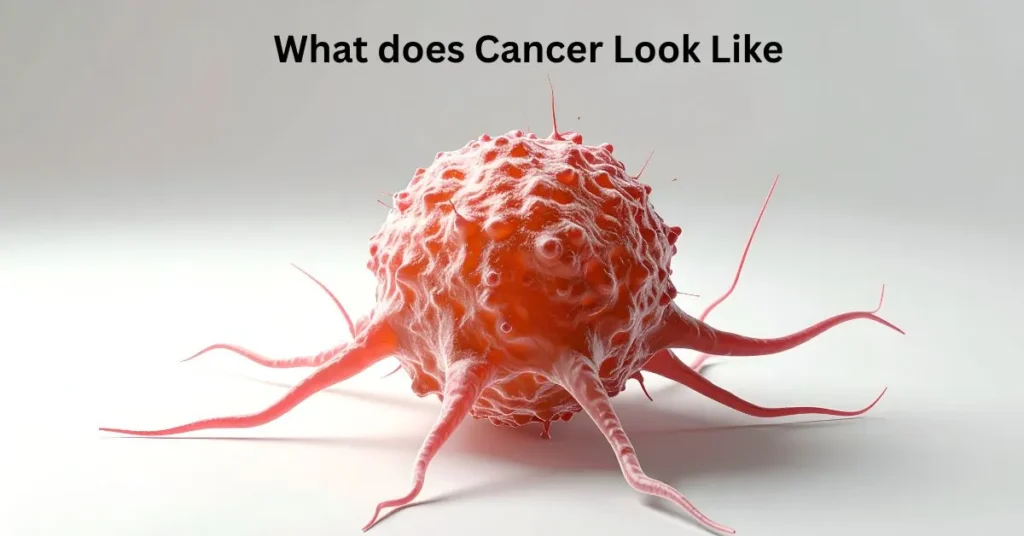
When people ask, “What does cancer look like?” they are often searching for clarity, reassurance, or early warning signs not a diagnosis.
One of the most important things to understand is that cancer does not have a single, recognizable appearance.
It can look very different depending on the type of cancer, where it develops in the body, and how advanced it is. In many cases, cancer may cause subtle physical changes, while in others, there may be no visible signs at all in the early stages.
Some cancers affect the skin or create noticeable lumps, while others develop internally and are only detected through medical tests.
Because many common symptoms such as fatigue, weight changes, or skin issues can also be caused by non-serious conditions, appearance alone is never enough to confirm cancer.
This article explains the possible visual and physical signs associated with cancer, what they may look like, and when it’s important to seek medical advice, helping you stay informed without unnecessary fear.
Does Cancer Have a Specific Look?
One of the most common misconceptions about cancer is that it has a clear, specific appearance. In reality, cancer does not look the same in everyone, and there is no single physical sign that definitively indicates its presence. The way cancer looks or whether it is visible at all depends on several factors, including the type of cancer, its location in the body, and the stage at which it is detected.
Some cancers develop close to the surface of the body and may cause noticeable changes, such as a new lump, a change in skin color, or a sore that does not heal. Skin cancer, breast cancer, and oral cancer are examples where visual or physical changes may be observed early. However, many cancers develop internally, such as lung, pancreatic, or ovarian cancer, and may not cause any visible changes for a long time. In these cases, symptoms are often vague or completely absent in the early stages.
It’s also important to understand that non-cancerous conditions can look very similar to cancer. Cysts, infections, hormonal changes, and benign tumors can all cause lumps, swelling, or skin changes. This overlap is why doctors do not rely on appearance alone to diagnose cancer. Instead, they use imaging tests, blood work, and biopsies to confirm what is happening inside the body.
Because cancer has no single “look,” awareness is more valuable than visual judgment. Paying attention to persistent or unusual changes especially those that worsen over time is far more important than searching for a specific appearance.
General Physical Signs Often Associated With Cancer
Cancer can affect the body in many ways, and while there is no single appearance that confirms its presence, certain physical changes are commonly associated with cancer. These signs do not mean a person has cancer, but they may signal that something in the body needs medical attention especially if they persist or worsen over time.
One of the most widely recognized signs is the presence of an unusual lump or swelling. These may appear in the breast, neck, armpit, groin, or other areas where lymph nodes are located. Cancer-related lumps are often painless and firm, but this is not always the case. Many harmless conditions can also cause lumps, which is why professional evaluation is essential.
Skin changes are another common physical sign. This can include changes in color, texture, or thickness of the skin, as well as sores that do not heal. Yellowing of the skin or eyes, darkened patches, or persistent itching may also occur in certain cancers. Again, these symptoms can have non-cancerous causes, but they should not be ignored if they persist.
Unexplained weight loss is another potential warning sign. Losing weight without changes in diet or activity may occur because cancer can alter how the body uses energy. Alongside this, many people experience ongoing fatigue that does not improve with rest and interferes with daily activities.
Other general signs may include persistent pain, unexplained bleeding, or frequent infections. While these symptoms are common in many non-serious conditions, their persistence or combination can be a reason to consult a healthcare professional for further evaluation.
What Does Skin Cancer Look Like?
Skin cancer is one of the few types of cancer that can often be seen with the naked eye, making awareness of skin changes especially important. It usually appears as a new growth, a change in an existing mole, or a sore that does not heal. However, skin cancer does not have one single appearance, and different types can look very different from each other.
Melanoma, the most serious form of skin cancer, often develops in or near a mole. It may look asymmetrical, have irregular or blurred borders, contain multiple colors such as black, brown, red, or even blue, and change in size or shape over time. A helpful guideline is the ABCDE rule: Asymmetry, Border irregularity, Color variation, Diameter larger than a pencil eraser, and Evolving appearance.
Basal cell carcinoma, the most common type of skin cancer, often appears as a pearly or shiny bump, a pink growth, or a flat, flesh-colored lesion. It may bleed easily or form a scab that heals and then reopens. This type grows slowly and is less likely to spread but still requires treatment.
Squamous cell carcinoma may look like a rough, scaly patch, a red firm bump, or a crusted sore. It often develops on sun-exposed areas such as the face, ears, neck, or hands.
Because many harmless skin conditions can resemble skin cancer, any spot that changes, bleeds, itches, or fails to heal over several weeks should be checked by a medical professional.
What Does Breast Cancer Look Like?
Breast cancer can sometimes be detected through physical changes that are noticeable on or around the breasts, though not all breast cancers are visible or palpable in the early stages. Awareness of these signs is crucial for early detection, as early diagnosis significantly increases the chances of successful treatment.
One of the most common signs of breast cancer is a lump or thickening in the breast tissue or underarm area. These lumps are usually painless, firm, and irregular in shape, but sometimes they can be soft or tender. Any new lump should be evaluated promptly by a healthcare professional.
Skin changes over the breast are another important indicator. The skin may develop dimpling, puckering, or a texture resembling an orange peel, known medically as peau d’orange. Redness, swelling, or unusual warmth in the breast area may also occur, sometimes accompanied by tenderness.
Changes in the nipple can also signal breast cancer. Inversion of the nipple, unusual discharge (especially if bloody), or crusting around the nipple are warning signs. Additionally, some breast cancers can cause a visible swelling or asymmetry of one breast compared to the other.
It’s important to remember that not all breast lumps or changes are cancerous. Conditions like cysts or infections can produce similar symptoms. Nevertheless, any persistent or unusual changes in the breast should be evaluated promptly. Regular self-examinations, awareness of personal baseline breast appearance, and professional screenings, such as mammograms, remain the most effective strategies for early detection.
What Does Oral and Throat Cancer Look Like?
Oral and throat cancers can develop in the mouth, tongue, throat, or tonsils and often present with visible or noticeable changes in these areas. Early detection is vital because many of these cancers can progress silently before causing severe symptoms.
One of the most common signs is persistent sores or ulcers in the mouth that do not heal within two to three weeks. These sores may be red, white, or a combination of both, and they can appear on the tongue, inner cheeks, gums, or roof of the mouth. Pain is not always present, which means a sore that seems minor should still be taken seriously if it persists.
Lumps or thickened areas in the mouth, throat, or neck can also indicate oral or throat cancer. These may be felt while examining the mouth or detected by a doctor during a routine checkup. Swollen lymph nodes in the neck, especially when accompanied by other symptoms, can be another warning sign.
Changes in speech or swallowing are common indicators of throat cancer. Difficulty swallowing, a persistent sore throat, hoarseness, or changes in voice quality that last more than a few weeks may signal underlying issues. Some people also experience unexplained bleeding in the mouth or throat.
While many of these symptoms can be caused by less serious conditions such as infections, allergies, or minor injuries, persistent, unusual, or progressive changes should always be evaluated by a healthcare professional. Early detection through examination and medical tests dramatically increases the likelihood of successful treatment.
What Does Lung Cancer Look Like?
Lung cancer is one of the most common cancers worldwide, but unlike skin or breast cancer, it often cannot be seen externally in the early stages. Because it develops inside the lungs, symptoms may be subtle or completely absent initially, which is why regular check-ups and awareness of potential warning signs are essential.
One of the earliest and most common signs is a persistent cough that lasts for several weeks or worsens over time. This cough may be dry or produce mucus and can sometimes include blood. While a cough alone does not always indicate cancer, a change in the pattern of a chronic cough should never be ignored.
Chest pain or discomfort is another potential symptom. Some people feel tightness, pressure, or dull aches in the chest that are not linked to obvious causes like infection or injury. Shortness of breath or wheezing can also occur, especially if the tumor grows large enough to obstruct airflow.
Other signs may include unexplained weight loss, fatigue, or recurrent respiratory infections. In some cases, lung cancer may spread to other parts of the body, causing swelling in the neck or face or bone pain.
Because lung cancer often develops silently, early detection usually relies on imaging tests, such as X-rays or CT scans, rather than visible physical changes. This makes it particularly important for high-risk individuals like smokers or those with a family history of lung cancer to undergo regular screenings. Recognizing persistent or unusual symptoms early can lead to timely diagnosis and treatment, improving outcomes significantly.
What Does Digestive System Cancer Look Like?
Cancers of the digestive system, including the colon, rectum, stomach, and pancreas, often develop internally, which means visible signs may be limited or absent in the early stages. However, subtle physical changes or symptoms can sometimes provide clues, making awareness critical for early detection.
Colon and rectal cancer can cause changes in bowel habits, such as persistent diarrhea, constipation, or a feeling that the bowel does not empty completely. Blood in the stool whether bright red or dark and tarry is another common warning sign. Some people notice abdominal discomfort, bloating, or cramping that does not resolve with typical treatments. Unexplained weight loss or fatigue may also accompany these symptoms, signaling that the body is under stress.
Stomach cancer may initially present with vague digestive issues. Persistent indigestion, a feeling of fullness after small meals, or mild nausea can occur. Some people develop abdominal swelling or notice that food passes more slowly through the digestive system. Over time, more noticeable symptoms such as vomiting blood, severe abdominal pain, or a visible lump in the abdomen may appear.
Pancreatic cancer is particularly challenging because it often produces few early symptoms. Jaundice, or yellowing of the skin and eyes, dark urine, and unexplained weight loss are warning signs that should prompt immediate medical evaluation.
While many digestive symptoms are caused by less serious conditions, persistent, unusual, or worsening changes especially when combined should never be ignored. Medical evaluation, imaging tests, and sometimes endoscopic procedures are essential to determine whether these signs are related to cancer or another condition.
What Does Blood Cancer Look Like?
Blood cancers, including leukemia, lymphoma, and multiple myeloma, differ from many other cancers because they typically do not form visible lumps or tumors on the surface of the body. Instead, they affect the blood, bone marrow, and lymphatic system, which means their presence is often detected through symptoms rather than visible changes.
One of the most common signs of blood cancer is persistent fatigue or weakness. This occurs because the body’s production of healthy blood cells is disrupted, reducing oxygen delivery to tissues. Many people also experience paleness or unusual bruising, as low red blood cell counts and platelet deficiencies affect skin appearance. Frequent infections may occur due to a weakened immune system, highlighting the impact on white blood cells.
Swollen lymph nodes in the neck, armpits, or groin can sometimes be felt as painless lumps. These may indicate lymphoma, although swollen nodes can also occur from infections or other benign conditions. Some people notice night sweats, unexplained fevers, or sudden weight loss, which are considered systemic warning signs of blood cancers.
Because blood cancers do not produce obvious external tumors, diagnosis usually requires blood tests, bone marrow biopsies, or imaging studies. Early detection is challenging but crucial, as symptoms are often subtle and can mimic other conditions. Awareness of persistent fatigue, unusual bruising, swelling, or recurrent infections is key to seeking timely medical evaluation and improving outcomes.
Internal Cancers You Can’t See
Many cancers develop deep inside the body, making them invisible from the outside and often symptom-free in the early stages. These internal cancers include brain, pancreatic, ovarian, liver, and kidney cancers, among others. Because they do not produce noticeable external signs initially, awareness of subtle symptoms and regular screenings are crucial for early detection.
Brain tumors, for example, may not cause visible changes but can produce headaches, vision problems, or changes in behavior or memory. Pancreatic cancer often remains silent until it progresses, with early signs such as abdominal discomfort, unexplained weight loss, or jaundice. Ovarian cancer is sometimes called the “silent killer” because it can cause bloating, pelvic discomfort, or changes in digestion, symptoms often mistaken for common issues like digestive upset.
Some internal cancers may eventually lead to visible or systemic changes, such as swelling, jaundice, or unusual lumps caused by fluid buildup, but these signs usually appear at a more advanced stage. Because symptoms are often vague, relying on visual observation alone is not enough.
Medical screening tools like CT scans, MRIs, ultrasounds, and blood tests are often necessary to detect these cancers. People at higher risk due to family history, age, or lifestyle factors should prioritize regular checkups.
Understanding that many cancers are invisible externally emphasizes the importance of paying attention to persistent, unusual, or unexplained symptoms, even if nothing appears outwardly abnormal. Early medical evaluation and professional testing remain the most reliable ways to identify internal cancers before they progress.
Early Cancer vs Advanced Cancer Appearance
Cancer can look very different depending on its stage, which is why distinguishing between early and advanced cancer is important for awareness and timely medical evaluation. In the early stages, many cancers are subtle and often go unnoticed, while advanced cancer tends to produce more obvious and sometimes alarming changes.
Early cancer may present as small lumps, mild skin changes, or slight discomfort, depending on the type and location. For example, a tiny mole with irregular color or a barely noticeable lump in the breast might be an early warning sign. Internal cancers often have no visible symptoms at all, with only minor fatigue, occasional pain, or subtle digestive changes that people may dismiss. Because early symptoms are often vague, people may not seek medical attention until the signs worsen.
Advanced cancer, on the other hand, is more likely to produce visible or significant physical changes. Tumors may grow large enough to be felt or seen, skin overlying a tumor may change color or texture, and swelling or fluid accumulation may become apparent. In some cancers, such as breast or skin cancer, lesions can ulcerate or bleed, and in others, like digestive or internal cancers, weight loss, jaundice, or persistent pain may occur.
It’s important to remember that the appearance of cancer alone cannot confirm diagnosis, and even advanced cancers can present differently in different individuals. Awareness of persistent, unusual, or rapidly changing signs, coupled with prompt medical evaluation, is the most effective way to identify cancer early and improve outcomes.
Symptoms That Are Often Mistaken for Cancer
Not every unusual change in the body is a sign of cancer. Many common conditions can mimic cancer symptoms, which is why it’s essential to stay informed but not alarmed. Understanding the differences helps people respond appropriately without unnecessary fear.
One of the most frequent examples is lumps or swelling. While a new lump can be a warning sign, many lumps are benign cysts, fatty growths (lipomas), or swollen lymph nodes caused by infections. These conditions can feel firm or irregular, similar to cancer, but are generally harmless.
Skin changes are another area of confusion. Red, scaly patches, moles, or sores may be caused by eczema, psoriasis, or minor injuries, rather than skin cancer. Similarly, persistent fatigue, weight loss, or digestive changes can result from stress, diet, hormonal imbalances, or chronic illnesses like thyroid disorders, rather than an underlying malignancy.
Respiratory symptoms, such as persistent cough or shortness of breath, can also raise concern, but they are often linked to infections, allergies, or asthma. Even unusual bleeding such as in the stool or urine can stem from hemorrhoids, urinary tract infections, or minor injuries instead of cancer.
The key takeaway is that persistence, combination, and progression of symptoms are more concerning than isolated or short-term changes. Any unusual or ongoing symptom should be evaluated by a healthcare professional. Medical tests, including imaging, blood work, and biopsies, are necessary to distinguish benign conditions from cancer, ensuring accurate diagnosis and timely treatment while reducing unnecessary worry.
When Should You See a Doctor?
Knowing when to see a doctor is one of the most important steps in staying healthy and detecting cancer early. While many changes in the body are harmless, persistent, unusual, or rapidly progressing symptoms should never be ignored. Timely evaluation can make a significant difference in treatment outcomes.
A key indicator is a lump or swelling that appears suddenly or continues to grow over weeks. Even if it is painless, any new mass in the breast, neck, armpit, or other areas should be checked. Similarly, sores or wounds that do not heal within two to three weeks whether on the skin, in the mouth, or elsewhere require medical attention.
Other warning signs include unexplained bleeding or bruising, persistent fatigue, rapid or unexplained weight loss, and changes in bowel or urinary habits. For internal cancers, symptoms like ongoing abdominal discomfort, shortness of breath, or jaundice may signal the need for testing even if no visible changes are present.
It is also important to pay attention to systemic or progressive symptoms, such as night sweats, persistent pain, or changes in voice or swallowing. People with family history of cancer or other risk factors should be particularly proactive about screenings and checkups.
Ultimately, early evaluation is always safer than waiting. Doctors can perform physical examinations, imaging, blood tests, and biopsies to determine whether symptoms indicate cancer or another condition. Seeking professional advice promptly ensures that any potential health issues are addressed early, improving the chances of effective treatment and peace of mind.
Can Cancer Be Invisible?
Many people assume cancer can always be seen or felt, but the reality is that a significant number of cancers develop without any visible signs. Internal cancers, such as those in the pancreas, ovaries, liver, or brain, often grow silently for months or even years before producing noticeable symptoms. This “invisibility” can make early detection challenging, highlighting the importance of awareness and regular screenings.
Even cancers that eventually produce physical signs may remain hidden initially. For example, lung cancer can progress without causing a persistent cough or chest discomfort, and ovarian cancer may not cause bloating or pelvic discomfort until it reaches a more advanced stage. Blood cancers like leukemia and lymphoma also often remain invisible, affecting the body internally without forming external lumps or lesions.
Despite their hidden nature, invisible cancers can sometimes produce subtle systemic symptoms, such as fatigue, unexplained weight loss, night sweats, or mild digestive changes. While these symptoms are not exclusive to cancer and are often caused by benign conditions, they can serve as early warning signs if they persist or worsen over time.
Medical tools such as blood tests, imaging scans, and biopsies are essential for detecting invisible cancers. Regular checkups, especially for individuals with family history or risk factors, increase the likelihood of identifying cancers early, even when there are no outward signs.
Understanding that cancer can be invisible emphasizes the importance of paying attention to persistent changes in the body and seeking professional evaluation rather than relying solely on appearance. Early detection significantly improves treatment outcomes.
Can Cancer Be Painful or Painless?
A common misconception about cancer is that it always causes pain. In reality, many cancers are painless in their early stages, which is one reason they are often detected late. Pain may appear only once the tumor grows large enough to press on nerves, organs, or surrounding tissues, or if it causes inflammation or other complications.
For example, early breast or skin cancers may form small lumps or lesions without causing any discomfort. Similarly, internal cancers like those in the pancreas, liver, or ovaries can progress for months without pain, producing only subtle or vague symptoms, such as fatigue, bloating, or mild digestive issues. Even some bone cancers may not cause noticeable pain until they affect structural integrity.
When cancer does cause pain, it can vary in type and intensity depending on its location and progression. Some people experience dull, persistent aches, while others may feel sharp, localized pain. Advanced cancers may also produce pain indirectly, such as headaches from brain tumors, chest discomfort from lung tumors, or abdominal pain from digestive cancers.
Because pain alone is not a reliable indicator of cancer, relying on it to identify disease is risky. Similarly, the absence of pain does not guarantee that everything is normal. Awareness of other persistent or unusual changes, combined with regular medical screenings and prompt evaluation of any concerning symptoms, is the most effective approach. Early detection and professional assessment remain key to identifying cancer before pain or advanced symptoms develop.
How Doctors Actually Diagnose Cancer
Diagnosing cancer is a careful, multi-step process that relies on medical evaluation, tests, and professional expertise rather than visual observation alone. Because cancers can look very different in each individual and may be invisible externally, doctors use a combination of tools to accurately identify the disease.
The first step often involves a physical examination, where the doctor checks for lumps, swelling, skin changes, or other unusual findings. They also take a detailed medical history, asking about symptoms, family history, lifestyle factors, and any changes in the body that might indicate underlying disease.
If cancer is suspected, doctors typically order imaging tests such as X-rays, CT scans, MRIs, or ultrasounds. These tools allow them to see inside the body and identify abnormal growths, tumors, or organ changes that may not be visible externally. For some cancers, especially those in the blood or bone marrow, laboratory tests are used to detect abnormal cells, hormone levels, or tumor markers.
A definitive diagnosis usually requires a biopsy, where a small sample of tissue is taken from the suspected area and examined under a microscope. This allows pathologists to determine whether the cells are cancerous, the type of cancer, and how aggressive it might be.
It’s important to remember that no single symptom or visible change is enough to diagnose cancer. Professional evaluation and testing are essential to distinguish cancer from other conditions that may produce similar signs. By combining observation, tests, and expert interpretation, doctors can identify cancer accurately, guide treatment, and improve the chances of a positive outcome.
Frequently Asked Questions (FAQs) About Cancer Appearance
Understanding what cancer looks like can be confusing, so many people turn to frequently asked questions to clarify common concerns. While cancer can sometimes produce visible signs, it often remains subtle or invisible, depending on type and stage.
Can cancer be seen on the skin?
Some cancers, like melanoma, basal cell carcinoma, and squamous cell carcinoma, appear on the skin and may cause moles, bumps, or sores that do not heal. Other cancers, such as internal organ or blood cancers, usually cannot be seen externally.
Does cancer always cause pain?
No. Many cancers are painless in their early stages. Pain may develop only when the tumor grows large enough to press on nerves, organs, or surrounding tissues. Early detection often relies on subtle signs rather than discomfort.
Can cancer be invisible?
Yes. Internal cancers like pancreatic, ovarian, liver, or brain cancer often develop without outward signs. Blood cancers, such as leukemia or lymphoma, also progress internally, making screening and awareness of subtle symptoms essential.
Can cancer go away on its own?
Cancer does not resolve without treatment. While some benign conditions may mimic cancer, persistent or worsening signs always require medical evaluation. Early detection and treatment are critical for the best outcomes.
What early symptoms should prompt a doctor visit?
Persistent lumps, swelling, skin changes, unexplained weight loss, fatigue, unusual bleeding, or digestive or respiratory changes that last more than a couple of weeks should be assessed by a healthcare professional.
Being informed about visible and invisible signs of cancer helps individuals recognize potential warning signals while avoiding unnecessary panic. Professional evaluation is always necessary to confirm whether symptoms are cancer-related or caused by other conditions.
Conclusion
Cancer does not have a single, universal appearance. Its signs can range from subtle, barely noticeable changes to more obvious physical symptoms, depending on the type, location, and stage of the disease.
Some cancers, like skin or breast cancer, may produce visible lumps, sores, or skin changes, while many internal cancers remain invisible, causing only vague or systemic symptoms.
Awareness of persistent, unusual, or rapidly changing signs such as lumps, swelling, unexplained weight loss, fatigue, or non-healing sores is far more important than trying to identify a specific look.
Early detection through regular screenings, self-examinations, and prompt medical evaluation significantly improves treatment outcomes and survival rates.
It’s also essential to remember that not every unusual symptom indicates cancer. Many benign conditions can mimic cancer’s appearance or effects.
Professional evaluation, testing, and diagnosis are always necessary to determine the cause of any concerning changes.
By staying informed, monitoring your body, and seeking timely medical advice, you can better understand the warning signs of cancer without fear, ensuring that any potential issues are addressed as early and safely as possible.
Awareness, vigilance, and professional care remain the most effective tools in the fight against cancer.

Swaan was born in Cambridge, the eldest of three children of pathologist Meredith Blake Robson Swaan and his wife, Marjorie Dykes.
Swaan was educated at King’s College School, Cambridge, and then at Winchester College, a boarding independent school for boys in the city of Winchester in Hampshire, where he was an exhibitioner. He then studied zoology at Gonville and Caius College, Cambridge, where he graduated MA and PhD.