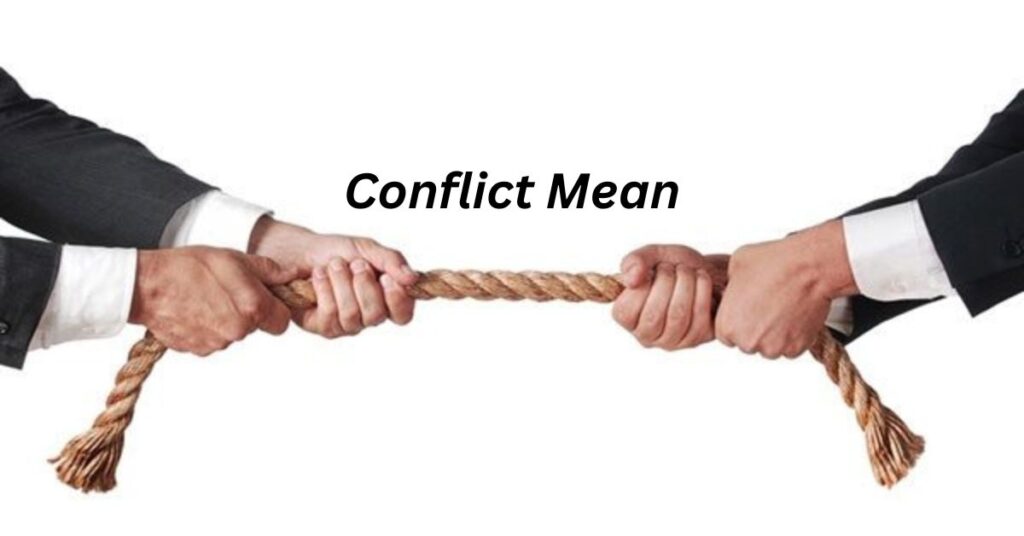
Conflict is an unavoidable part of human life, shaping our relationships, decisions, and even personal growth. But what does conflict really mean?
At its core, conflict refers to a clash of ideas, interests, values, or needs between individuals, groups, or even within ourselves.
It can appear as a heated argument with a coworker, a disagreement among friends, or an inner struggle over a tough decision.
\Understanding conflict is essential because it not only highlights differences but also offers opportunities for learning, compromise, and stronger connections.
By exploring its types, causes, and effects, we can better recognize conflict when it arises and handle it effectively. Whether in personal life, workplaces, or society at large, conflict plays a pivotal role in shaping outcomes and fostering growth.
This article will break down the meaning of conflict, its various forms, and strategies to navigate it successfully.
The Definition of Conflict
Conflict, at its simplest, is a situation where two or more parties experience opposition due to differences in goals, values, needs, or perspectives. It is not limited to arguments or fights; conflict can also be subtle, like feeling torn between personal choices or struggling to meet competing responsibilities. In everyday life, conflict may appear in a disagreement with a friend over plans, tension with a coworker over responsibilities, or an internal debate about a difficult decision.
From a broader perspective, conflict can be classified into interpersonal, intrapersonal, intergroup, and even international conflict, each with unique characteristics. Interpersonal conflict occurs between individuals, often triggered by miscommunication or clashing personalities. Intrapersonal conflict happens within oneself, such as when making ethical decisions or choosing between competing priorities. Intergroup conflict arises between teams, organizations, or communities, while international conflict can involve countries or large-scale political disputes.
Conflict is also a key concept in literature and psychology. In stories, it drives the plot by challenging characters and creating tension, while in psychology, it is studied to understand human behavior, decision-making, and emotional responses. Understanding the definition of conflict is the first step toward recognizing it in real life. By identifying its presence and nature, individuals can approach disagreements more thoughtfully, turning potential friction into opportunities for problem-solving, growth, and stronger relationships.
Types of Conflict
Conflict can take many forms, and understanding its types helps us recognize and manage it more effectively. Broadly, conflict can be categorized into interpersonal, intrapersonal, intergroup, and international conflict.
Interpersonal conflict occurs between individuals. This is the most common type, often arising from differences in opinions, personalities, or goals. For example, coworkers may disagree on a project approach, or friends might clash over a misunderstanding. These conflicts can range from minor disagreements to major disputes affecting relationships.
Intrapersonal conflict happens within a single person. It involves internal struggles, such as deciding between two career paths, choosing between right and wrong, or balancing personal and professional priorities. This type of conflict can create stress but also encourages self-reflection and personal growth.
Intergroup conflict arises between different teams, departments, communities, or organizations. Competition for resources, differing goals, or contrasting group cultures often trigger it. For instance, two departments in a company may compete for budget allocation, leading to tension and reduced collaboration.
Finally, international conflict occurs on a larger scale, involving nations or large political groups. These conflicts may stem from disputes over territory, resources, or political ideologies and can have wide-reaching social, economic, and humanitarian consequences.
By recognizing these types of conflict, individuals and groups can better understand their sources and address them proactively. Each type presents unique challenges but also opportunities for learning, communication, and growth when handled effectively.
Causes of Conflict
Understanding the causes of conflict is essential for managing and resolving it effectively. Conflict often arises when differences, misunderstandings, or competing needs create tension between individuals, groups, or even within ourselves. One of the most common causes is differences in values, beliefs, or goals. People naturally have unique perspectives, priorities, and expectations, which can clash when not communicated clearly. For example, a team member prioritizing speed may conflict with another focused on quality.
Miscommunication or lack of communication is another major trigger. When messages are misunderstood, assumptions are made, or important information is omitted, tension can escalate quickly. Simple misunderstandings can turn into prolonged disputes if not addressed early.
Competition for resources such as money, time, attention, or recognition can also fuel conflict. In workplaces, schools, or families, limited resources create natural tension when multiple parties seek the same outcomes.
Personality clashes and emotional triggers contribute significantly as well. Differences in temperament, habits, or communication styles can lead to frustration and disagreement. Similarly, stress, fear, or past experiences can intensify reactions, making minor disagreements feel more significant.
Finally, cultural and societal differences can play a role. Variations in norms, values, or traditions can lead to misunderstandings or opposing viewpoints. Recognizing these causes helps individuals approach conflicts with empathy and understanding, enabling more effective communication and solutions. By identifying what sparks a conflict, it becomes easier to prevent escalation and find mutually beneficial resolutions.
Effects of Conflict
Conflict can have both negative and positive effects, depending on how it is managed. On the negative side, unresolved conflict often leads to stress, frustration, and damaged relationships. For individuals, ongoing disagreements can cause emotional strain, anxiety, or even depression. In workplaces, conflicts may reduce productivity, harm team morale, and create a toxic environment if left unaddressed. Similarly, in families or friendships, persistent disputes can weaken trust and communication, sometimes causing long-term resentment.
However, conflict is not inherently bad. When approached constructively, it can have positive effects that promote growth and improvement. For example, conflict encourages open dialogue, critical thinking, and problem-solving. By addressing differences, people can develop stronger communication skills, empathy, and understanding of diverse perspectives. In teams, healthy conflict can lead to better decisions, innovative solutions, and stronger collaboration as members challenge assumptions and explore alternatives.
Conflict also plays a role in personal development. Intrapersonal conflict internal struggles over choices or values can lead to self-reflection and emotional growth. By navigating difficult situations, individuals learn resilience, patience, and how to manage their emotions effectively.
In essence, the effects of conflict depend on recognition and response. Left unchecked, it can be harmful, but when managed thoughtfully, conflict becomes an opportunity for growth, stronger relationships, and improved decision-making. Understanding its dual nature is crucial for turning challenging situations into positive outcomes.
Conflict in Literature and Psychology
Conflict is not only a part of everyday life but also a central concept in literature and psychology. In literature, conflict serves as the driving force of a story, creating tension and compelling readers to engage with the narrative. It appears in various forms, such as man versus man, man versus self, man versus society, or man versus nature. For instance, a protagonist struggling against an antagonist illustrates interpersonal conflict, while internal dilemmas reveal intrapersonal conflict. These literary conflicts help explore human experiences, moral challenges, and emotional growth, making stories relatable and meaningful.
In psychology, conflict is studied to understand human behavior, decision-making, and emotional responses. Psychologists examine how individuals handle disagreements, stress, and competing needs. Intrapersonal conflict, such as moral dilemmas or conflicting desires, can trigger stress but also encourage self-reflection and growth. Interpersonal conflict highlights differences in communication styles, values, and personality traits. By analyzing these patterns, psychologists develop strategies for conflict resolution, stress management, and emotional regulation.
Conflict in both literature and psychology underscores its role in learning and development. While literature illustrates how conflict shapes character and story, psychology reveals how it shapes human behavior and relationships. Recognizing these dynamics in real life allows individuals to approach disagreements thoughtfully, manage emotions, and turn conflicts into opportunities for personal and social growth. Ultimately, conflict is both a challenge and a catalyst for understanding human nature.
How to Recognize Conflict
Recognizing conflict early is essential to prevent escalation and address issues effectively. Conflict doesn’t always appear as an obvious argument; it can be subtle, hidden in behaviors, emotions, or communication patterns. One of the first signs of conflict is tension a feeling of discomfort or unease in interactions with others. This may show as avoidance, sarcasm, passive-aggressive behavior, or frequent disagreements over small matters.
Another indicator is miscommunication. When conversations consistently lead to misunderstandings, interruptions, or defensive reactions, it often signals underlying conflict. People may feel unheard, unappreciated, or frustrated, which can escalate disagreements if left unaddressed.
Emotional cues also reveal conflict. Feelings of anger, resentment, jealousy, or stress are often linked to unresolved disagreements. Paying attention to one’s own emotions, as well as others’, helps in identifying potential issues before they intensify.
In group or organizational settings, signs of conflict can include reduced collaboration, decreased productivity, or repeated clashes between team members. Even silence or withdrawal can be a form of conflict, indicating discomfort or unresolved tension.
Recognizing conflict early allows for proactive measures, such as open communication, empathy, and problem-solving, which can prevent negative consequences. By observing behaviors, emotions, and communication patterns, individuals can identify conflict in both personal and professional settings. Awareness is the first step toward resolving disagreements constructively and turning potential friction into opportunities for understanding and growth.
Conflict Resolution Strategies
Effectively managing conflict requires understanding and applying strategies that promote resolution rather than escalation. One of the most important approaches is open communication. This involves expressing thoughts and feelings honestly while remaining respectful. Active listening plays a key role, as it ensures all parties feel heard and understood, reducing misunderstandings that often fuel conflict.
Empathy and perspective-taking are also essential. By trying to understand the other person’s viewpoint, individuals can identify shared goals, address concerns, and reduce emotional tension. Recognizing emotions both one’s own and others’ helps prevent reactive responses and fosters collaborative problem-solving.
Negotiation and compromise offer practical solutions. Instead of insisting on one’s own way, finding middle ground allows both parties to meet essential needs. This approach is especially effective in workplaces, friendships, and family dynamics, where ongoing relationships are valuable.
A problem-solving approach focuses on addressing the root cause rather than blaming others. Identifying the source of conflict and brainstorming solutions collaboratively can turn disagreements into opportunities for innovation and growth.
Additional tips include staying calm, avoiding personal attacks, and setting boundaries when needed. In situations involving larger groups or persistent disputes, mediation or professional guidance may be helpful.
Ultimately, conflict resolution is a skill that can be developed over time. By applying these strategies thoughtfully, individuals can transform potentially negative situations into opportunities for better communication, stronger relationships, and personal growth.
Turning Conflict into Growth
While conflict is often seen as negative, it can be a powerful catalyst for personal and professional growth when approached constructively. The key lies in recognizing that every disagreement or challenge carries lessons about communication, empathy, and self-awareness. For example, an argument with a colleague may reveal weaknesses in how you present ideas, while a personal disagreement with a friend or family member can highlight areas where active listening and compromise are needed.
Conflict also encourages self-reflection. Intrapersonal conflicts such as internal struggles over ethical decisions or competing priorities push individuals to examine their values, goals, and emotional responses. By facing these internal challenges, people can develop better decision-making skills, emotional intelligence, and resilience.
Additionally, conflict can strengthen relationships. When disagreements are handled with empathy and respect, they build trust and mutual understanding. Teams that embrace healthy conflict often become more innovative and collaborative, as diverse perspectives are explored rather than ignored.
Turning conflict into growth requires adopting a mindset that sees challenges as opportunities rather than threats. Strategies such as reflecting on the situation, seeking feedback, and focusing on solutions instead of blame help transform tension into meaningful learning. By viewing conflict as a natural and constructive part of life, individuals can navigate challenges more effectively, improve relationships, and emerge stronger, wiser, and more adaptable in both personal and professional contexts.
Common FAQs About Conflict
Conflict raises many questions for readers who want to understand and handle it better. One common question is: “Is all conflict bad?” The answer is no. While unresolved conflict can lead to stress, damaged relationships, or poor decision-making, conflict itself is natural and often beneficial. It can encourage critical thinking, self-reflection, and stronger communication, especially when managed constructively.
Another frequently asked question is: “How do I handle conflict at work or with friends?” Handling conflict effectively involves open communication, empathy, and active listening. It’s important to express your perspective calmly, consider the other person’s point of view, and focus on finding mutually acceptable solutions. Avoiding blame, staying calm, and addressing issues early can prevent escalation.
Many people also ask: “Can conflict improve my personal growth?” Absolutely. Experiencing conflict both internal and external provides opportunities to understand emotions, improve decision-making, and develop problem-solving skills. Intrapersonal conflicts, such as moral dilemmas or competing priorities, teach self-awareness and resilience, while interpersonal conflicts enhance social and communication skills.
Other questions include: “What is a healthy conflict?” and “How do I prevent conflicts from escalating?” Healthy conflict is constructive, focused on solving problems rather than attacking individuals. Preventing escalation requires awareness, patience, and a willingness to collaborate and compromise.
Understanding common concerns about conflict empowers individuals to approach disagreements thoughtfully, turning challenging situations into opportunities for learning, growth, and stronger relationships.
Conclusion
Conflict is an inherent part of human life, appearing in personal relationships, workplaces, communities, and even within ourselves.
Understanding what conflict means is the first step toward managing it effectively. While it often carries negative connotations, conflict is not inherently bad; it is a signal of differences that need attention, communication, and understanding.
Recognizing conflict early, identifying its causes, and applying constructive strategies can prevent escalation and turn potential disagreements into opportunities for growth.
Throughout this article, we explored the definition of conflict, its various types interpersonal, intrapersonal, intergroup, and international and the common causes that spark tension.
We also examined the effects of conflict, showing how it can be both harmful and beneficial depending on how it is handled.
Insights from literature and psychology illustrate that conflict is not only a challenge but also a catalyst for learning, self-reflection, and stronger relationships.
Practical strategies, such as open communication, active listening, empathy, negotiation, and problem-solving, are essential tools for resolving conflicts constructively.
Moreover, viewing conflict as an opportunity for personal and professional development encourages self-awareness, resilience, and improved social skills.
In essence, conflict is a natural, inevitable, and even valuable part of life.
By approaching it thoughtfully and proactively, individuals can transform disagreements into meaningful experiences, strengthen relationships, and foster growth.
Embracing conflict as a learning opportunity empowers us to navigate challenges with confidence, understanding, and wisdom.

Nikki Jorton is a Norwegian-born transgender woman and content creator who became publicly known through her relationship and marriage to American comedian and radio personality Jim Norton. The two met online and developed a long-distance relationship that faced significant immigration and legal challenges before Nikki was able to move to the United States. Their journey, marked by persistence and openness, attracted media attention for its honesty and unconventional nature. The couple married in October 2023 and now live together in New York City.