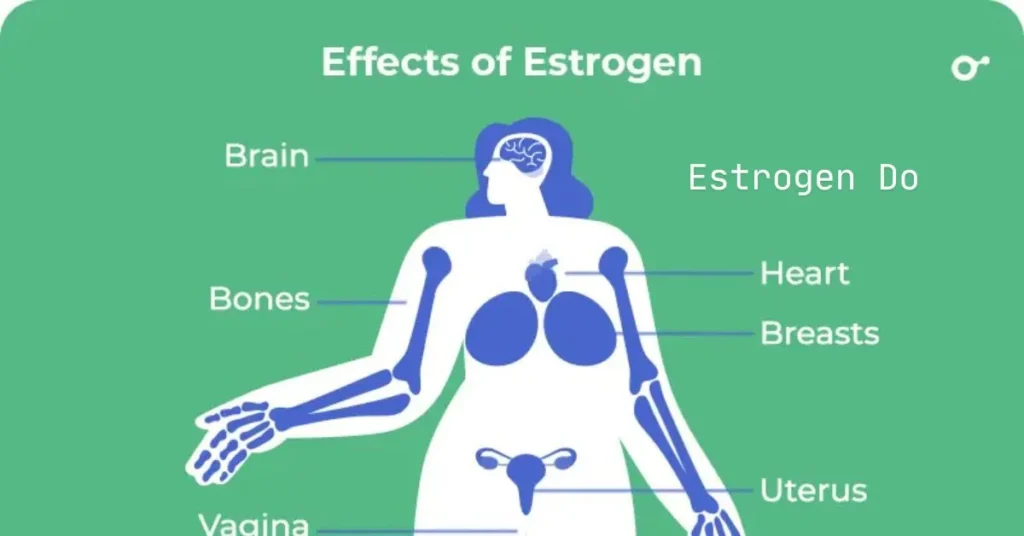
Estrogen is one of the most important chemical messengers in the human body, yet many people only associate it with reproductive health.
In reality, estrogen plays a vital role in both people of all genders , influencing everything from bone strength and heart health to brain function and mood. It is a key endocrine regulator that helps control growth, development, and overall bodily balance throughout life.
Often referred to as a “female chemical messenger,” estrogen is responsible for the development of secondary sexual characteristics during puberty and for regulating menstrual cycles and fertility.
However, its effects go far beyond reproduction. Estrogen supports healthy skin and hair, helps maintain strong bones, and plays a protective role in cardiovascular health.
Understanding what estrogen does is essential because imbalances—whether too high or too low—can lead to noticeable physical and emotional symptoms.
By learning how estrogen works in the body, you can better understand its impact on your health and why maintaining balanced levels is so important.
What Is Estrogen?
Estrogen is a group of signaling molecules that play a central role in regulating many essential functions in the body. It is best known for its involvement in female reproductive health, but it is also important for men and affects multiple organs and systems. Estrogen acts as a biochemical messenger, traveling through the bloodstream and binding to receptors located in tissues such as the brain, bones, heart, breasts, and reproductive organs. Once it binds, it helps control how cells grow, function, and respond to other body chemicals.
There are three main types of estrogen naturally found in the body. Estradiol is the most potent and common form in people of all genders during reproductive years, playing a major role in menstrual cycles, fertility, and overall balance. Estrone is a weaker form and becomes the dominant type after menopause. Estriol is the weakest form and is primarily produced during pregnancy, supporting fetal development and preparing the body for childbirth.
Estrogen is mainly produced in the ovaries, but smaller amounts are also made in the adrenal glands and fat tissue. In men, estrogen is produced through the conversion of testosterone. Because estrogen affects so many systems, maintaining healthy levels is essential for long-term physical, mental, and reproductive health.
Key Functions of Estrogen in Individuals
Estrogen plays a critical role in human health, influencing physical development, reproductive function, and overall well-being. One of its primary functions is regulating the menstrual cycle. Estrogen helps thicken the uterine lining each month in preparation for a potential pregnancy and works closely with other signaling chemicals to control ovulation and fertility. Without adequate estrogen, menstrual cycles can become irregular or stop altogether.
Beyond reproduction, estrogen is essential for maintaining strong bones. It helps regulate the balance between bone formation and breakdown, reducing the risk of osteoporosis and fractures. This is why a decline in estrogen levels, especially during menopause, is often linked to decreased bone density and higher fracture risk.
Estrogen also supports cardiovascular health by helping keep blood vessels flexible and promoting healthy cholesterol levels. This protective effect may explain why premenopausal individuals generally have a lower risk of heart disease compared to men of the same age.
In addition, estrogen contributes to healthy skin and hair by supporting collagen production and skin elasticity. It also plays a role in brain function, helping regulate mood, memory, and cognitive performance. Through these wide-ranging effects, estrogen is vital for both physical health and emotional balance in people of all genders.
Estrogen’s Role in Men
Although estrogen is often labeled as a female chemical messenger, it is also essential for men’s health. Men naturally produce estrogen in smaller amounts, mainly through the conversion of testosterone into estrogen by an enzyme called aromatase. This balanced interaction between testosterone and estrogen is important for maintaining overall bodily balance.
One of estrogen’s key roles in men is supporting bone strength. It helps regulate bone remodeling and prevents excessive bone loss. Low estrogen levels in men have been linked to decreased bone density and a higher risk of osteoporosis and fractures, especially with aging.
Estrogen also plays an important role in brain function and emotional regulation. It contributes to cognitive performance, memory, and mood stability. When estrogen levels are too low or too high, men may experience mood swings, irritability, or difficulty concentrating.
In addition, estrogen supports cardiovascular health by helping maintain healthy blood vessels and cholesterol balance. It also influences sexual health by contributing to libido and erectile function. While excessive estrogen can negatively affect testosterone-related effects, such as muscle mass, having too little can also be harmful. Maintaining a healthy balance between estrogen and testosterone is crucial for men’s physical health, mental well-being, and long-term vitality.
Symptoms of Low Estrogen
Low estrogen levels can affect the body in many noticeable ways, especially in women, though men can experience symptoms as well. One of the most common signs is irregular or missed menstrual periods. In some cases, periods may become lighter or stop completely, which can also impact fertility. Hot flashes and night sweats are frequently associated with declining estrogen levels, particularly during perimenopause and menopause.
Emotional and mental changes are another major indicator of low estrogen. Many people experience mood swings, increased anxiety, irritability, or feelings of depression. Estrogen plays a role in regulating brain neurotransmitters, so reduced levels can affect emotional balance and mental clarity. Fatigue and low energy are also common complaints.
Low estrogen can negatively affect bone health by accelerating bone loss, increasing the risk of osteoporosis and fractures over time. Joint pain and stiffness may also occur. Additionally, changes in skin and hair are common, including dry skin, thinning hair, and reduced skin elasticity due to lower collagen production.
Other symptoms may include vaginal dryness, decreased libido, sleep disturbances, and difficulty concentrating. Because these symptoms can overlap with other conditions, consulting a healthcare professional for proper testing and diagnosis is important. Identifying low estrogen early can help prevent long-term health complications and support overall well-being.
Symptoms of High Estrogen
High estrogen levels, often called estrogen dominance, can disrupt the body’s natural balance and lead to a wide range of physical and emotional symptoms. One noticeable sign is unexplained weight gain, particularly around the hips, thighs, and abdomen. Many people with high estrogen also experience bloating and water retention, causing discomfort.
Changes in mood are another common symptom. Elevated estrogen can contribute to anxiety, irritability, mood swings, and difficulty managing stress. Fatigue and trouble concentrating may also occur, as estrogen influences brain chemistry and emotional regulation.
In all genders, high estrogen can affect menstrual health. Symptoms may include heavy or prolonged periods, irregular cycles, severe PMS, and breast tenderness. In some cases, high estrogen may contribute to fibroids or endometriosis. Men with elevated estrogen levels may experience reduced testosterone-related effects, lower libido, and development of breast tissue.
High estrogen has been linked to an increased risk of certain health concerns, including blood clots and hormone-sensitive conditions. Causes can include obesity, medications, or environmental exposures. Identifying the root cause is essential for restoring balance and reducing long-term risks.
Causes of Estrogen Imbalance
Imbalance occurs when the body produces too much or too little estrogen, affecting people at different life stages. One common cause of low estrogen in women is menopause, when ovarian production declines. Other causes include premature ovarian failure, surgical removal of ovaries, extreme weight loss, excessive exercise, and chronic stress.
High estrogen can develop for several reasons. Excess body fat is a major factor, as fat tissue produces estrogen. Hormone therapy, birth control pills, and certain medications may also raise levels if not balanced. Environmental factors, such as exposure to endocrine-disrupting chemicals in plastics, pesticides, and personal care products, can further contribute.
In men, estrogen imbalance is often linked to aging, obesity, or conditions affecting testosterone. As testosterone declines, relative estrogen may rise, causing symptoms of imbalance. Liver health is also important, as it metabolizes and removes excess estrogen. Impaired liver function can lead to accumulation.
Understanding the causes of imbalance is key to effective treatment. Identifying lifestyle, medical, or environmental factors allows targeted interventions to support healthier regulation and long-term well-being.
How to Maintain Healthy Estrogen Levels
Maintaining healthy estrogen is essential for hormonal balance and overall health. One effective way is proper nutrition. A diet rich in whole foods such as fruits, vegetables, lean proteins, and healthy fats provides nutrients needed for endocrine regulation. Foods containing phytoestrogens, like flaxseeds, soy, legumes, and whole grains, may help support balance when consumed in moderation.
Regular exercise plays a significant role. Physical activity helps reduce excess fat, lowering high oestriol levels, and supports overall endocrine function. Strength training and moderate cardiovascular exercise are particularly beneficial, while avoiding extreme workouts that can reduce estriol.
Managing stress is also key. Chronic stress increases cortisol, which can disrupt the balance of other chemical messengers, including estriol . Meditation, deep breathing, yoga, and adequate sleep can help regulate stress and support estrogen health.
Medical interventions may be necessary in some cases. Hormone therapy or supplements should be used under professional guidance. Regular checkups and testing ensure hormone remains in a healthy range.
Estrogen Across the Lifespan
Estrone levels naturally change throughout life, influencing growth, development, and health at every stage. During childhood, levels are low but rise during puberty. This increase is responsible for secondary sexual characteristics in girls, including breast development, wider hips, and the start of menstrual cycles. Oestrone also contributes to growth spurts and bone maturation during adolescence.
Throughout reproductive years, Oestrone regulates cycles, supports fertility, maintains bone density, heart health, and cognitive function. Levels fluctuate monthly in coordination with other body chemicals. During pregnancy, Oestriol rises to support fetal growth, uterine expansion, and childbirth preparation.
As individuals approach perimenopause and menopause, production declines, leading to hot flashes, mood changes, sleep disturbances, and higher risk of bone and heart disease. In men, levels change with age, often in relation to declining testosterone, affecting bones and metabolism.
Understanding estrogen across the lifespan highlights the importance of balance at every stage. Supporting healthy levels contributes to better physical health, emotional well-being, and overall quality of life.
Conclusion
Estrogen is far more than a reproductive chemical messenger; it is a vital regulator of overall health for both individuals. From supporting puberty and fertility to protecting bones, heart, brain, skin, and emotional well-being, estrogen influences nearly every major system in the body.
Its effects are felt across the lifespan, adapting to stages such as adolescence, reproductive years, pregnancy, and aging.
When levels are balanced, the body functions smoothly, promoting energy, stability, and long-term health. Imbalances—whether low or high—can lead to physical and emotional symptoms, including mood changes, weight fluctuations, bone loss, and reproductive issues. These are signals that the body’s chemical system needs attention.
The good news is that estrogen balance can often be supported through healthy lifestyle choices, including proper nutrition, regular exercise, stress management, and adequate sleep. Persistent or severe symptoms require medical evaluation for safe diagnosis and treatment.
Understanding estrogen empowers you to make informed decisions about your health. By recognizing its importance and staying attentive to bodily changes, you can take proactive steps to support balance, improve well-being, and maintain a resilient body throughout life.

Swaan was born in Cambridge, the eldest of three children of pathologist Meredith Blake Robson Swaan and his wife, Marjorie Dykes.
Swaan was educated at King’s College School, Cambridge, and then at Winchester College, a boarding independent school for boys in the city of Winchester in Hampshire, where he was an exhibitioner. He then studied zoology at Gonville and Caius College, Cambridge, where he graduated MA and PhD.