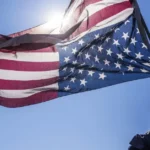
If you’ve ever seen the American flag displayed upside down, you probably paused and wondered what it meant.
Many people ask, what does an upside down American flag mean, and whether it’s a sign of protest, disrespect, or something more serious.
While it can spark strong emotions, the meaning actually has a specific historical and legal background.
However, in modern times, it has also appeared in political demonstrations and public debates.
In this article, we’ll explore the official meaning, legal status, historical origins, and modern interpretations to give you a clear, balanced understanding of this powerful national symbol.
What Does an Upside Down American Flag Symbolize?
The upside down American flag has a specific and historically recognized meaning. It is a serious visual alert indicating that something is critically wrong.
Much like a ship sending out an SOS, the inverted flag serves as a silent but powerful call for assistance. The symbolism communicates urgency, crisis, and a threat that cannot be ignored.
Over time, however, the meaning has expanded beyond its original intent. Some individuals and groups use the upside down flag to express that they believe the nation itself is in distress whether due to political decisions, social issues, or economic challenges. In these contexts, the flag becomes a symbolic statement rather than a literal emergency signal.
Because the American flag represents national identity, freedom, and unity, displaying it upside down carries emotional weight. Whether used in a true emergency or as symbolic protest, it sends a strong message that the situation is serious and demands attention.
What Does the U.S. Flag Code Say About Flying the Flag Upside Down?
The rules for displaying the American flag are outlined in the United States Flag Code, which provides guidelines for proper flag etiquette.
However, it’s important to understand that the Flag Code serves as an advisory set of guidelines rather than a criminal statute. While it encourages respectful treatment, it does not impose automatic penalties for violations. In most situations, displaying the flag upside down does not result in legal punishment.
Understanding what the Flag Code actually says helps clarify both the intended meaning and the boundaries of acceptable display.
Is It Illegal to Fly the American Flag Upside Down?
Many people wonder whether flying the American flag upside down is illegal. The answer is no, but the topic is often misunderstood. The United States Flag Code provides guidance on proper display, including flying the flag upside down only as a distress signal, but it does not impose criminal penalties. In other words, violating the Flag Code is generally a matter of etiquette, not law.
The protection of symbolic expression is further reinforced by the First Amendment. In the landmark case Texas v. Johnson, the Supreme Court of the United States ruled that burning the American flag as a form of political protest is protected speech. While this case involved flag burning, it established the principle that symbolic acts involving the flag are generally safeguarded under free speech laws, including flying it upside down as a form of expression.
Because of this legal protection, individuals may fly the flag upside down in protest, demonstration, or personal expression without fear of arrest. However, while legal, it often sparks strong public reactions.
In short, flying the American flag upside down is legal, even if controversial. The Flag Code advises restraint and proper context, but the Constitution allows individuals to use this display to make political, social, or symbolic statements. Understanding this distinction helps separate legal rights from social expectations.
Historical Use of the Upside Down Flag
The upside down American flag has a rich historical background, particularly in maritime and military contexts. Historically, sailors used inverted flags as a distress signal at sea, indicating that a ship was in grave danger and needed immediate assistance. For example, during wars or naval battles, displaying the flag upside down served as a silent signal to allies that a unit or ship faced extreme danger. This symbolic use emphasized urgency and the life-or-death nature of the situation without requiring verbal communication.
The tradition extends to early American history as well. Over time, the flag’s symbolic power grew, linking its inverted display to the broader idea of crisis or national alarm.
Today, although most people associate the upside down flag with political protests, understanding its historical roots helps clarify its original purpose. Rather than being inherently disrespectful, the practice historically represented a call for help, a signal of serious danger, and a universal symbol that transcended politics. This context is important when interpreting modern uses, especially in controversial or protest situations.
Modern Political and Protest Symbolism
In recent decades, the upside down American flag has often appeared in political protests and social movements, giving the symbol a broader, contemporary meaning beyond its original use as a distress signal. Activists and demonstrators sometimes display the flag inverted to communicate that they believe the nation is in a state of crisis whether due to political decisions, social injustice, economic challenges, or perceived threats to civil liberties. This modern use transforms the flag from a literal distress signal into a powerful statement about societal concerns.
High-profile instances of this practice have sparked public debate. When government buildings, public spaces, or media-covered protests feature an upside down flag, reactions often vary sharply. Critics, however, often see it as disrespectful to the nation, the military, or the flag itself, highlighting the tension between symbolism, patriotism, and protest.
Social media has amplified these debates, as images of inverted flags can quickly go viral, reaching audiences far beyond the original context. This widespread visibility has made the upside down flag a contemporary emblem of controversy, representing both protest and public dialogue about national identity.
Understanding this modern symbolism requires recognizing that the flag continues to carry strong emotional and cultural significance. While its official meaning as a distress signal remains, its use in protests shows how national symbols evolve, reflecting current social and political climates while maintaining historical resonance.
Is Flying the Flag Upside Down Disrespectful?
Its original purpose was to communicate urgent danger, not to insult or demean the nation. Understanding this historical context is key to separating intention from perception.
Some people view this as disrespectful, particularly if they see the flag as a sacred symbol of national pride, freedom, and the sacrifices of those who serve in the military. For many veterans and traditionalists, displaying the flag upside down outside of a genuine emergency can feel like an affront to the values and history it represents.
On the other hand, supporters of free expression argue that the flag’s symbolic power makes it a potent tool for highlighting national crises or social injustices. From this perspective, the inverted flag is not a sign of hate or disrespect but rather a form of symbolic speech, emphasizing concerns about political or social issues.
Public reactions often depend on the viewer’s understanding of the flag’s official meaning and the intent behind the display. While some see it as a provocative act, others see it as a legitimate, protected expression under the First Amendment.
When Is It Appropriate to Fly the Flag Upside Down?
Flying the American flag upside down is appropriate only in very specific circumstances.
Historically, this meant that ships at sea, military units, or local communities facing immediate threats could use the upside down flag to signal the need for urgent help. In these cases, the display is practical, symbolic, and universally understood as a plea for assistance. Outside of these emergencies, the flag’s official etiquette advises keeping it in its standard orientation to show respect.
In modern contexts, some individuals display the flag upside down as a form of political or social commentary. Misuse or unclear presentation can lead to public misunderstanding or controversy.
In short, the upside down flag is appropriate when signaling genuine distress or extreme danger, or when used deliberately as a protected form of symbolic expression with clear context. Understanding both the legal and historical framework ensures the display is respectful, meaningful, and aligns with its intended purpose.
Frequently Asked Questions
Many people have questions about the upside down American flag, especially regarding its meaning, legality, and proper use. Additionally, the First Amendment protects symbolic expression, including displaying the flag upside down in protest or as a form of political speech.
Another frequent question is: “What does it mean during a protest?” In modern times, an inverted flag often signals that the individual or group believes the nation is in a state of crisis.
People also ask: “Has the Supreme Court ruled on flag display laws?” Yes. The landmark case Texas v. This ruling reinforces that flying the flag upside down for symbolic purposes is legal, though it may provoke strong reactions.
Other common queries include whether flying the flag upside down is disrespectful, appropriate outside emergencies, or recognized internationally. While opinions vary, understanding the distinction between legal rights, historical meaning, and social perceptions helps clarify the flag’s use.
By addressing these FAQs, readers gain a clear understanding of the official meaning, legal protections, and modern interpretations of the upside down American flag, helping separate fact from misunderstanding.
Conclusion
The upside down American flag carries a meaning that is both historically significant and symbolically powerful.
Officially, under the United States Flag Code, it is a signal of dire distress used in situations of extreme danger to life or property.
Historically, this practice has roots in maritime and military contexts, where inverted flags served as urgent calls for help.
While some may perceive it as disrespectful, understanding the intent and historical context helps clarify its meaning.
Ultimately, the upside down American flag is a powerful symbol that communicates urgency, concern, or distress.
Whether used in a true emergency or as a form of protest, it carries weight and demands attention.
By separating legal protections, historical context, and public perception, we can appreciate the flag’s symbolism and interpret its display accurately, respecting both its significance and the freedom of expression it represents.

Swaan was born in Cambridge, the eldest of three children of pathologist Meredith Blake Robson Swaan and his wife, Marjorie Dykes.
Swaan was educated at King’s College School, Cambridge, and then at Winchester College, a boarding independent school for boys in the city of Winchester in Hampshire, where he was an exhibitioner. He then studied zoology at Gonville and Caius College, Cambridge, where he graduated MA and PhD.