Stomach discomfort, bloating, and changes in bowel movements can be alarming, and one potential culprit behind these symptoms is H. pylori, a common stomach bacterium.
Many people wonder if their stool appearance can reveal an H. pylori infection, but understanding what to look for requires accurate information.
While H. pylori poop may show changes in color, consistency, or the presence of mucus, these signs alone are not enough to confirm an infection.
Recognizing these patterns can, however, help you identify when it’s time to seek medical advice.
In this article, we’ll explore how H. pylori affects your digestive system, the possible changes in your stool appearance, other common symptoms, and the most reliable ways to get diagnosed and treated.
By the end, you’ll have a clear, medically-informed understanding of what your body might be signaling.
What is H. Pylori?
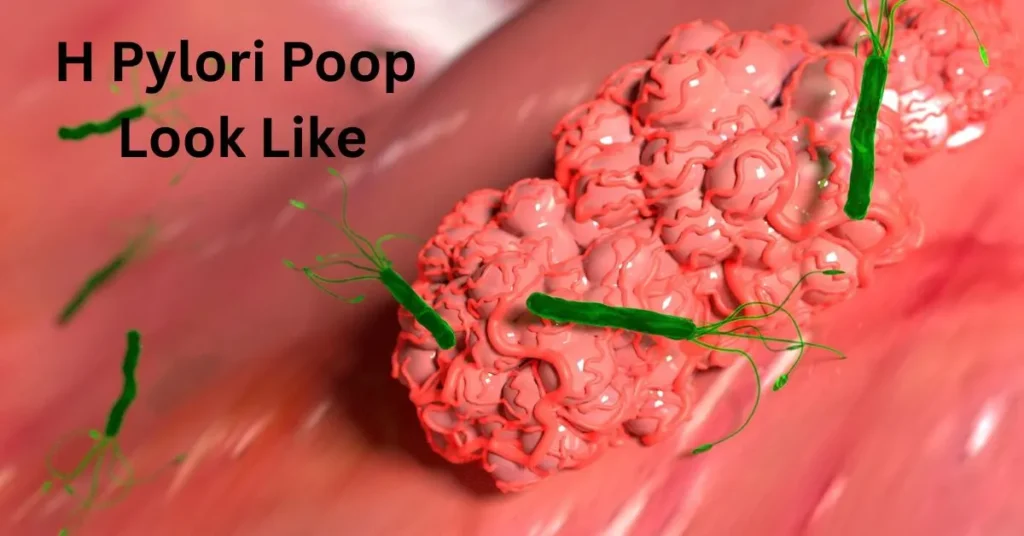
H. pylori (Helicobacter pylori) is a spiral-shaped bacterium that lives in the lining of the stomach and upper small intestine. It is one of the most common bacterial infections worldwide, affecting more than half of the global population at some point in their lives. Despite its prevalence, many people carry H. pylori without noticeable symptoms, which makes it easy to overlook.
This bacterium can survive the harsh acidic environment of the stomach by producing an enzyme called urease, which neutralizes stomach acid around it. Over time, H. pylori can damage the protective lining of the stomach, leading to inflammation, gastritis, and in some cases, peptic ulcers. Left untreated, it may contribute to more serious digestive issues, including an increased risk of stomach cancer, though this is relatively rare.
Common symptoms of H. pylori infection include bloating, frequent burping, nausea, abdominal discomfort, and a feeling of fullness after small meals. Some people also experience acid reflux, heartburn, or fatigue due to nutrient malabsorption.
While these symptoms are indicative, they are not exclusive to H. pylori infection. That’s why relying on stool appearance alone such as changes in color or consistency is not sufficient for diagnosis. Professional testing, like a stool antigen test, breath test, or endoscopy, is necessary to confirm the presence of H. pylori and determine the appropriate treatment.
How H. Pylori Affects Stool
One of the questions many people have is: “Can H. pylori change the way my poop looks?” While stool changes alone cannot confirm an infection, H. pylori can indirectly influence bowel movements due to its impact on the stomach and digestive system.
People with H. pylori may notice changes in stool color. Some report darker or tarry stools, which can occur if the infection causes minor bleeding in the stomach or ulcers. Others might experience pale or clay-colored stools if bile production or digestion is affected. Consistency can also vary loose, soft, or watery stools are not uncommon, especially if the infection causes inflammation or digestive disturbances. Some individuals may see mucus in the stool, which is a sign of irritation in the digestive tract.
It is important to note that these changes are not exclusive to H. pylori. Other conditions, such as irritable bowel syndrome, viral infections, or dietary factors, can also alter stool color and consistency. Therefore, while noticing unusual changes in your stool can be a helpful clue, it is not a definitive diagnostic tool.
Understanding the link between H. pylori and stool changes can help you identify potential warning signs. If you experience persistent changes in your bowel movements, especially dark or bloody stools, consulting a healthcare professional is crucial. Professional testing, such as a stool antigen test, breath test, or endoscopy, is required to confirm H. pylori infection and guide proper treatment.
Other Symptoms to Watch For
While changes in stool can be a clue, H. pylori infection affects more than just bowel movements. Being aware of other symptoms can help you identify a potential infection and seek timely medical care.
One of the most common signs is abdominal discomfort or pain, usually in the upper abdomen. This can range from mild, intermittent pain to persistent, dull aching, often worsening when the stomach is empty. Many people also experience bloating and excessive gas, which may contribute to feelings of fullness even after small meals. Frequent burping and heartburn are also common, as H. pylori disrupts the stomach’s normal acid balance.
Nausea or occasional vomiting may occur, especially after heavy or spicy meals. Some individuals notice loss of appetite or unintentional weight loss, which can happen if the infection interferes with digestion. In more severe cases, H. pylori can cause bleeding ulcers, leading to symptoms like fatigue or paleness due to anemia. Dark or bloody stools are a critical warning sign and should prompt immediate medical evaluation.
It’s important to remember that these symptoms vary between individuals. Some may experience only mild digestive discomfort, while others develop multiple signs simultaneously. Additionally, many of these symptoms overlap with other digestive conditions, such as gastritis, acid reflux, or irritable bowel syndrome.
Because of this, relying solely on symptoms or stool appearance is not enough for diagnosis. If you notice persistent abdominal pain, unusual stool changes, or other digestive symptoms, consulting a healthcare professional is essential for accurate testing and effective treatment.
Diagnosing H. Pylori
If you suspect an H. pylori infection, relying on stool appearance or symptoms alone is not enough. Accurate diagnosis requires medical testing to confirm the presence of the bacteria and determine the best course of treatment.
One of the most common methods is the stool antigen test, which detects H. pylori proteins in a sample of your feces. This test is non-invasive, convenient, and widely used to confirm active infection. Another frequently used method is the urea breath test. In this test, you ingest a substance containing urea, which H. pylori breaks down in the stomach, releasing a detectable gas. The presence of this gas indicates infection.
For more severe or persistent cases, doctors may recommend an endoscopy with biopsy. During this procedure, a small camera is inserted into the stomach to look for ulcers or inflammation, and a tissue sample is taken for laboratory testing. This method provides a detailed view of the stomach lining and can detect complications like ulcers or precancerous changes.
It’s important to consult a healthcare professional rather than self-diagnosing based on stool changes or digestive discomfort. Early diagnosis ensures proper treatment and helps prevent complications such as peptic ulcers or chronic gastritis.
Remember, timely testing and diagnosis are essential. If you notice persistent digestive symptoms, unusual stool changes, or any signs of bleeding, reach out to your doctor promptly. Accurate testing is the only reliable way to confirm H. pylori infection and guide effective treatment.
Treatment and Management
Once an H. pylori infection is confirmed, prompt treatment is essential to prevent complications such as ulcers or chronic gastritis. The standard approach combines antibiotics with acid-reducing medications to effectively eliminate the bacteria and promote healing of the stomach lining.
Typically, doctors prescribe triple or quadruple therapy. Triple therapy includes two antibiotics plus a proton pump inhibitor (PPI), which reduces stomach acid to create an environment less favorable for H. pylori. Quadruple therapy adds bismuth, a compound that helps protect the stomach lining and further supports bacterial eradication. It is crucial to complete the full course of medication, even if symptoms improve, to ensure the infection is fully cleared.
Alongside medical treatment, dietary and lifestyle adjustments can support recovery. Avoiding irritants like spicy foods, alcohol, caffeine, and nonsteroidal anti-inflammatory drugs (NSAIDs) can reduce stomach irritation. Eating smaller, balanced meals and incorporating gut-friendly foods like yogurt, fiber-rich vegetables, and fermented foods may also help maintain digestive health.
Patients usually notice symptom improvement within a few weeks, including reduced bloating, less discomfort, and normalization of bowel movements. However, follow-up testing is often recommended to confirm the infection has been fully eradicated.
In summary, successful management of H. pylori requires a combination of prescribed therapy and lifestyle adjustments. Early treatment not only resolves uncomfortable symptoms but also prevents more serious digestive complications in the long term.
Prevention and Long-Term Management
Preventing H. pylori infection and maintaining digestive health after treatment are essential for reducing the risk of reinfection and long-term complications. While H. pylori is common, simple hygiene practices can significantly lower your chances of infection. Washing hands thoroughly with soap and water, especially before meals and after using the restroom, is one of the most effective preventive measures. Avoiding contaminated food and water, and practicing safe food handling at home, can also reduce exposure.
For those who have been treated for H. pylori, regular follow-up with a healthcare provider is important. Follow-up tests, such as a stool antigen or breath test, confirm that the infection has been fully eradicated. This is particularly crucial for patients with ulcers or a history of recurrent digestive issues.
Lifestyle adjustments play a key role in long-term digestive health. Eating a balanced diet rich in fiber, fruits, vegetables, and fermented foods supports a healthy gut microbiome. Limiting irritants such as alcohol, caffeine, and NSAIDs can help prevent stomach lining irritation and reduce the risk of future issues. Managing stress and getting regular exercise may also support overall digestive function.
While H. pylori infections can recur in rare cases, maintaining good hygiene, monitoring digestive health, and promptly addressing any unusual symptoms can help keep your stomach healthy. By combining prevention strategies with proper medical care, you can minimize the risk of reinfection and ensure long-term digestive wellness.
When Stool Changes Require Immediate Attention
While changes in stool appearance can sometimes be mild and temporary, certain signs may indicate a more serious issue requiring immediate medical attention. Recognizing these red flags is crucial for preventing complications and ensuring timely treatment.
One of the most concerning signs is dark, black, or tarry stools, which can indicate internal bleeding in the stomach or upper digestive tract, often caused by ulcers associated with H. pylori infection. Similarly, bright red blood in the stool is a warning sign that should never be ignored, as it may signal active bleeding in the digestive system. Persistent watery diarrhea or unusually loose stools accompanied by abdominal pain, fever, or dehydration also require prompt evaluation.
Other symptoms that warrant urgent medical consultation include severe or worsening abdominal pain, unintentional weight loss, persistent nausea or vomiting, and fatigue that may suggest anemia from chronic bleeding. While stool changes can provide clues, they are rarely enough on their own to diagnose H. pylori or other digestive conditions accurately.
If you notice any of these red-flag symptoms, it’s important to contact a healthcare professional immediately. Medical evaluation may involve a combination of stool tests, blood work, imaging, or endoscopy to identify the cause and guide effective treatment. Early intervention not only addresses the current problem but also prevents potential complications like severe ulcers, chronic gastritis, or anemia.
Being aware of these warning signs empowers you to take control of your digestive health and seek timely care when needed.
Myths and Misconceptions
There are many misconceptions about H. pylori infections and the changes they cause in stool. Clearing up these myths is essential to prevent unnecessary worry and ensure proper treatment.
Myth 1: Stool appearance alone can confirm H. pylori.
Many people believe that noticing dark, pale, or unusual stools automatically means they have H. pylori. In reality, stool changes are not specific to this infection. Conditions like irritable bowel syndrome, viral infections, certain medications, and dietary changes can all affect stool color and consistency. Only professional testing such as a stool antigen test, breath test, or endoscopy can reliably confirm H. pylori.
Myth 2: Only adults get infected.
H. pylori can infect individuals of all ages, including children. While symptoms may vary, the bacteria can remain in the stomach for years if left untreated.
Myth 3: Natural remedies can fully cure H. pylori.
Some believe that probiotics, herbal supplements, or dietary changes alone can eradicate the infection. While such measures may support digestive health, they cannot replace prescribed antibiotic therapy, which is necessary to eliminate the bacteria effectively.
Myth 4: Infection always causes noticeable symptoms.
Many people carry H. pylori without experiencing any digestive discomfort. Symptoms like stool changes, bloating, or nausea may not appear immediately, making testing important for those at risk.
Understanding these misconceptions helps readers make informed decisions about their digestive health. Recognizing the limits of self-diagnosis and relying on professional evaluation ensures proper treatment and prevents complications associated with untreated H. pylori infections.
FAQs:
1. What does H. pylori poop look like?
H. pylori can sometimes cause changes in stool color and consistency, such as dark, pale, or soft stools, and occasionally mucus. However, these changes are not specific to H. pylori, so medical testing is needed for confirmation.
2. Can H. pylori cause diarrhea?
Yes, some people with H. pylori infection experience loose or watery stools due to inflammation in the stomach and digestive tract. Diarrhea alone is not a definitive sign of infection.
3. Are black stools a sign of H. pylori?
Dark or black stools can indicate bleeding in the stomach, which may be related to H. pylori-induced ulcers. This is a medical emergency, and you should consult a doctor immediately.
4. Can I diagnose H. pylori at home by looking at my poop?
No. While stool changes may provide clues, self-diagnosis is not reliable. Only professional tests like stool antigen tests, breath tests, or endoscopy can confirm infection.
5. How is H. pylori treated?
Treatment usually involves a combination of antibiotics and acid-reducing medications. Completing the full course is essential to fully eradicate the bacteria. Lifestyle and dietary adjustments can support recovery.
6. Can H. pylori recur after treatment?
Recurrence is rare but possible. Good hygiene, safe food practices, and follow-up testing help prevent reinfection and maintain digestive health.
7. What other symptoms should I watch for?
Other common symptoms include abdominal pain, bloating, nausea, heartburn, fatigue, and unexplained weight loss. Severe or persistent symptoms should be evaluated by a healthcare professional.
Conclusion
Understanding how H. pylori affects your digestive system, including potential changes in stool appearance, is an important step in maintaining digestive health.
While H. pylori poop may show differences in color, consistency, or the presence of mucus, these signs alone are not reliable indicators of infection.
Stool changes should be considered alongside other symptoms, such as abdominal pain, bloating, nausea, and fatigue, to get a clearer picture of your digestive health.
Diagnosis is key. Professional tests like stool antigen tests, urea breath tests, and endoscopy are necessary to accurately detect H.
pylori and determine the severity of infection. Self-diagnosing based solely on stool changes can lead to unnecessary worry or delayed treatment.
Treatment is highly effective when prescribed correctly.
Antibiotics combined with acid-reducing medications can eradicate the bacteria, while lifestyle and dietary adjustments support the healing process.
Follow-up care ensures that the infection has been fully cleared and helps prevent recurrence.
Additionally, maintaining good hygiene, safe food practices, and regular medical check-ups can reduce the risk of infection or reinfection.
Being aware of red-flag symptoms such as dark or bloody stools, severe abdominal pain, or unexplained fatigue ensures timely medical attention and prevents complications.
By understanding the signs, myths, and proper management of H. pylori, readers can make informed choices, seek prompt treatment, and maintain long-term digestive wellness.
Awareness and professional care are the most reliable tools for protecting your stomach health.

Swaan was born in Cambridge, the eldest of three children of pathologist Meredith Blake Robson Swaan and his wife, Marjorie Dykes.
Swaan was educated at King’s College School, Cambridge, and then at Winchester College, a boarding independent school for boys in the city of Winchester in Hampshire, where he was an exhibitioner. He then studied zoology at Gonville and Caius College, Cambridge, where he graduated MA and PhD.