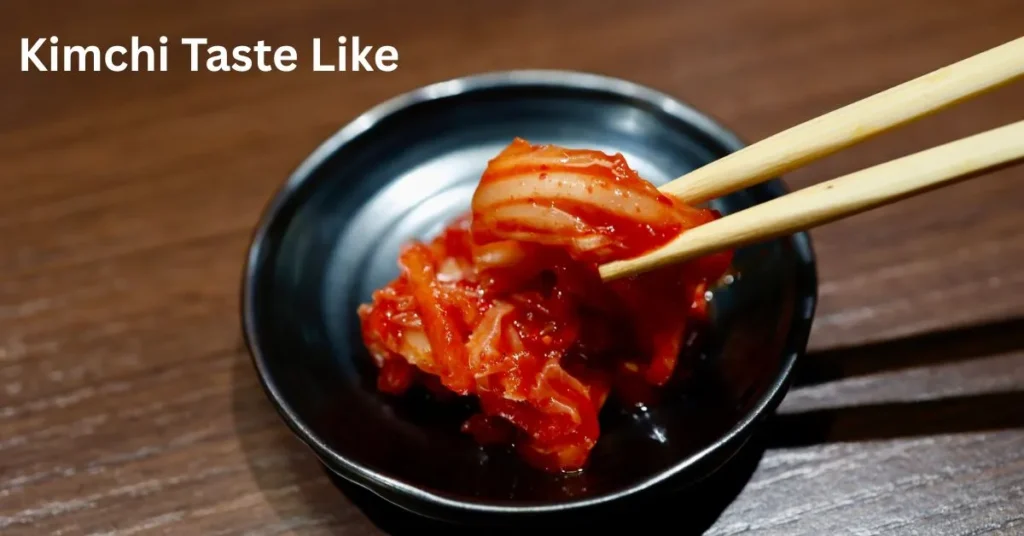
Kimchi, a cornerstone of Korean cuisine, is much more than just fermented cabbage it’s a vibrant explosion of flavors and textures that can surprise even the most adventurous eaters. For those encountering it for the first time, the question often arises:
what does kimchi taste like? Its unique flavor is the result of fermentation, a process that transforms simple ingredients like cabbage, radish, garlic, and chili into a tangy, spicy, and savory delight.
Depending on the recipe and how long it has fermented, kimchi can range from mildly tangy and crunchy to intensely pungent and deeply umami.
Beyond taste, its aroma, texture, and subtle sweetness all play a role in the sensory experience.
This guide will break down kimchi’s flavor profile, explore its different types, and provide tips for first-time tasters, helping you approach this iconic Korean dish with curiosity and confidence.
What Is Kimchi?
Kimchi is a traditional Korean dish made primarily from fermented vegetables, most commonly napa cabbage and Korean radishes. While many think of it simply as “spicy cabbage,” kimchi is far more complex in flavor, texture, and history. Its roots date back centuries in Korea, where fermentation was a vital method for preserving vegetables through harsh winters. Over time, kimchi evolved into a cultural staple, with each region and household developing its own signature recipes.
The basic ingredients include cabbage or radish, salt, chili powder (gochugaru), garlic, ginger, and often fish sauce or salted shrimp, which contribute to its distinctive umami flavor. The fermentation process is key to kimchi’s taste. As the vegetables sit in the seasoned brine, naturally occurring lactic acid bacteria break down sugars, producing the tangy, slightly sour flavor kimchi is known for. The longer the fermentation, the more pronounced the sourness becomes.
Kimchi is highly versatile, varying in spice, texture, and aroma. Some types are mild and crunchy, perfect for newcomers, while others are pungent, deeply fermented, and bursting with umami. Regional differences also play a role: northern Korean kimchi tends to be less spicy and saltier, while southern varieties are often hotter and more flavorful. Understanding what kimchi is sets the stage for truly appreciating its taste.
Kimchi Flavor Profile
Kimchi’s taste is a unique combination of flavors that dance together in every bite. At its core, kimchi is tangy and sour, a result of the lactic acid fermentation that naturally develops as the vegetables age. This sourness can range from mild and refreshing in freshly made kimchi to sharp and pungent in fully fermented varieties, giving each batch a distinctive character.
Spiciness is another defining feature, coming from Korean chili powder (gochugaru) or fresh chili peppers. Some kimchi packs a fiery punch that hits the palate immediately, while other recipes offer a gentle, warming heat that lingers subtly. This spiciness is often balanced with saltiness, derived from brining the vegetables and adding seasoning.
Kimchi also carries deep umami flavors thanks to fermented ingredients like fish sauce, salted shrimp, or anchovy paste. This savory quality adds richness and depth, making kimchi far more complex than typical pickled vegetables. Depending on the recipe, you may also notice slight sweet notes, either from added sugar, fruits like pear, or the natural sweetness of the cabbage and radish.
For first-timers, kimchi can be an intense sensory experience. It’s crunchy, juicy, pungent, and layered with flavors that develop over time. Comparing it to other fermented foods can help: it’s tangier than pickles, spicier than sauerkraut, and more robust than most fermented vegetables. Understanding this flavor profile allows you to approach kimchi with curiosity and appreciation, ready to experience its full complexity.
Texture and Mouthfeel
One of the most memorable aspects of kimchi is its texture, which plays as important a role as flavor in the overall eating experience. Freshly made kimchi often has a satisfying crunch, especially when napa cabbage or radish is used. This crispness provides a lively contrast to the tangy, spicy sauce coating the vegetables. Over time, as kimchi ferments, the crunch may soften slightly, but the brine adds a pleasant juiciness that enhances each bite.
The mouthfeel of kimchi is multi-layered. When first eaten, the cool crunch hits the palate, followed by the spicy, tangy sauce that spreads warmth and acidity. The fermentation process gives kimchi a subtle tingling sensation, sometimes described as effervescent, which adds to the sensory complexity. The combination of soft and firm textures creates a dynamic bite that keeps your mouth engaged.
Aroma also contributes to the mouthfeel experience. Kimchi’s pungent smell a mix of garlic, chili, and fermentation prepares the senses for its bold taste. While it can be strong at first, many find that the smell intensifies the perception of flavor, making each bite more satisfying.
Texture varies between kimchi types: cubed radish kimchi is firmer and crunchier, cucumber kimchi is lighter and refreshing, and fully fermented cabbage kimchi is softer but richer in flavor. Paying attention to texture allows first-timers to better appreciate kimchi, understanding why it’s not just a taste but a full sensory experience.
Types of Kimchi and Taste Differences
Kimchi is not a single dish but a category of fermented vegetables with diverse flavors and textures. The most common type is baechu kimchi, made from napa cabbage. It typically offers a balanced flavor tangy, slightly spicy, and umami-rich making it a favorite for both beginners and seasoned kimchi lovers. Its crunchy leaves absorb the seasoning well, creating a harmonious taste in every bite.
Another popular variety is kkakdugi, or cubed radish kimchi. Kkakdugi is firmer and crunchier than cabbage kimchi, with a sharper bite and a slightly stronger spiciness. Its dense texture allows it to hold up well in soups and stews, adding bursts of flavor without losing its crunch.
Oi sobagi, or stuffed cucumber kimchi, offers a lighter, refreshing taste. It’s less pungent than cabbage varieties and slightly sweeter, making it perfect for those trying kimchi for the first time. The cucumber’s crispness enhances the fresh, clean flavor, while the filling delivers the classic spicy-sour profile in a milder way.
Regional variations also impact taste. Northern Korean kimchi tends to be saltier and less spicy, emphasizing the natural flavors of the vegetables. Southern varieties are typically spicier and richer, often incorporating additional seasonings like fermented seafood or chili paste.
Other specialty kimchi types include chonggak (ponytail radish) kimchi and kimchi made with perilla leaves or mustard greens. Each offers a unique combination of spice, sourness, and umami. Exploring these varieties helps you understand how ingredients and preparation influence kimchi’s taste, revealing its incredible diversity.
How Fermentation Affects Taste
Fermentation is the heart of what makes kimchi so unique, shaping its flavor, aroma, and even texture. At its core, kimchi fermentation is a natural process where lactic acid bacteria break down sugars in vegetables, producing lactic acid, carbon dioxide, and other compounds. This process creates the signature tangy, sour taste that distinguishes kimchi from other pickled or fermented foods.
The length of fermentation dramatically impacts flavor. Fresh kimchi, which has fermented for just a day or two, tends to be mild, slightly sweet, and crunchy ideal for first-time tasters or those who prefer a gentle taste. Fully fermented kimchi, on the other hand, develops a stronger sourness and deeper umami, creating a robust, complex flavor that can be quite pungent. Many enthusiasts seek out aged kimchi for its intensity and depth.
Temperature also plays a role in taste development. Kimchi stored at room temperature ferments faster, producing a more pronounced sourness and aroma, while refrigerated kimchi ferments slowly, resulting in a milder, more controlled flavor. The type of ingredients used cabbage, radish, chili, or seafood also interacts with fermentation, influencing both taste and texture.
Understanding fermentation helps you anticipate how kimchi will taste at different stages. If you’re new to kimchi, starting with lightly fermented varieties can provide a more approachable introduction. For those seeking bold flavors, aged kimchi offers a complex, tangy, and spicy experience that is quintessentially Korean.
Comparing Kimchi to Other Fermented Foods
For those new to kimchi, understanding its taste can be easier by comparing it to other fermented foods. While kimchi shares similarities with pickled or fermented vegetables, it is far more complex in flavor, aroma, and texture.
Take sauerkraut, for example. Both kimchi and sauerkraut undergo lactic acid fermentation, giving them a tangy, sour note. However, kimchi is usually spicier, richer, and more aromatic due to ingredients like chili powder, garlic, ginger, and fish sauce. Sauerkraut tends to be milder, saltier, and less layered in flavor, making kimchi feel more intense for first-time eaters.
Pickles are another comparison. While pickles are also tangy and sometimes spicy, their flavor is often simpler, usually just sour and salty. Kimchi, in contrast, combines multiple taste elements sour, spicy, salty, umami, and sometimes sweet creating a dynamic and evolving flavor experience.
Even other fermented Asian foods, like Japanese tsukemono or Chinese pao cai, share the tanginess and crunch of kimchi but often lack its pronounced spiciness or pungent aroma. Kimchi’s combination of heat, fermentation, and aromatic depth sets it apart, offering a more robust sensory experience.
By comparing kimchi to foods you may already know, it becomes easier to anticipate its taste and appreciate its complexity. It is not just a fermented vegetable it is a layered, bold, and culturally rich dish that offers a truly unique culinary experience.
Tips for First-Time Kimchi Eaters
Trying kimchi for the first time can be exciting, but its bold flavors and pungent aroma can feel intense if you’re unprepared. The good news is that a few simple tips can make the experience enjoyable and approachable.
First, start with mild or fresh kimchi. Freshly made kimchi, which has only fermented for a short time, tends to be less sour and less pungent while still delivering the characteristic crunch and spice. This is ideal for easing your palate into kimchi’s complex flavor profile.
Second, pair kimchi with familiar foods. Serving it alongside rice, noodles, or soups can help balance the spiciness and sourness. Even adding a small portion to sandwiches, tacos, or stir-fries can introduce the taste without overwhelming your taste buds.
Third, take small bites at first. Kimchi’s combination of tangy, spicy, and umami flavors can be strong, so sampling in small amounts allows you to adjust to the intensity gradually.
Fourth, experiment with different types of kimchi. Some varieties, like cucumber kimchi (oi sobagi), are lighter and sweeter, while radish kimchi (kkakdugi) is crunchier and more robust. Exploring different types will help you discover which flavors and textures you enjoy most.
Lastly, don’t be intimidated by the aroma. Kimchi’s pungent smell is a natural part of its fermentation and usually becomes more appealing as your taste buds adapt. Approaching it with curiosity and patience allows you to fully appreciate this iconic Korean dish.
Health & Nutritional Benefits of Kimchi
Kimchi is not only celebrated for its bold flavors but also for its impressive health benefits, making it a nutritious addition to any diet. At its core, kimchi is a fermented food, which means it contains live probiotics beneficial bacteria that support gut health. These probiotics help improve digestion, maintain a healthy balance of gut flora, and can even strengthen the immune system.
The vegetables used in kimchi, such as napa cabbage and radish, are rich in vitamins A, C, and K, as well as dietary fiber. Fiber aids digestion and helps you feel full, while vitamins contribute to overall health, supporting skin, bone, and immune function. Ingredients like garlic and ginger bring additional antioxidants and anti-inflammatory compounds, which may help protect the body from oxidative stress and inflammation.
Kimchi is also low in calories but packed with flavor, making it an excellent choice for those seeking a healthy, satisfying side dish. The fermentation process enhances nutrient availability, making certain vitamins and minerals easier for the body to absorb.
It’s worth noting that while kimchi is nutritious, it can be high in sodium, especially traditional recipes. Moderation is key, and pairing kimchi with balanced meals helps manage salt intake.
Overall, kimchi is a delicious and functional food, offering not only a unique taste experience but also meaningful health benefits. Its combination of probiotics, vitamins, fiber, and antioxidants makes it a superfood in its own right, enhancing both flavor and wellness.
FAQs
1. What does kimchi taste like?
Kimchi has a unique combination of tangy, spicy, salty, and umami flavors. Depending on fermentation, it can range from mildly sour and crunchy to intensely pungent and deeply flavorful.
2. Is kimchi spicy?
Many types of kimchi have a noticeable spiciness from Korean chili powder (gochugaru), but the heat varies by recipe. Some kimchi varieties are mild, while others are quite fiery.
3. Why does kimchi taste sour?
The sourness comes from lactic acid fermentation, where bacteria break down sugars in the vegetables. The longer kimchi ferments, the more pronounced the sour taste becomes.
4. Does kimchi taste the same as sauerkraut?
No. While both are fermented, kimchi is usually spicier, more aromatic, and more complex, thanks to garlic, chili, and fermented seafood. Sauerkraut is typically milder and tangy without the layers of flavor.
5. Can I eat kimchi if I don’t like strong flavors?
Yes. Fresh or lightly fermented kimchi is milder, less pungent, and still crunchy, making it a good option for beginners or those sensitive to strong flavors.
6. How does kimchi taste when cooked?
Cooking kimchi, such as in stews or fried rice, softens the crunch and reduces pungency, while preserving its signature tangy, spicy, and umami flavors.
7. Does kimchi taste different depending on the type?
Absolutely. Napa cabbage kimchi is balanced, radish kimchi (kkakdugi) is firmer and spicier, and cucumber kimchi (oi sobagi) is lighter and refreshing. Regional variations also influence taste.
Conclusion
Kimchi is much more than a simple side dish it is a culinary experience that combines complex flavors, satisfying textures, and cultural history in every bite.
From its tangy, sour notes to its spicy kick and rich umami depth, kimchi’s taste is uniquely layered, offering something for both adventurous eaters and those new to fermented foods.
The crunch of fresh cabbage, the juiciness of radishes, and the subtle sweetness from natural ingredients all contribute to an unforgettable mouthfeel.
Understanding kimchi also means appreciating the science of fermentation.
The process transforms ordinary vegetables into a living food packed with probiotics, enhancing both taste and nutritional value.
Regional and ingredient variations make each type of kimchi distinctive whether it’s the mild, crisp napa cabbage kimchi, the firm and spicy cubed radish (kkakdugi), or the refreshing cucumber kimchi (oi sobagi).
These differences allow for endless exploration and enjoyment.
For first-time tasters, starting with mild kimchi and pairing it with familiar foods like rice or noodles can make the experience more approachable.
Over time, your palate can adapt to bolder flavors, allowing you to appreciate fully fermented varieties with their pungent aroma and robust taste.
Ultimately, kimchi is a celebration of flavor, texture, and tradition. Its combination of spice, sourness, crunch, and umami makes it a distinctive dish that not only excites the senses but also provides meaningful health benefits.
Whether you’re a seasoned foodie or trying it for the first time, kimchi invites you to explore, taste, and savor one of Korea’s most iconic foods.

Swaan was born in Cambridge, the eldest of three children of pathologist Meredith Blake Robson Swaan and his wife, Marjorie Dykes.
Swaan was educated at King’s College School, Cambridge, and then at Winchester College, a boarding independent school for boys in the city of Winchester in Hampshire, where he was an exhibitioner. He then studied zoology at Gonville and Caius College, Cambridge, where he graduated MA and PhD.