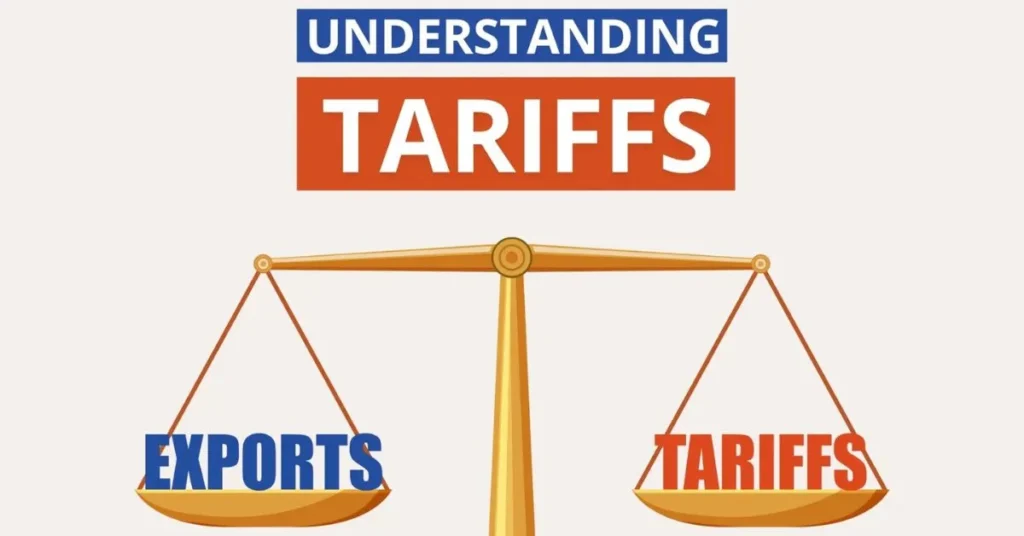
In today’s global economy, the prices of everyday goods from smartphones to groceries are often influenced by factors beyond our immediate control.
One key factor is the tariff, a tax imposed by a government on imported or exported goods.
Understanding what a tariff means is crucial for both consumers and businesses because it affects the cost of products, trade policies, and even international relations.
Tariffs are used for various reasons: some aim to protect domestic industries from foreign competition, while others generate government revenue or influence trade negotiations between countries.
They can take different forms, such as import tariffs, export tariffs, ad valorem tariffs, or specific tariffs, each with its own method of calculation and impact.
In this article, we will explore the meaning of tariffs, their types, history, economic impact, and real-world examples, helping you understand why tariffs play a vital role in shaping the global marketplace.
Understanding Tariffs
A tariff is essentially a tax imposed by a government on goods as they move across international borders. When a product is imported into a country, an import tariff may be applied, increasing the price of the item for consumers. Conversely, some countries impose export tariffs on goods leaving the country, often to regulate supply, control domestic prices, or raise revenue. Tariffs can take different forms, including ad valorem tariffs, which are calculated as a percentage of the product’s value, or specific tariffs, which are fixed fees charged per unit of goods.
The purpose of tariffs is multifaceted. Governments use them to protect local industries from foreign competition by making imported goods more expensive. They also serve as a source of revenue and can be leveraged in trade negotiations to influence other countries’ policies. However, tariffs can have complex effects: while they may protect domestic businesses, they can also raise costs for consumers and lead to retaliatory measures from trade partners.
Historically, tariffs have played a significant role in shaping global trade. For example, the Smoot-Hawley Tariff Act of 1930 in the United States, intended to protect local industries during the Great Depression, inadvertently contributed to a global trade slowdown. Understanding the definition, types, and historical context of tariffs is essential for grasping how governments use them to balance economic growth, industry protection, and international trade relations.
Types of Tariffs
Tariffs are not one-size-fits-all; governments use different types depending on their objectives. The most common distinction is between import tariffs and export tariffs. Import tariffs are taxes placed on goods entering a country, typically to protect domestic industries from foreign competition. For example, if a country imposes a tariff on imported steel, local steel producers may have a competitive advantage. On the other hand, export tariffs are applied to goods leaving a country, often to ensure sufficient domestic supply or to raise government revenue.
Another important classification involves protective tariffs versus revenue tariffs. Protective tariffs are specifically designed to shield local businesses from foreign competition by making imported goods more expensive. Conversely, revenue tariffs are primarily intended to generate income for the government rather than protect industries.
Tariffs can also differ based on how they are calculated. Ad valorem tariffs are levied as a percentage of the product’s value, meaning higher-priced items incur higher taxes. Specific tariffs, however, charge a fixed amount per unit of goods, regardless of price.
Understanding these distinctions is essential because each type of tariff affects the economy differently. While protective tariffs may support domestic jobs and industries, they can also increase consumer prices. Revenue tariffs provide governments with funds but may influence trade patterns and international relations. By knowing the types of tariffs, businesses and consumers can better anticipate how trade policies impact costs, supply chains, and market competition.
Tariffs vs Other Trade Barriers
While tariffs are the most well-known form of trade regulation, they are just one tool that governments use to control the flow of goods across borders. Quotas, for example, set a limit on the quantity of a particular product that can be imported or exported during a specific period. Unlike tariffs, which make goods more expensive, quotas directly restrict supply, potentially creating shortages or higher prices.
Another category is non-tariff barriers. These include regulations, licensing requirements, technical standards, and environmental or safety rules that foreign businesses must comply with before selling products in a country. While not taxes, non-tariff barriers can be just as effective as tariffs in limiting imports or protecting domestic industries.
The main difference between tariffs and these other barriers lies in their approach. Tariffs increase the cost of foreign goods, influencing consumer choices and market competitiveness indirectly. Quotas and non-tariff barriers, however, limit access or impose conditions, directly controlling trade volume or standards.
For example, an imported car might face a tariff that raises its price, while another country may impose strict safety standards that effectively prevent that car from being sold unless it meets local regulations. Both methods protect local markets, but the impact on businesses and consumers differs. Understanding the distinction between tariffs, quotas, and non-tariff barriers is crucial for interpreting trade policies and their effects on global commerce, pricing, and international business strategies.
How Tariffs Affect the Economy
Tariffs can have a wide-ranging impact on the economy, affecting consumers, businesses, and governments alike. For consumers, tariffs typically lead to higher prices on imported goods. When a tax is added to products coming from abroad, retailers often pass the increased cost onto buyers. This means items such as electronics, clothing, or food products can become more expensive, limiting choices or forcing consumers to switch to domestic alternatives.
For businesses, tariffs influence supply chains and competitiveness. Companies that rely on imported raw materials or components may face higher production costs, which can reduce profit margins or force them to raise prices. Domestic businesses may benefit in certain cases if tariffs protect them from cheaper foreign competition, but they also risk retaliation from other countries, which can restrict their export opportunities.
Governments benefit from tariffs by generating revenue that can fund public programs. Additionally, tariffs can be used as a strategic tool in international negotiations, encouraging other countries to adjust their trade policies or participate in trade agreements. However, over-reliance on tariffs can spark trade conflicts, known as trade wars, which may hurt both economies involved.
Ultimately, tariffs create a balancing act. They can protect domestic industries and support government revenue, but they may also lead to higher prices, limited choices, and international tensions. Understanding the economic effects of tariffs helps both businesses and consumers anticipate changes in costs, supply, and global trade dynamics.
Real-World Examples of Tariffs
Tariffs are not just theoretical concepts they have real-world implications that affect economies, businesses, and consumers worldwide. One of the most notable examples in recent history is the US-China trade war. Beginning in 2018, the United States imposed tariffs on hundreds of billions of dollars’ worth of Chinese goods, including electronics, machinery, and agricultural products. China responded with its own tariffs on American goods. This back-and-forth increased costs for businesses and consumers in both countries, disrupted supply chains, and caused significant volatility in global markets.
Another example is the European Union’s agricultural tariffs. To protect local farmers, the EU places tariffs on imported agricultural products such as sugar, dairy, and meat. While this shields domestic producers from foreign competition, it often results in higher prices for European consumers.
Emerging economies also use tariffs strategically. Countries like India and Brazil sometimes impose import tariffs to protect growing domestic industries, encourage local production, and reduce dependency on foreign goods.
These examples demonstrate that tariffs can be used as tools for economic policy, protectionism, or negotiation leverage. However, they also show the potential downsides: higher consumer prices, strained international relations, and uncertainty in global trade. By examining these real-world cases, it becomes clear that understanding tariffs is essential not only for policymakers but also for businesses and consumers who are affected by changes in trade policy.
Advantages and Disadvantages of Tariffs
Tariffs have both benefits and drawbacks, depending on the perspective of consumers, businesses, and governments. One of the main advantages of tariffs is that they protect domestic industries. By making imported goods more expensive, tariffs encourage consumers to buy local products, which can help preserve jobs and support economic growth within the country. Tariffs also provide government revenue, which can fund public services such as infrastructure, healthcare, and education. Additionally, tariffs can be used strategically in trade negotiations, allowing countries to exert influence over foreign trade policies.
However, there are several disadvantages to consider. Tariffs often increase prices for consumers, as businesses pass the additional cost of taxes onto buyers. This can reduce purchasing power and limit access to certain goods. For businesses that rely on imported raw materials, tariffs can raise production costs, potentially reducing competitiveness in global markets. Another drawback is the risk of trade wars: when one country imposes tariffs, trading partners may retaliate with their own tariffs, escalating tensions and disrupting international commerce.
Ultimately, tariffs are a double-edged sword. While they can support domestic industries and government finances, they can also lead to higher costs, trade conflicts, and economic inefficiencies. Understanding the advantages and disadvantages of tariffs helps policymakers make informed decisions and allows consumers and businesses to anticipate potential impacts on prices, trade, and economic stability.
Modern Trade Policy and Tariffs
In today’s interconnected world, tariffs are an important tool in shaping modern trade policy. While globalization has encouraged free trade and reduced barriers in many regions, governments still use tariffs strategically to protect industries, regulate imports, or influence trade negotiations. For example, countries often adjust tariffs as part of free trade agreements (FTAs), such as the United States–Mexico–Canada Agreement (USMCA), to balance market access and safeguard domestic industries.
Tariffs also play a role in managing protectionism versus free trade. Protectionist policies, including higher tariffs, aim to shield domestic industries from international competition, which can preserve jobs and foster local production. Conversely, countries that embrace free trade reduce tariffs to encourage cross-border commerce, increase competition, and lower consumer prices. Finding the right balance between these approaches is a central challenge for policymakers.
In addition, modern tariffs are often applied selectively, targeting specific sectors or products rather than being applied universally. For instance, recent technology and steel tariffs imposed by some nations were designed to protect strategic industries while minimizing disruption in other areas.
Understanding modern trade policy is essential because tariffs are no longer just economic tools they are also political instruments. They can influence international relations, trade negotiations, and global supply chains. Businesses, policymakers, and consumers alike need to be aware of how tariffs affect market access, pricing, and competitiveness in the global economy.
Future of Tariffs
The future of tariffs is closely tied to global economic trends, technological advancements, and evolving political priorities. As globalization continues, many countries are moving toward free trade agreements that reduce tariffs and encourage international commerce. Multilateral organizations like the World Trade Organization (WTO) promote trade liberalization, aiming to minimize barriers and create a more predictable environment for businesses and consumers.
At the same time, some nations are turning to protectionist policies to safeguard domestic industries, particularly in sectors considered strategic, such as technology, agriculture, or energy. This may result in targeted tariffs designed to protect jobs, reduce dependency on foreign suppliers, or encourage local manufacturing. The rise of global supply chains also complicates the impact of tariffs, as a single product often involves components from multiple countries. Even small tariff adjustments can ripple across industries worldwide.
Technological changes, such as e-commerce and automation, may also influence how tariffs are applied in the future. For example, digital products and services could see new forms of taxation and regulation, while advancements in logistics may alter the flow of goods, reducing the effectiveness of traditional tariffs.
Overall, the future of tariffs will likely involve a balance between free trade and protectionism, shaped by economic priorities, political decisions, and international cooperation. Businesses, consumers, and policymakers must stay informed about these developments to anticipate price changes, supply chain disruptions, and shifts in global trade dynamics. Understanding the trends and potential impacts of tariffs is essential in an increasingly interconnected economy.
Frequently Asked Questions
1. Are tariffs the same as taxes?
While tariffs are technically a type of tax, they are specifically applied to goods moving across international borders. Unlike income or sales taxes, tariffs are designed to regulate trade, protect domestic industries, or generate government revenue from imports and exports.
2. Do tariffs hurt consumers?
Yes, tariffs often lead to higher prices for imported goods. Businesses usually pass the cost of tariffs onto consumers, making everyday products more expensive. However, they can sometimes encourage the purchase of domestic alternatives, which may help local industries.
3. How do tariffs affect businesses?
Tariffs impact companies differently depending on their supply chain. Businesses that rely on imported materials may face higher production costs, while domestic producers may benefit from reduced foreign competition. However, retaliatory tariffs from other countries can also affect export-oriented businesses.
4. Can tariffs stop trade wars?
Tariffs are often used as a negotiation tool in trade disputes. While they can encourage countries to reconsider their trade policies, tariffs alone rarely resolve conflicts and can sometimes escalate tensions if both sides impose reciprocal measures.
5. What is the difference between tariffs and quotas?
Tariffs increase the cost of imported goods, while quotas limit the quantity of goods that can enter a country. Both protect domestic industries but operate in different ways.
6. Are tariffs always temporary?
Not necessarily. Some tariffs are temporary measures during economic crises or trade negotiations, while others are long-term policies aimed at protecting industries or maintaining government revenue.
Understanding these FAQs helps consumers, businesses, and policymakers navigate the complexities of tariffs and make informed decisions regarding trade, prices, and international commerce.
Conclusion
Tariffs are a fundamental component of international trade and economic policy, influencing the prices of goods, the competitiveness of industries, and global market dynamics.
By definition, a tariff is a tax imposed on imported or exported goods, and it can take various forms such as import tariffs, export tariffs, ad valorem tariffs, or specific tariffs.
While the primary goal of tariffs is often to protect domestic industries or generate government revenue, their effects ripple through economies, affecting consumers, businesses, and international relations.
Historically, tariffs have played a significant role in shaping trade policies and economic outcomes, from the Smoot-Hawley Tariff Act in the United States to modern trade disputes like the US-China trade war.
They can provide advantages, such as protecting jobs and supporting local businesses, but also carry disadvantages, including higher prices for consumers, potential trade conflicts, and supply chain disruptions.
Modern trade policy reflects a balance between free trade and protectionism, with governments strategically applying tariffs to achieve economic or political objectives.
Looking ahead, the future of tariffs will continue to evolve alongside globalization, technological advancements, and shifting geopolitical priorities.
For businesses and consumers, understanding tariffs is essential for anticipating changes in prices, market conditions, and international trade relationships.
By gaining a clear understanding of what tariffs are, how they work, and their advantages and disadvantages, readers can make more informed decisions in both economic and everyday contexts, navigating the global marketplace with confidence.

Nikki Jorton is a Norwegian-born transgender woman and content creator who became publicly known through her relationship and marriage to American comedian and radio personality Jim Norton. The two met online and developed a long-distance relationship that faced significant immigration and legal challenges before Nikki was able to move to the United States. Their journey, marked by persistence and openness, attracted media attention for its honesty and unconventional nature. The couple married in October 2023 and now live together in New York City.