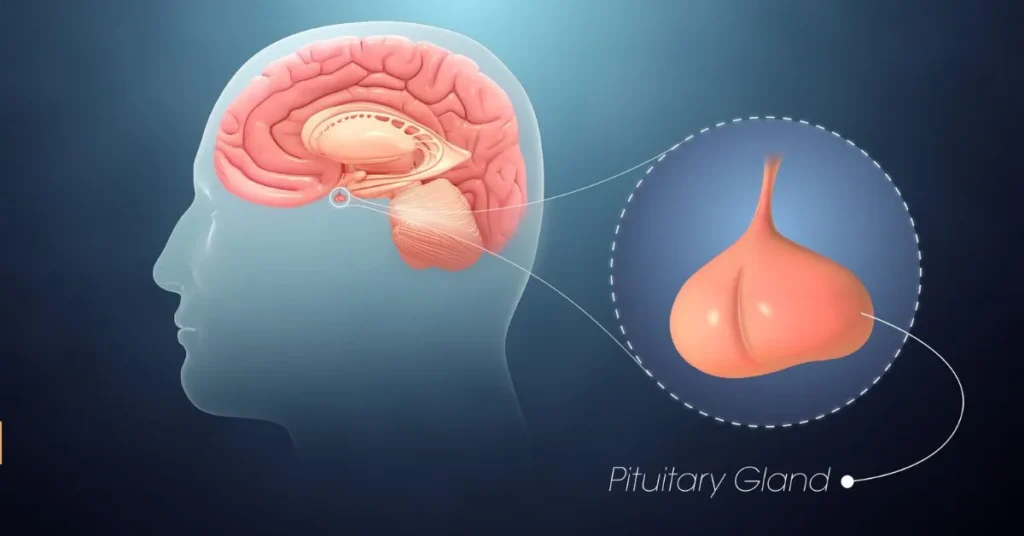
The pituitary gland, often called the “master gland” of the body, is a tiny but powerful organ that plays a crucial role in regulating hormones and maintaining overall health.
Located at the base of the brain, this pea-sized gland may be small in size, but it controls many vital functions by producing and releasing pituitary hormones that influence growth, metabolism, reproduction, and stress response.
From growth hormone (GH) that regulates body growth to thyroid-stimulating hormone (TSH) that affects metabolism, the pituitary gland acts as the command center of the endocrine system.
When the gland is not functioning properly, it can lead to a range of health issues, including hormonal imbalances, pituitary gland disorders, and even conditions like diabetes insipidus.
In this article, we will explore the functions, hormones, disorders, and importance of the pituitary gland, helping you understand why this small gland has such a big impact on your body.
What Is the Pituitary Gland?
The pituitary gland is a small, pea-sized organ located at the base of the brain, just below the hypothalamus and behind the bridge of the nose. Despite its tiny size about 1 centimeter in diameter it plays a central role in the endocrine system by regulating the body’s hormones. Often referred to as the “master gland,” the pituitary controls other glands such as the thyroid, adrenal glands, and reproductive organs, ensuring that hormone levels remain balanced for proper bodily functions.
Structurally, the pituitary gland is divided into two main parts: the anterior pituitary (adenohypophysis) and the posterior pituitary (neurohypophysis). The anterior pituitary is responsible for producing most of the gland’s hormones, including growth hormone (GH), thyroid-stimulating hormone (TSH), adrenocorticotropic hormone (ACTH), and reproductive hormones like luteinizing hormone (LH) and follicle-stimulating hormone (FSH). The posterior pituitary stores and releases hormones made by the hypothalamus, such as antidiuretic hormone (ADH) and oxytocin, which regulate water balance, childbirth, and bonding.
The pituitary gland communicates closely with the hypothalamus through a network of blood vessels known as the hypophyseal portal system, which allows precise control over hormone production. This connection ensures that the pituitary responds to the body’s needs in real time, adjusting hormone levels to maintain growth, metabolism, reproduction, and overall health. In short, although tiny, the pituitary gland is essential for keeping the body’s complex hormonal systems in balance.
Hormones Produced by the Pituitary Gland
The pituitary gland produces several vital hormones that regulate numerous functions in the body, making it the true “master gland” of the endocrine system. These hormones are divided between the anterior pituitary and posterior pituitary, each with distinct roles.
The anterior pituitary produces the majority of pituitary hormones. Growth hormone (GH) stimulates body growth, muscle development, and metabolism. Thyroid-stimulating hormone (TSH) prompts the thyroid gland to release hormones that control energy levels and metabolic rate. Adrenocorticotropic hormone (ACTH) signals the adrenal glands to produce cortisol, a hormone essential for stress response. Reproductive hormones, luteinizing hormone (LH) and follicle-stimulating hormone (FSH), regulate menstrual cycles in women and sperm production in men. Prolactin is another anterior pituitary hormone, responsible for milk production in breastfeeding women.
The posterior pituitary stores and releases hormones produced by the hypothalamus. Antidiuretic hormone (ADH) helps the kidneys retain water, maintaining fluid balance in the body. Oxytocin, often called the “love hormone,” plays a crucial role in childbirth, lactation, and emotional bonding.
These hormones are tightly regulated through feedback loops with the hypothalamus and other glands, ensuring balance. An overproduction or deficiency of any pituitary hormone can lead to disorders such as acromegaly, hypothyroidism, or infertility, highlighting how critical the pituitary gland is for overall health and well-being.
How the Pituitary Gland Controls Other Organs
The pituitary gland is often called the “master gland” because it regulates the function of several other endocrine glands through the hormones it produces. By sending hormonal signals, it ensures that organs like the thyroid, adrenal glands, and reproductive organs function properly and maintain the body’s balance.
One key example is the thyroid gland. The pituitary releases thyroid-stimulating hormone (TSH), which tells the thyroid to produce hormones such as thyroxine (T4) and triiodothyronine (T3). These hormones regulate metabolism, energy levels, and even body temperature. If TSH levels are too high or low, it can result in hyperthyroidism or hypothyroidism, affecting overall health.
Similarly, the pituitary controls the adrenal glands by producing adrenocorticotropic hormone (ACTH). ACTH stimulates the adrenal cortex to release cortisol, a hormone crucial for stress response, blood sugar regulation, and immune system function. Dysregulation of ACTH can lead to conditions like Cushing’s syndrome or Addison’s disease.
The pituitary also regulates reproductive organs through luteinizing hormone (LH) and follicle-stimulating hormone (FSH). In women, these hormones control ovulation and menstrual cycles; in men, they are essential for sperm production and testosterone levels.
Through these mechanisms, the pituitary gland maintains a delicate balance in the body. Its connection with the hypothalamus allows it to adjust hormone levels in real time, responding to stress, growth needs, and reproductive signals. Without the pituitary’s guidance, multiple organs could fail to function properly, showing just how essential this tiny gland is.
Disorders of the Pituitary Gland
Because the pituitary gland regulates so many critical hormones, any dysfunction can lead to serious health problems. Disorders can result from hormone overproduction, underproduction, or structural issues such as tumors.
Hypopituitarism occurs when the pituitary produces insufficient hormones. This can lead to stunted growth in children due to growth hormone (GH) deficiency, fatigue, low blood pressure, and reproductive problems in adults. Causes may include pituitary tumors, head injuries, or genetic conditions.
On the other hand, hyperpituitarism results from excessive hormone production. Overproduction of GH can cause gigantism in children or acromegaly in adults, leading to enlarged hands, feet, and facial features. Excess ACTH can trigger Cushing’s syndrome, characterized by weight gain, high blood pressure, and fatigue.
Pituitary tumors, usually benign, are a common cause of hormonal imbalance. They may compress surrounding brain tissue, causing headaches or vision problems, and disrupt normal hormone production.
Another disorder is diabetes insipidus, caused by insufficient antidiuretic hormone (ADH), leading to excessive thirst and urination. Rare conditions like Sheehan’s syndrome, a postpartum pituitary failure, or pituitary apoplexy, sudden bleeding in the gland, can also occur.
Recognizing symptoms early such as unexplained growth changes, fatigue, or reproductive difficulties is critical. Timely diagnosis and treatment can prevent long-term complications, highlighting the vital role the pituitary gland plays in overall health.
Diagnosing and Treating Pituitary Problems
Diagnosing pituitary gland disorders begins with a thorough medical history and physical examination, where doctors look for symptoms such as fatigue, abnormal growth, menstrual irregularities, or vision changes. Because the pituitary regulates many hormones, tests often focus on measuring hormone levels in the blood or urine, including growth hormone (GH), thyroid-stimulating hormone (TSH), adrenocorticotropic hormone (ACTH), and reproductive hormones like LH and FSH.
Imaging studies play a key role in identifying structural problems. Magnetic Resonance Imaging (MRI) is the most common method to detect pituitary tumors, cysts, or other abnormalities. In some cases, a CT scan or specialized stimulation/suppression tests are used to evaluate hormone function more precisely.
Treatment depends on the type and severity of the disorder. Hormone replacement therapy is used when the pituitary is underactive, providing missing hormones to restore normal function. For overproduction, medications may suppress excess hormone secretion. Surgery is often recommended for pituitary tumors that press on surrounding tissues or cause severe hormonal imbalance. In certain cases, radiation therapy may be used if surgery is not an option.
Lifestyle and supportive care also help manage symptoms. Maintaining a healthy diet, exercising regularly, and monitoring hormone levels under a doctor’s guidance can improve outcomes. Early diagnosis and proper treatment are essential because the pituitary gland influences multiple organs, making its balance critical for overall health and well-being.
Maintaining a Healthy Pituitary Gland
Although the pituitary gland is a small organ, its proper function is vital for overall health. Maintaining a healthy pituitary involves a combination of lifestyle choices, nutrition, and regular medical check-ups.
A balanced diet rich in vitamins and minerals supports hormone production. Nutrients such as iodine, zinc, vitamin D, and magnesium play essential roles in endocrine health. Adequate protein intake is also important, as amino acids serve as building blocks for hormone synthesis. Staying hydrated is crucial because the pituitary regulates water balance through antidiuretic hormone (ADH).
Sleep is another critical factor. The pituitary releases growth hormone primarily during deep sleep, so maintaining a regular sleep schedule enhances hormone balance, supports growth, and aids metabolism. Stress management is equally important, as chronic stress can disrupt the hypothalamus-pituitary-adrenal axis, affecting cortisol levels and overall endocrine function. Techniques like meditation, yoga, or regular physical activity can help maintain this balance.
Avoiding harmful substances, such as excessive alcohol, recreational drugs, and unnecessary steroids, protects pituitary function and prevents hormonal disruption. Regular medical check-ups are recommended, especially for individuals with a family history of pituitary or endocrine disorders. Early detection of hormone imbalances or pituitary abnormalities allows timely treatment and prevents complications.
By adopting healthy habits, supporting balanced nutrition, and monitoring hormone health, you can help your pituitary gland function optimally, ensuring proper regulation of growth, metabolism, reproduction, and overall well-being.
Fun Facts & Interesting Insights About the Pituitary Gland
The pituitary gland may be small about the size of a pea but it holds remarkable influence over the human body, earning its nickname as the “master gland.” One fascinating fact is that despite its size, it produces at least nine essential hormones that affect growth, metabolism, reproduction, and even emotions.
The pituitary’s anterior and posterior sections work together in a highly coordinated way. While the anterior pituitary produces hormones like growth hormone (GH), thyroid-stimulating hormone (TSH), and adrenocorticotropic hormone (ACTH), the posterior pituitary releases oxytocin and antidiuretic hormone (ADH), which regulate bonding, childbirth, and water balance. This dual function shows how the gland integrates multiple critical roles in the body.
Another interesting insight is the close connection between the pituitary and the hypothalamus. This tiny brain structure communicates with the pituitary through specialized blood vessels, allowing precise regulation of hormone levels. It can adjust hormone release in real time based on stress, growth needs, or reproductive signals.
The pituitary gland also influences behavior and emotions. Oxytocin, for instance, is known as the “love hormone” because it fosters trust, bonding, and social connection. Even small imbalances in pituitary hormones can affect mood, energy, and overall health, highlighting its far-reaching impact.
Despite being overlooked, the pituitary gland is a master coordinator of the body, demonstrating that size doesn’t determine importance. Understanding its functions gives us a greater appreciation of how our bodies maintain balance and respond to life’s demands.
Conclusion
The pituitary gland, though tiny in size, plays an enormous role in maintaining the body’s health and balance.
Often called the “master gland,” it produces and regulates a wide variety of hormones that control growth, metabolism, reproduction, stress response, and even emotional bonding.
Its influence extends to other key organs, including the thyroid, adrenal glands, and reproductive organs, making it essential for proper bodily function.
Disorders of the pituitary gland, whether due to hormonal imbalances, tumors, or structural issues, can significantly affect a person’s health.
Conditions like hypopituitarism, hyperpituitarism, diabetes insipidus, and pituitary tumors highlight the gland’s critical role in regulating hormones and maintaining equilibrium.
Early recognition of symptoms, accurate diagnosis, and effective treatment are vital to prevent complications and restore hormonal balance.
Maintaining a healthy pituitary gland is achievable through balanced nutrition, adequate sleep, stress management, and regular medical check-ups.
Supporting the gland’s function ensures optimal hormone production and contributes to overall well-being.
Ultimately, the pituitary gland serves as a reminder that even the smallest parts of the body can have a profound impact.
By understanding its functions and importance, we gain insight into the complex ways our bodies work, and why caring for our endocrine system is essential for a healthy, balanced life.
This tiny pea-sized gland truly demonstrates that size does not determine significance.

Nikki Jorton is a Norwegian-born transgender woman and content creator who became publicly known through her relationship and marriage to American comedian and radio personality Jim Norton. The two met online and developed a long-distance relationship that faced significant immigration and legal challenges before Nikki was able to move to the United States. Their journey, marked by persistence and openness, attracted media attention for its honesty and unconventional nature. The couple married in October 2023 and now live together in New York City.