You’ve probably noticed the small TM symbol next to brand names, logos, or product titles and wondered what it actually means.
This tiny mark shows up everywhere from startup websites and social media pages to product packaging and advertisements yet many people misunderstand its purpose.
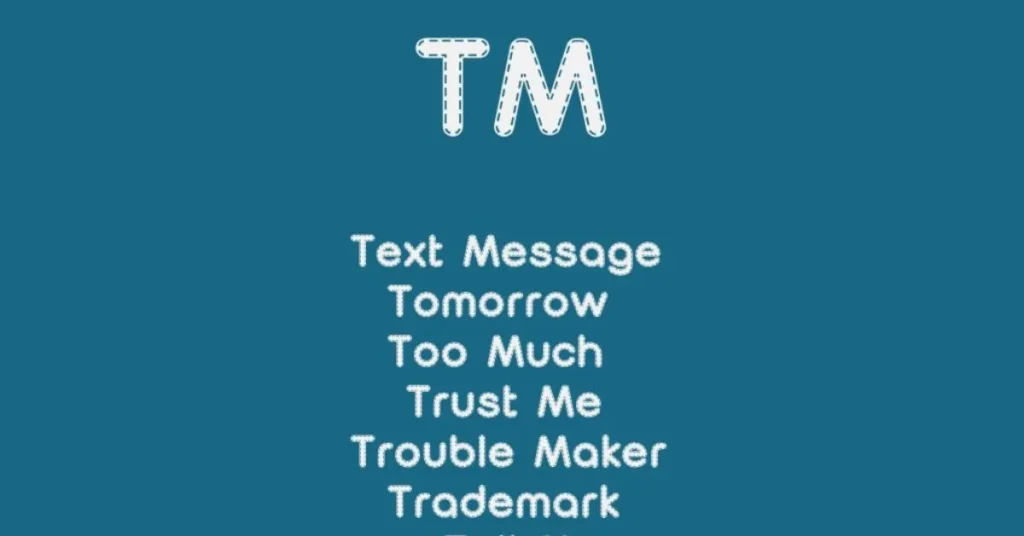
At its core, TM stands for “trademark,” and it signals that a word, phrase, logo, or design is being claimed as a brand identifier.
What makes TM especially confusing is that it looks official, but it doesn’t always mean a brand is legally registered.
Businesses often use the TM symbol to announce ownership, protect their brand identity, and warn others against copying even before completing formal trademark registration.
For entrepreneurs, creators, and consumers alike, understanding what TM means helps you recognize brand rights, avoid misuse, and make smarter business decisions.
What Does TM Mean? (Clear and Simple Explanation)
TM stands for “Trademark.” When you see TM next to a name, logo, slogan, or product title, it means the owner is claiming that mark as part of their brand identity. In simple terms, the TM symbol tells the public, “This is our brand, and we consider it our property.”
The key thing to understand is that TM does not mean the trademark is officially registered with a government authority. Instead, it shows that the business or individual is asserting ownership based on usage. This is often referred to as a common law trademark, where rights are established simply by using the mark in commerce rather than by filing formal paperwork.
TM can be used for:
- Brand names
- Company logos
- Product names
- Taglines or slogans
One important reason businesses use TM is to put others on notice. Even without registration, the symbol warns competitors that the mark is already in use and may be legally defended if copied. This can discourage imitation and brand confusion, especially in competitive markets.
Another advantage of TM is accessibility. Anyone can use the TM symbol, whether they are a startup, small business, influencer, or individual creator. There is no approval process, no fee, and no waiting period. As soon as you start using a mark to identify your goods or products, you can attach TM to it.
However, TM offers limited protection compared to a registered trademark. The rights usually apply only in the geographic area where the mark is actively used, and enforcement can be more challenging. Still, TM is a valuable first step in brand protection and is widely used before moving on to full trademark registration.
What Is a Trademark? (Beginner-Friendly Breakdown)
A trademark is any word, phrase, symbol, design, or combination of these elements that identifies and distinguishes one brand from another. Its main purpose is to help consumers recognize the source of a product or service and differentiate it from competitors. When you see a familiar name or logo, you instantly associate it with a certain quality, reputation, or experience that recognition is the power of a trademark.
Trademarks can take many forms. The most common types include brand names, logos, product names, and slogans. For example, a company name printed on packaging, a unique logo on a website, or a catchy tagline used in advertising can all function as trademarks if they identify the brand. In some cases, even colors, sounds, or shapes can become trademarks if they are strongly associated with a business.
The reason trademarks matter so much in business is protection. A trademark helps prevent others from using confusingly similar names or designs that could mislead customers. Without trademark protection, competitors could copy successful branding elements and benefit from the reputation you worked hard to build. This not only hurts businesses but also confuses consumers.
Trademarks also add commercial value. A strong trademark can become one of a company’s most valuable assets, increasing brand trust and recognition over time. Investors, partners, and customers often view a protected brand as more credible and professional.
It’s important to note that trademarks are different from other forms of intellectual property. Unlike copyrights, which protect creative works, or patents, which protect inventions, trademarks focus specifically on brand identity. This is why the TM symbol exists to signal that a particular mark is being used to represent a brand, even before it is formally registered.
What Is the TM Symbol Used For?
The TM symbol is mainly used to show that a word, logo, or phrase is being claimed as a trademark. Its primary purpose is to signal ownership and tell the public that a brand identifier is already in use. Even though TM does not confirm official registration, it still serves as an important warning sign to competitors and imitators.
One major use of the TM symbol is brand protection during early stages. Many startups and small businesses begin using TM as soon as they launch. This allows them to establish brand identity while they decide whether or not to pursue formal trademark registration. Since trademark registration can be time-consuming and costly, TM provides a simple way to assert rights immediately.
Another key function of the TM symbol is to establish common law trademark rights. In many countries, especially the United States, trademark rights can be earned through actual use in commerce. Using TM alongside a brand name helps show intent to claim ownership, which can be useful if a dispute arises later. It can support legal arguments that you were the first to use the mark.
TM is also used to prevent brand confusion. When customers see the TM symbol, they understand that the name or logo represents a specific business. This helps distinguish one brand from another, particularly in crowded markets where similar names may exist.
Additionally, TM offers flexibility. It can be used across websites, packaging, advertisements, social media profiles, and even domain names. There are no strict rules on placement, making it easy for businesses and individuals to use consistently.
However, TM should not be seen as a replacement for trademark registration. While it communicates ownership and intent, it does not provide the same level of legal protection as a registered trademark. In the next section, we’ll compare TM with ® and SM to clarify how these symbols differ.
TM vs ® vs SM What’s the Difference?
Understanding the difference between TM, ®, and SM is crucial for anyone building a brand. While these symbols may look similar, they have very different meanings and legal implications. Using the wrong one can create confusion or even legal risk.
1. TM (Trademark)
As discussed earlier, TM stands for trademark and is used to indicate that a word, logo, or slogan is being claimed as a brand identifier. TM can be used without official registration, which makes it accessible to startups, small businesses, and individuals. While TM puts others on notice of your claim, it provides limited legal protection, usually only in areas where the mark is actively used.
2. ® (Registered Trademark)
The ® symbol is used exclusively for registered trademarks. Registration is done through a government authority, such as the United States Patent and Trademark Office (USPTO). Once registered, the ® symbol gives the owner strong legal protection nationwide (or internationally, if registered abroad). It allows the owner to sue for infringement and potentially recover damages. Importantly, using ® without registration is illegal and can lead to penalties.
3. SM (Service Mark)
SM, or service mark, is similar to TM but specifically applies to services rather than goods. For example, a consulting firm, online platform, or cleaning service might use SM to claim ownership of their brand name. Like TM, SM does not require registration but signals the intent to protect a service brand.
Quick Comparison:
- TM → Unregistered trademark, limited protection, can be used by anyone
- ® → Registered trademark, strong legal protection, registration required
- SM → Unregistered service mark, applies to services rather than goods
Choosing the correct symbol ensures your brand communicates authority and avoids legal mistakes.
Do You Need to Register a Trademark to Use TM?
One of the most common questions about the TM symbol is whether you need to register a trademark to use it. The answer is no you do not need official registration to use TM. The symbol can be used by anyone who wants to claim a brand identifier for their goods or products. This makes it a popular choice for startups, small businesses, and individuals who want to establish brand recognition without the costs and time involved in formal registration.
Using TM signals that you consider a word, logo, or slogan your brand, even if it is not yet legally registered. In many countries, including the United States, using a mark in commerce can establish common law trademark rights. These rights are limited, usually covering the geographic area where you actively use the mark. This means that while you can prevent nearby competitors from using the same or confusingly similar mark, enforcing these rights in other regions can be more challenging without registration.
Formal registration, on the other hand, gives you nationwide protection and stronger legal enforcement options. It allows you to use the ® symbol, sue for damages, and prevent others from registering a similar mark. Many businesses start with TM and later decide to register once the brand grows or if they anticipate expansion into broader markets.
It’s also worth noting that TM can be used not just on products but on websites, social media, and marketing materials. This early usage establishes public notice and strengthens your claim over time.
Is TM Legally Enforceable?
A common misconception is that the TM symbol automatically provides strong legal protection. In reality, TM indicates a claim of ownership, but its enforceability depends on actual use in commerce and, in some cases, common law trademark principles. While TM does not offer the same level of protection as a registered trademark, it still carries some legal weight.
In countries like the United States, using TM publicly can establish “common law trademark rights.” These rights generally cover the geographic area where the mark is actively used. For example, if you sell products locally and mark them with TM, you may be able to prevent nearby businesses from using the same name or logo. However, enforcing these rights outside your active area can be challenging, which is why many businesses eventually register their trademarks to gain nationwide or international protection.
TM also serves as evidence of intent to claim ownership. In a legal dispute, showing that you consistently used the TM symbol with your brand can help prove that you had prior rights to the mark. It signals to courts, competitors, and consumers that your brand is not generic and that you are serious about protecting it.
However, TM has limitations. It does not automatically stop others from copying your mark, and it cannot guarantee protection against infringement in regions where you are not actively using it. TM also cannot be used to enforce international rights; for global protection, registration is typically required in each jurisdiction.
Despite these limitations, TM is a valuable first step in brand protection, providing notice, credibility, and some legal support while your business grows or prepares for formal registration.
TM Meaning in Business and Branding
In the business world, the TM symbol plays a crucial role in building and protecting brand identity. For startups, small businesses, and even large companies, TM is a simple yet effective way to signal ownership of a brand name, logo, or slogan without going through formal registration. It communicates to competitors and consumers alike that the brand is taken seriously.
Businesses use TM strategically for several reasons. First, it establishes early brand recognition. When a company launches a new product or service, adding TM to its name or logo helps create a professional appearance and sets it apart from competitors. Even if the trademark is unregistered, the symbol conveys that the brand is intentional, unique, and protected in its primary market.
Second, TM can be an inexpensive protective measure. Registering a trademark involves fees, paperwork, and time, which may not be feasible for new or small businesses. Using TM allows them to claim ownership and put others on notice immediately, helping prevent copying or brand dilution during the early stages of business development.
TM also plays a role in marketing and branding. Consumers often associate the TM symbol with credibility and professionalism. It signals that the company cares about its brand identity and intends to maintain a consistent, trustworthy image. For influencers, e-commerce entrepreneurs, and content creators, TM can distinguish personal brands from competitors and convey a sense of legitimacy.
Finally, businesses frequently use TM in combination with other legal strategies. TM use can strengthen a case for common law trademark rights, especially if the brand later moves toward official registration. This makes TM both a practical and strategic tool in brand management.
TM Meaning in Logos, Products, and Packaging
The TM symbol is commonly seen on logos, product packaging, and marketing materials, and its placement carries both practical and strategic significance. Using TM on a logo or product signals that the brand owner claims ownership of that design, name, or slogan. It serves as a visual cue to consumers and competitors that the brand is being protected, even if it is not officially registered.
On logos, TM is often placed in a small font near the brand name, icon, or design. This placement ensures visibility without interfering with the aesthetic of the logo. On products, TM is usually positioned on labels, packaging, or printed materials to indicate that the name or design identifies the brand of the item. Even digital products, such as apps or online content, can display TM in user interfaces, websites, or social media profiles to assert brand identity.
Using TM consistently across all branding materials is important for establishing recognition and credibility. Consumers are more likely to remember and trust brands that appear professional and protected, and competitors are more likely to respect a claim marked by TM.
There are few strict rules about the size or placement of TM, which makes it flexible for businesses of all sizes. However, best practices include keeping the symbol unobtrusive yet visible, usually in the top-right or bottom-right corner of a logo or product name. Repeating TM consistently across multiple touchpoints strengthens the public claim to the brand and can serve as evidence of ownership in a dispute.
TM Meaning in Different Countries
The meaning and usage of the TM symbol can vary slightly depending on the country, but the core idea remains the same: it signals that a brand name, logo, or slogan is being claimed as a trademark. In most countries, including the United States, Canada, and the UK, TM is used without registration to indicate ownership of a brand identifier.
In the United States, TM can be used for both goods and products without any formal filing. It helps establish common law trademark rights, which provide limited legal protection based on actual usage. While TM does not give nationwide enforcement like a registered trademark, it can still serve as evidence in legal disputes.
In Canada and the UK, TM functions similarly. It indicates that a business claims a particular mark, but formal registration is required to gain the stronger legal rights associated with a registered trademark. TM use does not prevent others from filing for registration of the same or similar mark, which makes timing and consistent use important for establishing priority.
In countries like Australia and many European nations, TM is recognized as a symbol for unregistered trademarks, but the level of enforceability varies. Some countries may offer limited protection to TM users under local laws, but this protection is usually less comprehensive than what comes with official registration.
It’s important for businesses that plan to operate internationally to understand that TM rights are generally territorial. Using TM in one country does not automatically protect a brand globally. Companies considering global expansion often combine early TM usage with formal registration in key markets to maximize protection and avoid infringement disputes.
Can Anyone Use the TM Symbol?
One of the most common questions about TM is whether anyone can use it. The short answer is yes the TM symbol is not restricted by law, and there is no government approval or registration required to use it. This accessibility makes TM an attractive option for startups, small businesses, individual creators, and even influencers who want to claim ownership of a brand, product, or service.
However, while TM can technically be used by anyone, there are important legal and practical considerations. TM does not automatically give you full legal protection like a registered trademark. Using TM on a brand that is identical or confusingly similar to someone else’s mark could lead to legal disputes. If a larger company already has established rights to the same or similar mark, your TM claim may not hold up in court.
Another consideration is geographic limitations. TM typically provides rights only in areas where the mark is actively used in commerce. This means that using TM in one city or country may not protect your brand elsewhere. For businesses planning to expand nationally or internationally, TM should be seen as a first step rather than the ultimate form of protection.
Despite these limitations, TM is still valuable. It establishes public notice of your claim, deters potential imitators, and can help support a case for common law trademark rights if needed. For many small businesses and personal brands, TM provides an affordable, flexible, and practical way to start protecting their identity before considering official registration.
Examples of TM in Real Life
The TM symbol is everywhere once you start noticing it, and real-world examples help illustrate its purpose and value. Large brands, small businesses, and even individual creators use TM to claim ownership of names, logos, and slogans, often before formal registration.
For instance, many startup companies use TM when launching a new product or service. A local coffee shop might display TM next to its unique brand name on packaging, menus, and marketing materials to signal that the name is part of its brand identity. Similarly, an independent fashion designer might use TM on clothing labels and online stores to protect a new logo or collection name.
Even well-known brands use TM strategically. Before a trademark is officially registered, companies often place TM next to a logo or slogan to indicate ownership. For example, if a tech startup creates a distinctive app name, adding TM next to the name lets competitors and consumers know it is claimed, even if official registration is still in progress.
TM is also widely used by online content creators and influencers. They may place TM next to their brand or signature product on social media, merchandise, or websites. This not only establishes ownership but also adds credibility and professionalism, signaling to followers and potential partners that the brand is intentional and protected.
These examples show that TM is flexible, accessible, and practical. Whether for a small business, personal brand, or large company, TM serves as a first line of brand protection, helps build recognition, and warns others not to copy your work.
Common Misunderstandings About TM
Despite its widespread use, the TM symbol is often misunderstood. Many people assume it automatically grants full legal protection, but this is not the case. Understanding these misconceptions is crucial to avoid mistakes when building and protecting a brand.
1. TM Does Not Mean Registered
One of the biggest misunderstandings is that TM equals a registered trademark. Unlike the ® symbol, TM can be used without any official registration. It simply signals that the owner claims the mark as part of their brand. While it provides some legal support under common law, it does not guarantee nationwide or international protection.
2. TM Does Not Guarantee Exclusivity
Some businesses assume that using TM alone prevents others from using a similar name or logo. In reality, TM rights are limited to areas where the mark is actively used, and someone else may still register the same or a similar mark elsewhere. Registration is necessary for broader legal enforcement.
3. Anyone Can Use TM, But Misuse Has Risks
While TM can technically be used by anyone, using it on a brand that conflicts with another owner’s established mark can result in legal disputes. Misuse may also damage credibility if the brand is not genuinely associated with the claimed mark.
4. TM Is Not International Protection
Some assume that placing TM on a brand automatically protects it worldwide. In truth, TM rights are territorial and generally apply only where the mark is actively used. Global protection requires registration in each country.
By understanding these points, businesses and creators can use TM effectively, avoiding false assumptions and potential conflicts. It is a tool for early brand protection, public notice, and credibility, but it is not a replacement for formal registration.
When Should You Upgrade from TM to ®?
While the TM symbol is a useful tool for claiming a brand, there are times when upgrading to a registered trademark (®) is essential. The ® symbol indicates that a mark has been officially registered with a government authority, such as the United States Patent and Trademark Office (USPTO), and comes with significantly stronger legal protections.
One key reason to upgrade is business growth. If your brand starts reaching new markets, expanding nationally, or gaining significant recognition, TM alone may not offer sufficient protection. Registration allows you to enforce your rights across the entire country, preventing competitors from copying your brand in regions beyond your immediate business area.
Another important trigger is potential legal disputes. If you foresee competitors or other businesses infringing on your brand, a registered trademark provides a much stronger foundation for enforcement. It enables you to sue for damages and even stop others from registering confusingly similar marks. Without registration, TM claims are limited to common law rights, which can be more challenging and expensive to defend.
Cost and credibility are additional considerations. While registration involves fees and paperwork, it adds professional authority and trustworthiness to your brand. Consumers, investors, and partners often view registered trademarks as a sign of legitimacy, which can improve your market positioning.
Finally, registration allows you to display the ® symbol, which immediately communicates legal protection and ownership. Many businesses start with TM during early stages and upgrade to ® once the brand grows or becomes more valuable.
TM vs Copyright vs Patent (Quick Comparison)
Understanding the differences between TM, copyright, and patents is essential for anyone looking to protect intellectual property, as each serves a distinct purpose. While TM focuses on brand identity, copyright and patents protect other types of creative and inventive work.
1. TM (Trademark)
A trademark, indicated by TM or ®, protects brand identifiers such as names, logos, slogans, or product designs. TM signals ownership and can be used without registration, though registration provides stronger legal protection. Its primary purpose is to prevent consumer confusion and distinguish your goods or services from others in the marketplace.
2. Copyright
Copyright protects original creative works, including books, music, art, photos, videos, and software code. It grants the creator exclusive rights to reproduce, distribute, and display the work. Unlike TM, copyright does not protect brand names or logos, but it does automatically apply when a work is fixed in a tangible form. Copyright lasts for many years, depending on the jurisdiction, and is primarily about creative ownership rather than branding.
3. Patent
Patents protect inventions and technological innovations, such as devices, processes, or methods. A patent gives the inventor exclusive rights to make, use, or sell the invention for a limited period, usually 20 years. Unlike TM or copyright, patents require a formal application and approval process, and they are focused on functional or technical innovation, not brand identity.
In short:
- TM → brand name/logo/slogan protection
- Copyright → creative work protection
- Patent → invention protection
Knowing which type of protection applies ensures your intellectual property is properly safeguarded.
FAQs About TM
When it comes to the TM symbol, many people have questions about its meaning, usage, and legal implications. Here are some of the most common questions and answers:
1. What does TM mean after a name?
TM stands for trademark and indicates that the owner claims the name, logo, or slogan as part of their brand. It shows intent to protect the mark even if it’s not formally registered.
2. Is TM legally required?
No, using TM is optional. It’s a way to signal ownership and establish common law rights, but there’s no legal requirement to display it.
3. Can individuals use TM?
Yes, anyone can use TM, including individuals, small businesses, and startups. However, they must ensure the mark does not infringe on an existing registered trademark.
4. Does TM expire?
TM itself does not expire because it is not a formal registration. However, rights based on TM usage can weaken over time if the mark is not actively used in commerce or challenged by others.
5. Can TM be used on social media?
Absolutely. TM can appear on social media handles, posts, and promotional content to indicate that the brand or product name is claimed.
6. Is TM valid internationally?
TM rights are generally territorial, meaning they only apply in regions where the mark is actively used. For international protection, formal trademark registration in each country is recommended.
7. How does TM differ from ®?
TM is for unregistered trademarks, offering limited protection. ® is for registered trademarks, providing stronger, enforceable legal rights.
These FAQs address common confusion and help businesses and creators use TM effectively. Understanding TM ensures that your brand is properly represented while avoiding legal pitfalls.
Conclusion:
The TM symbol is a simple yet powerful tool for businesses, startups, and individual creators.
It signals that a word, logo, slogan, or product name is being claimed as part of a brand, even without official registration.
While it does not offer the same legal protections as a registered trademark (®), TM serves multiple important purposes: it establishes public notice, supports common law rights, deters potential imitators, and enhances professional credibility.
For new businesses or personal brands, TM provides a low-cost, flexible way to start protecting brand identity.
It can be used across logos, packaging, websites, social media, and promotional materials, helping create consistent recognition and trust among consumers.
The symbol also allows businesses to demonstrate seriousness and professionalism, which is important for marketing, partnerships, and long-term brand growth.
However, it’s essential to understand the limitations of TM. It is not a guarantee of nationwide or international protection, and enforcement can be challenging if disputes arise.
For brands planning to expand, entering new markets, or facing potential competitors, upgrading to a registered trademark (®) provides stronger legal protection and broader enforceability.
Ultimately, TM is a first step in brand protection an accessible, practical, and effective way to claim ownership and signal intent.
When combined with proper branding strategies and eventual registration where necessary, TM becomes part of a comprehensive approach to intellectual property.
By using it wisely, businesses can safeguard their identity, strengthen credibility, and lay the foundation for long-term growth and brand recognition.

Swaan was born in Cambridge, the eldest of three children of pathologist Meredith Blake Robson Swaan and his wife, Marjorie Dykes.
Swaan was educated at King’s College School, Cambridge, and then at Winchester College, a boarding independent school for boys in the city of Winchester in Hampshire, where he was an exhibitioner. He then studied zoology at Gonville and Caius College, Cambridge, where he graduated MA and PhD.