Vaping has skyrocketed in popularity over the past decade, often promoted as a “safer” alternative to traditional smoking.
From teens experimenting with flavored e-cigarettes to adults trying to quit smoking, millions are inhaling vapor without fully understanding its impact. But what does vaping do to your lungs?
While e-cigarettes may not produce the tar and smoke associated with cigarettes, they still expose your lungs to nicotine, harmful chemicals, and tiny particles that can irritate and damage delicate lung tissue.
Studies increasingly show that vaping can lead to inflammation, reduced lung function, and in some cases, serious respiratory illnesses such as EVALI (e-cigarette or vaping-associated lung injury).
With long-term effects still under investigation, experts warn that vaping is far from harmless. Understanding how vaping affects your lungs is crucial for making informed decisions about your health.
What Is Vaping?
Vaping refers to the act of inhaling aerosol, often called “vapor,” produced by an electronic cigarette (e-cigarette) or similar device. Unlike traditional cigarettes, which burn tobacco to release smoke, e-cigarettes heat a liquid commonly called e-liquid or vape juice into a fine mist that can be inhaled. This process eliminates the smoke and tar associated with conventional smoking, which is why vaping is often marketed as a “safer” alternative.
E-liquids are typically made of several ingredients, each with potential effects on the lungs. The primary component is nicotine, a highly addictive chemical that can impair lung function and cardiovascular health. Many e-liquids also contain propylene glycol and vegetable glycerin, which create the visible vapor but can cause irritation when inhaled. Additionally, e-liquids often include flavorings from fruity to dessert-like flavors which may sound harmless but can contain harmful chemicals such as diacetyl, linked to severe lung disease.
Beyond these, vaping devices can release trace amounts of heavy metals like lead and nickel from the heating elements, adding another layer of risk. The combination of nicotine, chemical additives, and fine particles can irritate the airways, inflame lung tissue, and reduce the lungs’ ability to clear toxins effectively.
Understanding what goes into vaping is essential because even though it may appear cleaner than smoking, inhaling these substances can have significant consequences for respiratory health. In the next section, we’ll explore exactly how vaping affects the lungs, from immediate irritation to long-term damage.
How Vaping Affects the Lungs
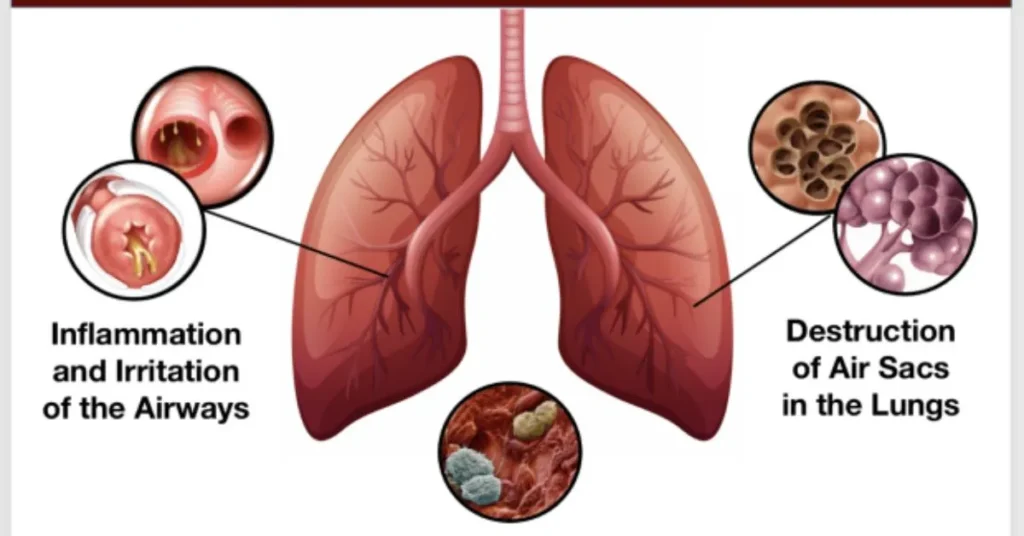
When you vape, the chemicals in e-liquids and the vapor produced by the device enter your lungs directly, which can have both immediate and long-term consequences. One of the first effects is irritation of the airways, leading to coughing, throat discomfort, and shortness of breath. The inhaled vapor can trigger inflammation in the lungs, making it harder for the respiratory system to function efficiently.
Nicotine, a key ingredient in most e-liquids, restricts airflow and can reduce lung capacity over time. It also affects the lungs’ natural defense mechanisms, weakening the tiny hair-like structures called cilia that help clear mucus and toxins. Without properly functioning cilia, the lungs are more vulnerable to infections and respiratory illnesses.
Certain flavoring chemicals, like diacetyl, have been linked to severe lung conditions such as bronchiolitis obliterans, sometimes called “popcorn lung.” Meanwhile, heavy metals and other contaminants from vaping devices can accumulate in lung tissue, contributing to long-term damage.
Some individuals have experienced EVALI (e-cigarette or vaping-associated lung injury), a potentially life-threatening condition that causes severe inflammation and fluid buildup in the lungs. While rare, these cases highlight that vaping is far from risk-free.
Even though vaping may seem less harmful than smoking traditional cigarettes, research increasingly shows that it can impair lung function, trigger chronic inflammation, and increase the risk of respiratory diseases. Understanding these effects is crucial for anyone considering vaping or trying to protect their lung health.
Long-Term Lung Damage and Chronic Conditions from Vaping
While the short-term effects of vaping are concerning, the long-term consequences for lung health are even more significant. Repeated exposure to nicotine, chemicals, and fine particles in e-cigarette vapor can lead to chronic inflammation, which gradually damages the delicate tissues in the lungs. Over time, this can reduce lung function, making it harder to breathe and perform everyday activities.
One of the major risks associated with long-term vaping is chronic bronchitis, a condition characterized by persistent coughing, mucus buildup, and irritation of the airways. Individuals who vape regularly may also experience increased susceptibility to respiratory infections, as vaping impairs the lungs’ natural defense mechanisms.
Although more research is needed, early studies suggest a link between vaping and asthma exacerbation, particularly in teenagers and young adults. Cases of EVALI (e-cigarette or vaping-associated lung injury) demonstrate that even short-term vaping can cause serious lung damage, and repeated exposure may increase the likelihood of severe outcomes.
Compared to traditional smoking, vaping may expose the lungs to fewer toxins, but it is not harmless. The combination of nicotine addiction, chemical inhalation, and lung inflammation creates a risk profile that can mirror or even exceed some effects of cigarette smoking over time.
Understanding the potential for chronic conditions emphasizes the importance of making informed choices about vaping. Protecting lung health early can prevent long-term damage and improve overall respiratory function.
Vaping vs Smoking: Understanding the Differences and Risks
Many people assume that vaping is completely safe because it doesn’t produce smoke like traditional cigarettes. While it’s true that e-cigarettes eliminate tar and some of the harmful byproducts of burning tobacco, vaping is far from risk-free. Both smoking and vaping introduce nicotine into the body, which is highly addictive and can negatively affect lung and cardiovascular health.
Traditional cigarettes release thousands of chemicals, including carcinogens and tar, which are directly linked to lung cancer and chronic obstructive pulmonary disease (COPD). Vaping, on the other hand, exposes users to fewer toxic substances but still delivers harmful chemicals, flavoring agents, and fine particles that can irritate the lungs, trigger inflammation, and impair lung function over time.
Another difference lies in lung injury patterns. Smoking typically causes gradual, long-term damage that accumulates over years, whereas vaping can cause rapid onset inflammation and has been linked to acute conditions such as EVALI. While the long-term consequences of vaping are still being studied, early research shows it may contribute to chronic bronchitis, asthma flare-ups, and reduced respiratory capacity.
It’s also important to note that some individuals use vaping as a smoking cessation tool, which may lower certain risks compared to continuing to smoke. However, switching to vaping is not risk-free, and dual use (smoking and vaping) can actually increase overall harm.
Understanding these differences helps readers make informed choices and recognize that “safer than smoking” does not mean safe.
How to Protect Your Lungs from Vaping
Protecting your lungs from the harmful effects of vaping starts with awareness and informed choices. The most effective step is to avoid vaping entirely. Even occasional use exposes your lungs to nicotine, chemical additives, and fine particles that can trigger inflammation and long-term damage.
For those who already vape, quitting is the best option. Gradually reducing usage or seeking professional support, such as counseling, nicotine replacement therapies, or mobile apps designed for quitting, can increase the likelihood of success. Removing triggers, like flavored e-liquids or social environments where vaping is common, also helps reduce cravings.
Supporting lung health goes beyond quitting. Regular exercise, particularly cardio activities like walking, running, or swimming, helps improve lung capacity and clears mucus from the airways. Maintaining a healthy diet rich in antioxidants found in fruits and vegetables can also combat inflammation and support respiratory function.
Avoiding additional lung irritants is crucial. Air pollution, secondhand smoke, and occupational exposures can worsen lung damage, especially for individuals who vape or have a history of vaping. Regular medical check-ups can help detect early signs of lung issues, monitor lung function, and provide guidance for maintaining respiratory health.
Finally, educating yourself and others about the risks of vaping is a proactive way to protect public health. The combination of avoiding harmful substances, supporting your lungs, and staying informed ensures the best chance of preventing long-term damage and maintaining healthy respiratory function.
The Future of Vaping Research
Although vaping has been widely adopted over the past decade, scientists are still uncovering its full impact on lung health. Long-term studies are ongoing, aiming to understand how years of exposure to e-cigarette chemicals, nicotine, and fine particles affect respiratory function, chronic disease development, and overall health.
One focus of current research is the long-term risk of chronic lung conditions, such as bronchitis, asthma, and reduced lung capacity, which may not become apparent until years after prolonged vaping. Researchers are also studying the cumulative effects of flavoring chemicals, some of which have already been linked to severe lung injuries like EVALI. These studies are critical because many of the chemicals in vape juice are relatively new, and their long-term toxicity is still unknown.
Another area of interest is the impact of vaping on teenagers and young adults, whose lungs are still developing. Early findings suggest that vaping during adolescence can impair lung growth and increase susceptibility to nicotine addiction, potentially affecting lifelong respiratory health.
Regulatory bodies are also paying close attention. Governments and health organizations worldwide are reviewing e-cigarette regulations, marketing practices, and safety standards to reduce youth access and limit harmful exposure. These changes may include stricter ingredient disclosure, flavor restrictions, and public education campaigns.
As research continues, the scientific community hopes to provide clearer guidance on the risks and safety of vaping. Staying informed about new findings and public health recommendations is essential for anyone using or considering e-cigarettes, helping protect lung health and make well-informed choices.
Conclusion
Vaping has become a widespread habit, often perceived as a safer alternative to smoking. However, research increasingly shows that e-cigarettes are far from harmless, especially when it comes to lung health.
The vapor produced by e-cigarettes contains nicotine, flavoring chemicals, and fine particles that can irritate and inflame lung tissue, reduce lung function, and increase susceptibility to infections and chronic respiratory conditions.
Cases of EVALI and studies linking vaping to chronic bronchitis, asthma exacerbation, and reduced lung capacity highlight the potential for both short-term and long-term damage.
While vaping may contain fewer toxic substances than traditional cigarettes, it still carries significant health risks, particularly for teenagers, young adults, and those with pre-existing lung conditions.
Misconceptions that vaping is completely safe can lead to regular use and increased exposure to harmful substances.
Understanding the mechanisms of lung damage and the chemicals involved is crucial for making informed decisions about vaping.
Protecting your lungs starts with awareness and proactive action. Avoiding or quitting vaping, supporting lung health through exercise and diet, and minimizing exposure to other pollutants can make a meaningful difference.
Ultimately, the most important takeaway is clear: vaping is not harmless, and protecting your lungs requires informed choices and consistent care.
By understanding the risks and taking preventive measures, you can preserve your lung health and reduce the likelihood of serious respiratory problems in the future.

Jordon Fox is an emerging artist and creative from Philadelphia, Pennsylvania, known for blending music, fashion, and fitness into his personal brand and artistic identity. He’s built a reputation as a multi-talented creator with a strong focus on authenticity and inspiring others.