Finding small, dark droppings in your home can be alarming especially if you’re unsure what left them behind.
If you’re wondering what does rat poop look like, identifying it correctly is the first step toward protecting your home and your health.
Rat droppings are one of the most common and visible signs of a rodent infestation.
They can indicate active rats in your walls, attic, kitchen, or basement, and ignoring them may allow the problem to grow quickly.
Understanding the size, shape, color, and texture of rat droppings helps you distinguish them from mouse, squirrel, or even cockroach waste.
Proper identification also helps you determine whether the infestation is recent or ongoing.
In this guide, you’ll learn exactly how to recognize rat feces, how to tell fresh droppings from old ones, the health risks involved, and what steps to take if you find them in your home.
What Does Rat Poop Look Like?
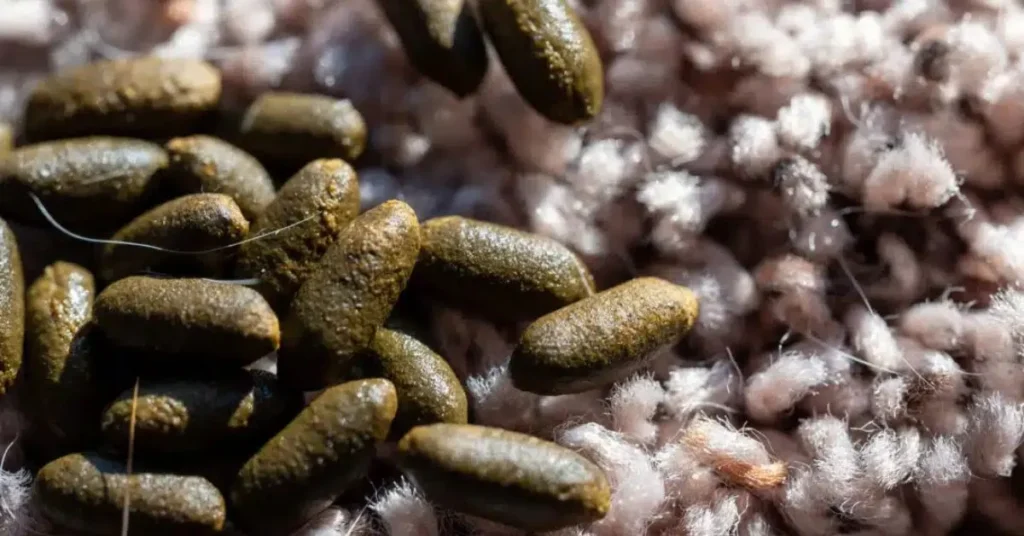
Rat droppings are usually easy to identify once you know what to look for. In general, rat poop is shaped like a small capsule or pellet with slightly pointed or blunt ends. The average size ranges from about ½ inch to ¾ inch long, making it noticeably larger than mouse droppings. They are typically about the size of a raisin, thick and solid rather than tiny and grain-like.
The color of rat droppings depends on how old they are. Fresh rat poop is dark brown or almost black and may appear slightly shiny due to moisture. As the droppings age, they lose their shine and become lighter in color, often turning gray or chalky. Over time, old droppings become dry, brittle, and crumbly.
Texture is another important clue. Fresh droppings are soft enough to be slightly squashed with pressure (though you should never touch them without protection). Older droppings harden and break apart easily.
You may also notice that rat droppings are often found in clusters rather than scattered randomly. Rats tend to leave feces along their regular travel paths, near food sources, inside cabinets, behind appliances, or in hidden corners. Large numbers of droppings usually indicate an active and possibly growing infestation that needs prompt attention.
Fresh vs. Old Rat Droppings
Being able to tell fresh rat droppings from old ones is crucial for understanding whether rats are currently active in your home. Fresh droppings are typically dark brown or black, moist, and slightly shiny. They often have a soft texture, and when handled carefully with gloves, they may slightly squash. Fresh droppings usually have a strong, musty odor, which is a clear sign of recent rat activity. If you notice droppings that appear moist or sticky, it’s an indicator that rats are actively moving through your home and possibly nesting nearby.
Old rat droppings, on the other hand, are dry, grayish, and brittle. Over time, exposure to air causes the droppings to lose moisture and dark pigmentation. They may crumble easily when touched or fall apart if disturbed. Unlike fresh droppings, older feces usually have little to no odor. Large quantities of old droppings may indicate past infestations, while scattered fresh droppings suggest ongoing activity.
Understanding this distinction can help you take timely action. Fresh droppings mean you should act immediately to clean up safely, disinfect surfaces, and take preventive measures. Old droppings, while still potentially hazardous, mainly indicate past infestations, but it’s still important to investigate entry points and possible nesting areas.
By distinguishing fresh from old droppings, you can assess the severity of the problem, identify the rats’ movement patterns, and determine whether it’s time to call a professional pest control service. This knowledge is essential for both safety and effective rat management.
Rat Poop vs. Mouse Poop
Many people confuse rat droppings with mouse droppings, but distinguishing between them is important for assessing the severity of an infestation. Size is the easiest way to tell the difference. Rat droppings are significantly larger, typically around ½–¾ inch long, while mouse droppings are smaller, about ¼ inch long. The shape also differs: rat feces are usually capsule-shaped with blunt or slightly pointed ends, whereas mouse droppings are more slender and sharply pointed on both ends.
Quantity is another clue. Mice tend to produce more droppings in a smaller area because they have higher metabolic rates and smaller territories. Rat droppings, in contrast, are often found in clusters along specific travel paths near food sources or nesting sites. Location can also help with identification. Mouse droppings are commonly found near pantries, cupboards, or areas where small crumbs accumulate, while rat droppings may appear in less accessible places such as behind large appliances, inside walls, basements, attics, or along foundation edges.
Comparing rat droppings to other pests, like squirrels or cockroaches, is also helpful. Squirrel feces are generally similar in size but often appear in outdoor areas and have a slightly different shape. Cockroach droppings are tiny, pepper-like specks, completely different from rodent droppings.
Being able to correctly identify rat poop versus mouse or other animal droppings helps homeowners determine the type of rodent present, estimate infestation size, and plan appropriate cleanup and control measures. Misidentifying droppings could lead to underestimating the risk or applying ineffective pest control strategies.
Where You Typically Find Rat Droppings
Knowing where to look is just as important as recognizing what rat droppings look like. Rats are nocturnal creatures that prefer hidden, sheltered areas close to food and water sources. Indoors, common spots include kitchens, behind or under appliances like refrigerators, stoves, and dishwashers, as well as inside cabinets and pantries. Basements and attics are also frequent hiding places, especially for roof rats, who favor elevated areas. Walls, crawl spaces, and behind furniture can also harbor droppings, as rats often travel along the same paths repeatedly.
Outdoors, rat droppings are often found near garbage bins, compost piles, sheds, and along the foundation of buildings. Roof rats may leave droppings in trees, on ledges, or under decks, while Norway rats tend to stay closer to ground-level areas and burrows. You may notice droppings near pet food bowls or bird feeders, where rats are drawn to accessible meals.
Clusters of droppings are a clear sign of regular rat activity, while scattered feces may indicate temporary visits or exploration. Large amounts in a concentrated area usually suggest the presence of multiple rats or a nearby nest. Regularly checking these common locations helps homeowners identify infestations early before they escalate.
By understanding the preferred locations of rat droppings both inside and outside the home, you can inspect effectively, identify problem areas, and take proactive steps to clean, disinfect, and secure entry points. This knowledge is key to preventing rats from spreading disease or causing property damage.
Health Risks of Rat Feces
Rat droppings are more than just an unpleasant sight they can pose serious health risks if not handled properly. Rats carry a variety of bacteria, viruses, and parasites that can be transmitted through their feces, potentially leading to illness in humans. One of the most well-known diseases associated with rat droppings is Hantavirus, which can cause severe respiratory issues if airborne particles are inhaled. Other risks include Salmonella, which can contaminate food and surfaces, Leptospirosis, which can infect through contact with contaminated water, and Rat-Bite Fever, a bacterial infection that may occur even without a direct bite.
The danger increases when droppings dry out. Dried feces can break down into fine dust that becomes airborne during sweeping or vacuuming. Inhaling this dust can expose you to harmful pathogens, making proper handling essential. Children, pets, and individuals with weakened immune systems are particularly vulnerable to these health risks.
Rat droppings can also indirectly affect food safety. Droppings found in pantries, cupboards, or kitchens may contaminate surfaces, utensils, or stored food. Even a small amount of fecal matter can harbor harmful bacteria, emphasizing the importance of careful inspection and sanitation.
Because of these risks, it’s important to never touch rat droppings with bare hands or attempt cleanup without protective gear. Wearing gloves, a mask, and taking proper disinfecting steps minimizes exposure to harmful pathogens. Understanding the health hazards associated with rat feces reinforces why prompt identification, safe cleanup, and prevention measures are crucial for protecting your household.
What to Do If You Find Rat Poop
Discovering rat droppings in your home can be alarming, but knowing how to respond safely is crucial. First and foremost, avoid touching droppings with bare hands. Rat feces can carry harmful bacteria and viruses, so always wear disposable gloves and a mask before handling any contaminated areas. Never sweep or vacuum droppings directly, as this can cause dangerous particles to become airborne.
The safest way to clean up is to disinfect the area first. Use a household disinfectant or a solution of bleach and water to thoroughly soak the droppings, which reduces the risk of airborne pathogens. Let the disinfectant sit for several minutes before wiping up with paper towels. Dispose of the droppings and used towels in a sealed plastic bag. Afterward, wash your hands thoroughly with soap and warm water even if you wore gloves.
It’s also important to identify the source of the infestation. Look for entry points such as gaps in walls, vents, or cracks in the foundation, and seal them to prevent further access. Remove food sources and clutter that may attract rats.
In cases of extensive droppings or signs of active infestation like gnaw marks, noises in walls, or nests it’s often best to call a professional pest control service. Professionals can safely remove rats, thoroughly sanitize affected areas, and implement long-term prevention strategies.
Taking prompt and careful action after finding rat droppings not only protects your health but also helps prevent a small problem from turning into a major infestation. Proper cleanup and preventive measures are essential for maintaining a safe, rodent-free home.
When to Call a Professional
While small infestations of rats can sometimes be managed with careful cleanup and DIY measures, there are many situations where calling a professional pest control service is the safest and most effective option. One of the most obvious signs that professional help is needed is continuous droppings in multiple areas of your home. If fresh rat feces keep appearing despite your efforts to clean and secure food, it indicates an active and persistent infestation.
Other signs include noises in walls, ceilings, or attics, particularly at night when rats are most active. Scratching, scurrying, or gnawing sounds often suggest nesting or movement within hard-to-reach spaces. Visible structural damage such as chewed wires, gnawed wood, or torn insulation also signals that rats are establishing a home and can pose safety hazards, including fire risks from exposed wiring.
Professional pest control services offer several advantages. They can accurately identify the type of rat, determine the size of the infestation, and safely remove the rodents using traps or baits. Professionals also provide thorough sanitation, ensuring that contaminated areas are disinfected properly to prevent disease transmission. Additionally, they can implement long-term prevention strategies, such as sealing entry points and advising on environmental changes that make your home less attractive to rats.
Even if you are confident in handling small infestations yourself, contacting a professional early can save time, money, and stress. It ensures that the problem is addressed safely and effectively, preventing future health risks and property damage caused by rats. Prompt professional intervention is especially important for families with children, pets, or elderly members.
How to Prevent Rats from Entering Your Home
Prevention is always better than dealing with a full-blown rat infestation. Rats are resourceful and persistent, but with a few strategic steps, you can make your home much less attractive to them. Sealing entry points is one of the most effective measures. Inspect your home for gaps, cracks, and holes especially those larger than a quarter-inch and seal them with steel wool, caulk, or metal flashing. Pay attention to vents, doors, windows, and the foundation, as rats can squeeze through surprisingly small spaces.
Proper food storage is also crucial. Keep food in airtight containers, avoid leaving pet food out overnight, and clean up crumbs and spills immediately. Rat droppings are often found near accessible food, so limiting easy meals will reduce the likelihood of attracting them. Regularly empty trash bins and use bins with secure lids to prevent scavenging.
Your yard and surroundings can either deter or attract rats. Trim overgrown vegetation, remove clutter, and store firewood at least 18 inches off the ground and away from your home. Compost piles and bird feeders should be monitored carefully, as they can serve as a food source.
Routine inspection and maintenance are also important. Check attics, basements, and crawl spaces for signs of nesting, droppings, or gnaw marks. Early detection allows you to address potential problems before they grow.
By combining these measures sealing entry points, managing food and waste, maintaining your yard, and performing regular inspections you can create an environment that is unattractive to rats. Prevention reduces health risks, protects property, and saves you from costly pest control interventions in the future.
Frequently Asked Questions (FAQ)
When it comes to rat droppings, homeowners often have many questions. Addressing these can help you identify problems quickly and respond appropriately.
How big are rat droppings?
Rat droppings are generally about ½ to ¾ inch long, noticeably larger than mouse droppings. Their capsule shape with blunt or slightly pointed ends helps distinguish them from other pests.
Does rat poop smell?
Yes, fresh rat droppings have a strong, musty odor due to moisture and bacteria. Old droppings lose most of their smell as they dry out.
Can one rat leave a lot of droppings?
Yes. A single rat can leave 20–50 droppings per day, usually along its travel paths near food and nesting areas. Large clusters may indicate multiple rats.
How long do rat droppings last?
Droppings can last for months if undisturbed. Fresh droppings are dark and moist, while older droppings dry out, fade to gray, and become brittle.
Can rat droppings make you sick?
Absolutely. Rat feces can carry bacteria, viruses, and parasites that cause illnesses such as Hantavirus, Salmonella, Leptospirosis, and Rat-Bite Fever. Proper handling and disinfection are essential.
Is rat poop hard or soft?
Fresh droppings are soft and slightly pliable, while older droppings harden over time and crumble easily.
These FAQs help homeowners quickly recognize rat activity, understand potential risks, and take the right safety measures. By knowing what to expect from rat droppings, you can differentiate them from other pests, gauge infestation severity, and implement effective cleanup and prevention strategies. Proper knowledge ensures that minor infestations don’t turn into serious health or property problems.
Conclusion
Recognizing and understanding rat droppings is an essential step in keeping your home safe and rodent-free.
Knowing what rat poop looks like, where it is typically found, and how to distinguish fresh droppings from old can help you quickly identify an active infestation.
Rats are not only a nuisance they can carry dangerous diseases and contaminate food, making prompt identification and cleanup critical for your family’s health.
While small amounts of droppings might be manageable with careful cleaning and proper protective measures, large infestations or repeated sightings indicate a more serious problem that may require professional intervention.
Pest control experts can safely remove rats, sanitize contaminated areas, and implement long-term prevention strategies to ensure that your home remains protected.
Prevention is equally important. Sealing entry points, storing food securely, managing trash, and maintaining a tidy yard can make your home much less attractive to rodents.
Regular inspections and early action allow you to address potential issues before they escalate into costly and hazardous infestations.
By following these identification, cleanup, and prevention steps, you can reduce health risks, protect your property, and maintain peace of mind.
Understanding rat droppings, their appearance, and their implications empowers homeowners to act quickly and responsibly.
Taking proactive measures today can prevent an infestation tomorrow, keeping your home safe, clean, and comfortable for you and your family.

Nikki Jorton is a Norwegian-born transgender woman and content creator who became publicly known through her relationship and marriage to American comedian and radio personality Jim Norton. The two met online and developed a long-distance relationship that faced significant immigration and legal challenges before Nikki was able to move to the United States. Their journey, marked by persistence and openness, attracted media attention for its honesty and unconventional nature. The couple married in October 2023 and now live together in New York City.