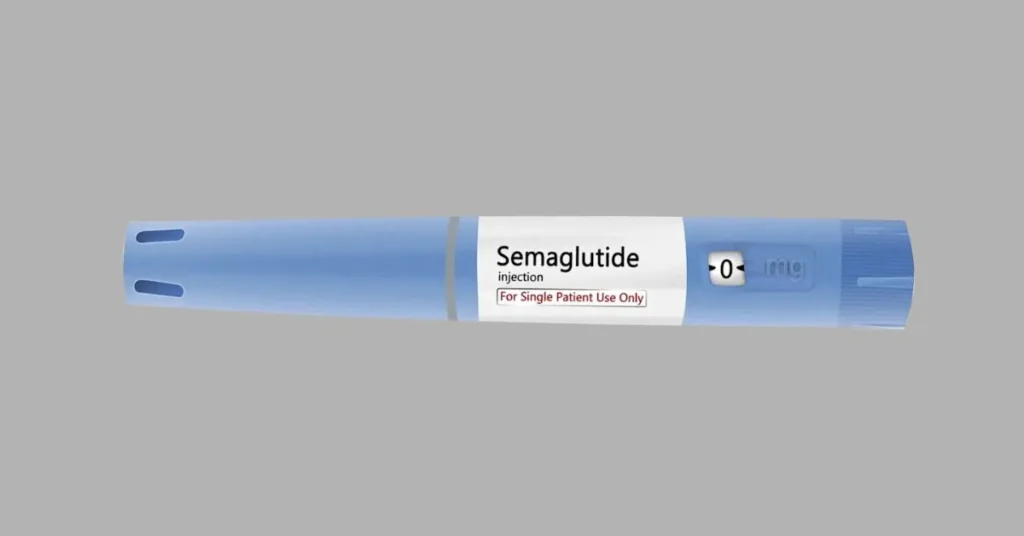
If you’ve been hearing about medications like Ozempic and Wegovy and wondering what does semaglutide do, you’re not alone.
Semaglutide is a prescription medication originally developed to treat type 2 diabetes, but it has gained widespread attention for its powerful effects on weight loss.
It works by mimicking a natural hormone in your body that regulates blood sugar, appetite, and digestion.
As a result, many people experience reduced hunger, improved blood sugar control, and gradual, sustained weight loss.
But semaglutide isn’t a magic injection it changes how your body signals fullness and processes glucose.
In this article, we’ll break down how semaglutide works, what it’s used for, its benefits, potential side effects, and what you can realistically expect before considering treatment.
What Is Semaglutide?
Semaglutide is a prescription medication classified as a GLP-1 receptor agonist. That means it mimics a natural hormone in your body called glucagon-like peptide-1 (GLP-1), which helps regulate blood sugar levels and appetite. It was developed by Novo Nordisk and first approved to treat adults with type 2 diabetes. Later, higher-dose versions were approved for chronic weight management.
You may know semaglutide under brand names such as Ozempic (primarily for diabetes), Wegovy (for weight loss), and Rybelsus (an oral tablet for diabetes). While the active ingredient is the same, the dosages and approved uses differ.
Semaglutide is typically taken as a once-weekly injection, though oral forms are available for certain patients. It is not an over-the-counter drug and must be prescribed by a healthcare provider.
Importantly, semaglutide is not a stimulant or a steroid. Instead of forcing rapid weight loss, it works with your body’s natural hormone systems to improve blood sugar control and reduce appetite. Because of this hormone-based mechanism, results tend to be gradual and sustained when combined with proper diet and lifestyle changes.
How Does Semaglutide Work in the Body?
Semaglutide works by mimicking the effects of GLP-1 (glucagon-like peptide-1), a hormone naturally produced in the gut. GLP-1 plays a key role in regulating blood sugar and appetite. By activating GLP-1 receptors in the brain and digestive system, semaglutide helps your body feel full sooner, slows digestion, and improves insulin response.
One of the main ways semaglutide works is by slowing gastric emptying, which means food stays in your stomach longer. This contributes to a feeling of fullness and helps reduce calorie intake without forcing you to eat less than your body can handle. At the same time, semaglutide signals the brain that you’re full, reducing cravings and helping you manage hunger between meals.
In addition to appetite control, semaglutide improves blood sugar regulation. It stimulates insulin release when glucose levels rise and reduces the release of glucagon, a hormone that increases blood sugar. This dual action helps prevent spikes and crashes, which is especially beneficial for people with type 2 diabetes.
Semaglutide also has secondary effects that support long-term health. By improving insulin sensitivity and reducing excessive glucose in the bloodstream, it can help protect the heart and potentially reduce the risk of cardiovascular complications.
Because of its unique mechanism, semaglutide is different from traditional weight loss medications or stimulants. It doesn’t force your body to burn fat artificially; instead, it works with your body’s natural systems, promoting gradual weight loss while improving metabolic health. For best results, it should be combined with a healthy diet, regular physical activity, and guidance from a healthcare provider.
What Is Semaglutide Used For?
Semaglutide is primarily used for type 2 diabetes management and chronic weight management, and it has been shown to provide additional cardiovascular benefits in some patients. Its ability to regulate blood sugar, reduce appetite, and promote gradual weight loss makes it a versatile medication for people struggling with metabolic health issues.
1. Type 2 Diabetes Management
Semaglutide helps people with type 2 diabetes maintain more stable blood sugar levels. By stimulating insulin release when blood glucose rises and lowering glucagon secretion, it reduces spikes in blood sugar. Clinical studies have shown that semaglutide can significantly lower HbA1c, a key marker of long-term blood sugar control. This makes it an effective option for patients whose diabetes is not well-managed by lifestyle changes or other medications.
2. Chronic Weight Management
Higher-dose semaglutide, marketed as Wegovy, is approved for long-term weight management in adults with obesity or higher-weight person conditions who also have weight-related health issues. By reducing appetite and increasing feelings of fullness, semaglutide helps patients consume fewer calories, resulting in gradual, sustainable weight loss over time. It is often prescribed alongside diet and exercise programs to maximize results.
3. Cardiovascular Benefits
Research suggests that semaglutide may also help reduce cardiovascular risks in people with type 2 diabetes. It supports heart health by improving blood sugar control and reducing weight, which lowers strain on the heart.
In short, semaglutide is not just a weight loss drug; it is a metabolic regulator that helps manage blood sugar, appetite, and overall cardiometabolic health, making it a valuable tool for patients under medical supervision.
How Fast Does Semaglutide Work?
The speed at which semaglutide works depends on the dose, treatment goals, and individual body response. While some effects can be noticed within the first week, significant results usually take several weeks to months. Understanding the timeline can help set realistic expectations.
First Few Weeks
During the initial week or two, most people notice reduced appetite and fewer cravings. This is because semaglutide activates GLP-1 receptors in the brain, sending signals of fullness. Some patients may experience mild nausea or digestive changes as the body adjusts, which is normal and often temporary.
4–8 Weeks
By weeks four to eight, changes in blood sugar levels are usually measurable. People with type 2 diabetes often see lower fasting glucose and improved HbA1c values. For those using semaglutide for weight management, small but noticeable weight loss can start during this period, generally a few pounds, depending on adherence to diet and lifestyle changes.
3–6 Months
Most weight loss effects become more pronounced between three and six months. Clinical trials have shown that patients using semaglutide as part of a structured program can lose between 10% and 15% of their body weight over six months. Blood sugar improvements continue during this period, and appetite suppression stabilizes as the body adapts to the medication.
Long-Term Effects
Semaglutide is intended for long-term use under medical supervision. Consistent dosing, combined with a balanced diet and exercise, maximizes benefits. If treatment is stopped abruptly, weight regain is possible because the appetite-suppressing effects of the medication gradually wear off.
In summary, semaglutide works gradually, promoting steady weight loss and improved blood sugar control, rather than providing immediate results. Patience and adherence to treatment are key for achieving sustainable health outcomes.
Benefits of Semaglutide
Semaglutide offers several benefits for people managing type 2 diabetes, obesity, or weight-related health concerns. Unlike some medications that focus on a single effect, semaglutide works on multiple systems in the body, providing both metabolic and lifestyle support.
1. Appetite Suppression
One of the primary benefits of semaglutide is its ability to reduce hunger. By activating GLP-1 receptors in the brain, it signals fullness after smaller meals, helping users eat less naturally. This effect can make calorie control easier without strict dieting or constant food monitoring.
2. Significant Weight Loss
Clinical studies have demonstrated that semaglutide can produce meaningful weight reduction. Patients using semaglutide alongside diet and exercise often lose between 10% and 15% of their body weight over six months. For some, higher doses may produce even greater results under medical supervision.
3. Improved Blood Sugar Control
Semaglutide stimulates insulin secretion when blood sugar is high and reduces glucagon release, helping lower both fasting and post-meal glucose levels. This makes it especially beneficial for people with type 2 diabetes or prediabetes.
4. Cardiovascular Health Support
Research indicates semaglutide may reduce cardiovascular risks in diabetic patients. By promoting weight loss and improving blood sugar control, it helps reduce strain on the heart and may lower the risk of heart attack or stroke in high-risk individuals.
5. Convenient Dosing
For most patients, semaglutide is administered as a once-weekly injection, though oral forms like Rybelsus are available. This makes it easier to incorporate into a weekly routine compared to daily medications.
Overall, semaglutide combines appetite control, metabolic benefits, and convenience, making it a powerful tool for people managing diabetes, obesity, or both. However, benefits are maximized when paired with healthy lifestyle changes and under medical supervision.
Side Effects and Risks of Semaglutide
While semaglutide offers significant benefits, it is not without side effects and risks. Understanding these is crucial for anyone considering the medication, especially since it affects hormones, digestion, and blood sugar levels.
1. Common Side Effects
Many patients experience mild gastrointestinal issues when starting semaglutide. These can include:
- Nausea
- Vomiting
- Diarrhea
- Constipation
- Abdominal discomfort
These effects are usually temporary and tend to decrease over time as the body adjusts to the medication. Starting with a lower dose and gradually increasing it, as recommended by a doctor, can help minimize these symptoms.
2. Serious Risks
Though rare, semaglutide carries some serious potential risks.
- Pancreatitis: Inflammation of the pancreas can occur, often marked by severe abdominal pain.
- Gallbladder issues: Gallstones or inflammation may develop in some patients.
- Thyroid tumor warning: Animal studies have shown an increased risk of thyroid C-cell tumors. Because of this, semaglutide is not recommended for people with a personal or family history of medullary thyroid cancer or MEN 2 syndrome.
3. Long-Term Considerations
The long-term safety of semaglutide is still under study. Most benefits are maintained only while the medication is continued. If stopped abruptly, appetite suppression and weight loss effects may reverse, and patients may regain lost weight.
4. Safety Recommendations
- Regular monitoring by a healthcare provider is essential.
- Report any persistent nausea, abdominal pain, or unexplained symptoms immediately.
- Avoid use if you have certain pre-existing conditions, including severe gastrointestinal disease.
In summary, semaglutide is generally well-tolerated but requires careful monitoring to balance benefits with potential risks, ensuring safe and effective treatment.
Who Should Not Take Semaglutide?
Semaglutide is a prescription medication that is highly effective for blood sugar control and weight management, but it is not suitable for everyone. Certain medical conditions, personal history, or life stages can make its use unsafe, so understanding these limitations is essential.
1. Personal or Family History of Thyroid Cancer
Semaglutide carries a black box warning regarding the risk of thyroid C-cell tumors. People with a personal or family history of medullary thyroid carcinoma or Multiple Endocrine Neoplasia type 2 (MEN 2) should not take semaglutide. Even with careful monitoring, the potential risk outweighs the benefits for these patients.
2. Pregnancy and Breastfeeding
The effects of semaglutide on a developing fetus or a nursing infant are not well studied. Therefore, it is not recommended during pregnancy or breastfeeding. Women planning to become pregnant should discontinue semaglutide under medical guidance.
3. Severe Gastrointestinal Disease
Because semaglutide slows gastric emptying, individuals with conditions like gastroparesis, chronic nausea, or severe digestive disorders may experience worsened symptoms. Doctors often advise against use in these patients.
4. Known Allergic Reactions
Anyone with a history of severe hypersensitivity or allergic reactions to semaglutide or any of its ingredients should avoid this medication.
5. Other Cautions
- Patients with pancreatitis or a history of gallbladder disease should discuss risks with their doctor.
- Individuals with significant liver or kidney impairment may require dose adjustments or alternative treatments.
In short, semaglutide is safe for most adults under medical supervision, but specific conditions, family history, and life stages can make it unsuitable. A thorough consultation with a healthcare provider is essential to determine whether semaglutide is a safe and effective option for your individual needs.
Ozempic vs Wegovy vs Rybelsus
Semaglutide comes in several forms, each designed for different purposes. Understanding the differences between Ozempic, Wegovy, and Rybelsus can help patients and healthcare providers choose the right option.
1. Ozempic
Ozempic is primarily approved for type 2 diabetes management. It is administered as a once-weekly injection and helps lower blood sugar by improving insulin response and reducing glucagon secretion. While weight loss can occur as a secondary effect, its main focus is glycemic control, not obesity treatment.
2. Wegovy
Wegovy is a higher-dose version of semaglutide specifically approved for chronic weight management in adults with obesity or person in higher weight body conditions with related health issues. Like Ozempic, it is administered once weekly, but the dosage is higher to maximize appetite suppression and weight loss. Patients using Wegovy often experience gradual, sustained weight reduction when combined with a structured diet and exercise plan.
3. Rybelsus
Rybelsus is the oral form of semaglutide and is also approved for type 2 diabetes. It is taken once daily and offers the convenience of a pill rather than an injection. While it can contribute to weight loss, its primary goal is blood sugar regulation.
Key Differences
| Feature | Ozempic | Wegovy | Rybelsus |
| Main Use | Diabetes | Weight Loss | Diabetes |
| Form | Injection | Injection | Oral Tablet |
| Dosing | Once weekly | Once weekly | Once daily |
| Weight Loss Effect | Moderate | Significant | Mild |
Choosing the right semaglutide form depends on treatment goals, lifestyle preferences, and medical supervision. Doctors consider these factors when prescribing the most suitable option.
This comparison helps readers clearly understand how each version of semaglutide works and what to expect from treatment.
Semaglutide vs Other Weight Loss Medications
Semaglutide has become a popular choice for weight management, but how does it compare to other weight loss medications? Unlike older drugs that primarily act as stimulants or appetite suppressants, semaglutide works by mimicking a natural hormone (GLP-1), making its effects more gradual and sustainable.
1. Compared to Stimulant-Based Medications
Many traditional weight loss drugs, such as phentermine, work by increasing metabolism or reducing appetite through stimulant effects. While these medications can lead to rapid weight loss, they may also cause side effects like increased heart rate, anxiety, or insomnia. Semaglutide, in contrast, does not overstimulate the nervous system and produces a slower, steady weight reduction.
2. Compared to Other GLP-1 Medications
Semaglutide is part of the GLP-1 receptor agonist class, which includes drugs like liraglutide (Saxenda). Compared to these older GLP-1 medications, semaglutide is more potent, often producing greater weight loss and stronger appetite suppression. Weekly injections (or daily oral tablets in the case of Rybelsus) make it more convenient than daily injections of older alternatives.
3. Compared to Lifestyle-Only Approaches
Diet and exercise alone can produce weight loss, but many people struggle to achieve sustainable results. Semaglutide enhances the body’s natural appetite regulation, making it easier to stick to healthier eating habits and maintain long-term progress.
4. Safety and Monitoring
While semaglutide is generally safe under medical supervision, it still requires monitoring for side effects such as nausea or gastrointestinal issues. Compared to some older medications, it has a lower risk of cardiovascular strain.
Overall, semaglutide offers a modern, hormone-based approach that is more effective and sustainable for many people than traditional appetite suppressants or older GLP-1 drugs, especially when combined with diet and exercise.
Does Semaglutide Burn Fat or Just Reduce Appetite?
Many people considering semaglutide wonder whether it actively burns fat or primarily works by reducing appetite. Understanding the mechanism helps set realistic expectations for weight loss results.
Semaglutide does not directly “burn” fat in the way exercise or certain metabolic stimulants might. Instead, it works by modulating the body’s natural hormones, particularly GLP-1, which helps regulate appetite, digestion, and insulin release. By slowing gastric emptying, semaglutide keeps food in the stomach longer, creating a sense of fullness that reduces overall calorie intake. Over time, this calorie deficit contributes to fat loss, particularly when paired with a balanced diet and regular exercise.
Clinical trials show that most weight loss with semaglutide comes from fat mass reduction rather than muscle loss, which is important for maintaining metabolic health. The gradual nature of this weight loss ensures that the body adapts safely, lowering the risk of rebound weight gain if the medication is discontinued.
In addition, semaglutide helps regulate blood sugar, which can prevent insulin spikes that contribute to fat storage, especially around the abdomen. This metabolic effect further supports fat loss over time.
However, it’s important to note that semaglutide alone is not a magic solution. Without dietary adjustments and physical activity, the fat loss effect may be limited. The medication works best as part of a comprehensive lifestyle plan, helping users naturally reduce appetite, maintain energy levels, and gradually lose fat in a safe, controlled manner.
In summary, semaglutide primarily reduces appetite, but by creating a calorie deficit and improving metabolic function, it effectively promotes fat loss over time.
What Happens If You Stop Taking Semaglutide?
Semaglutide is designed for long-term use, and its benefits are maintained only while the medication is continued under medical supervision. If someone stops taking it, several changes can occur in the body, particularly related to appetite, blood sugar, and weight management.
1. Appetite Returns
Semaglutide works by activating GLP-1 receptors, which signal the brain that you are full. When the medication is discontinued, this effect gradually wears off, and hunger and cravings may return to previous levels. Many people notice an increase in appetite within weeks after stopping treatment.
2. Weight Regain
Because appetite suppression decreases, it is common to experience gradual weight regain after stopping semaglutide. The amount of regained weight varies depending on diet, activity level, and individual metabolism. Patients who continue healthy eating and regular exercise are more likely to maintain some of the weight lost during treatment.
3. Blood Sugar Changes
For patients taking semaglutide to manage type 2 diabetes, stopping the medication may lead to higher blood sugar levels. Without the hormone-mimicking effect of semaglutide, insulin response and glucagon suppression are reduced, which can result in elevated fasting and post-meal glucose.
4. Recommendations for Discontinuation
Doctors may advise a gradual taper or careful transition to other medications to minimize weight gain and metabolic fluctuations. Continuing a structured diet and exercise plan is essential to maintain results after stopping semaglutide.
In summary, stopping semaglutide can reverse many of the benefits if lifestyle changes are not maintained. Appetite, weight, and blood sugar may gradually return to pre-treatment levels, making ongoing health strategies critical for sustained results.
Frequently Asked Questions About Semaglutide
As semaglutide becomes increasingly popular for diabetes management and weight loss, many people have questions about its safety, effectiveness, and proper use. Here are some of the most commonly asked questions:
1. Is Semaglutide a Steroid?
No, semaglutide is not a steroid. It is a GLP-1 receptor agonist, which mimics a natural hormone in the body to regulate blood sugar and appetite.
2. Can Non-Diabetics Take Semaglutide?
Yes, non-diabetic adults may take semaglutide for weight management if prescribed by a doctor and if they meet specific criteria, such as obesity or higher-weight person with related health conditions. The higher-dose brand Wegovy is approved for this purpose.
3. How Long Does It Take to Work?
Some effects, like appetite suppression, may appear within the first week, while meaningful weight loss typically becomes noticeable after 3–6 months of consistent use. Blood sugar improvements can also be observed within the first few weeks in diabetic patients.
4. Does Semaglutide Affect Metabolism?
Semaglutide indirectly supports metabolism by reducing calorie intake and helping regulate blood sugar. However, it does not increase metabolic rate like stimulant-based medications. Maintaining diet and exercise is important for optimal results.
5. Are the Side Effects Serious?
Most side effects, such as nausea, diarrhea, or constipation, are mild and temporary. Serious risks, like pancreatitis or thyroid tumors, are rare but require medical monitoring.
6. Will I Regain Weight After Stopping?
Weight regain is possible because appetite suppression decreases once semaglutide is discontinued. Continuing a healthy diet and lifestyle plan can help maintain results.
These FAQs help clarify common concerns, making it easier for patients to use semaglutide safely and effectively while setting realistic expectations for outcomes.
Final Verdict:
Semaglutide has emerged as one of the most effective medications for type 2 diabetes management and chronic weight management.
Its unique mechanism mimicking the GLP-1 hormone offers multiple benefits, including appetite suppression, improved blood sugar control, and gradual, sustained weight loss.
Compared to older weight loss drugs, semaglutide provides a safer, more metabolic-friendly approach without the stimulant-related side effects of traditional medications.
For individuals with type 2 diabetes, semaglutide can significantly reduce HbA1c levels and lower cardiovascular risks, while also helping with moderate weight loss.
For those struggling with obesity or person in higher weight body conditions, particularly when diet and exercise alone have not produced results, semaglutide can be a valuable tool in achieving meaningful and lasting weight reduction.
However, semaglutide is not a magic solution.
The best results occur when the medication is combined with a structured diet, regular exercise, and ongoing medical supervision.
Common side effects like nausea or gastrointestinal discomfort are manageable for most people, but the medication does carry rare but serious risks, including pancreatitis and thyroid concerns, which require careful monitoring.
Another consideration is long-term commitment. Stopping semaglutide can lead to increased appetite and potential weight regain, so sustainable lifestyle habits are crucial.
In conclusion, semaglutide is worth considering for those who struggle with appetite control, blood sugar management, or obesity-related health issues, provided it is used under professional guidance.
It offers a modern, hormone-based approach that combines convenience, effectiveness, and metabolic support, making it one of the most promising options available for both weight loss and diabetes management today.

Swaan was born in Cambridge, the eldest of three children of pathologist Meredith Blake Robson Swaan and his wife, Marjorie Dykes.
Swaan was educated at King’s College School, Cambridge, and then at Winchester College, a boarding independent school for boys in the city of Winchester in Hampshire, where he was an exhibitioner. He then studied zoology at Gonville and Caius College, Cambridge, where he graduated MA and PhD.